


 After the Iran war, Persian Gulf nations face tough decisions on the US – a former diplomat explains
  U.S. Patriot Missiles Redeployed From South Korea Amid Middle East Conflict
  Mexico's Electoral Reform Bill Fails in Congress as Coalition Fractures
  Anthropic Sues Pentagon Over AI Blacklist, Citing Free Speech Violations
  Iran-U.S. Oil Tensions Escalate as Revolutionary Guards Threaten Strait of Hormuz Blockade
  Israel-Iran War: Herzog Urges Patience as U.S. and Israeli Strikes Intensify
  U.S. and Russia Hold Diplomatic Talks in Florida Amid Ongoing Tensions
  Trump Announces New U.S. Oil Refinery in Texas with Indian Energy Giant Reliance
  Trump Administration Spent $5.6 Billion in Munitions in Opening Days of Iran Strikes
  Iran's Government Remains Stable Despite U.S. and Israeli Strikes, Intelligence Shows
  Shots Fired at U.S. Consulate in Toronto in Suspected National Security Incident
  Trump Hints at Possible U.S. Takeover of Cuba Amid Deepening Humanitarian Crisis
  Boeing Secures $289 Million Smart Bomb Contract With Israel
  Trump-Putin Call Addresses Iran War, Ukraine Peace, and Global Oil Crisis
  Taiwan's MQ-9B SkyGuardian Drone Order Stays on Schedule Despite Middle East Conflict
  Bipartisan Housing Bill Advances in Senate, Aims to Tackle U.S. Affordability Crisis
  U.S.-Israel War on Iran Sends Crude Oil Prices Surging Amid Strait of Hormuz Tensions


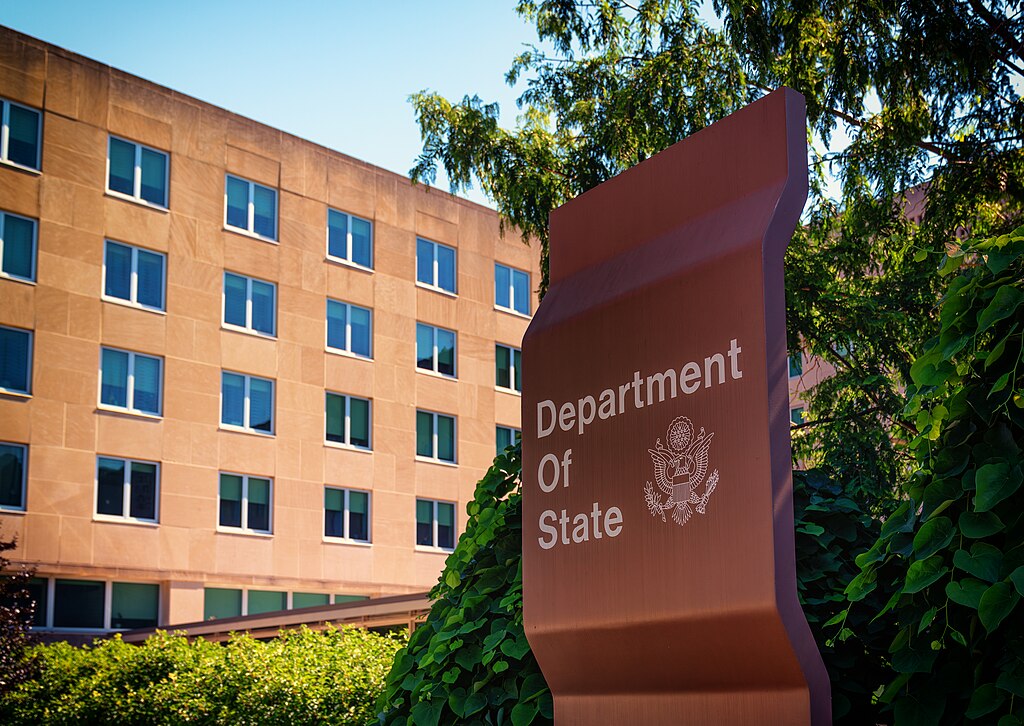
British anti-Islam activist Tommy Robinson visited the U.S. State Department on Wednesday, meeting with at least one American official, according to social media posts and a statement from the department. Robinson, whose real name is Stephen Yaxley-Lennon, shared news of the visit on X, describing it as an opportunity to build “alliances & friendships” in the United States.
A State Department spokesperson confirmed that Robinson toured the department in an unofficial capacity but did not disclose details about the purpose of the visit or who else he met. Joe Rittenhouse, a senior adviser in the Bureau of Consular Affairs, publicly welcomed Robinson, referring to him as a “free speech warrior” in a post on X. Photos shared online showed Robinson inside the historic John Quincy Adams State Drawing Room, a formal diplomatic reception space featuring federal-era artwork and artifacts.
Robinson, 42, is a prominent British nationalist figure and founder of the English Defence League (EDL), a group known for organizing anti-Islam demonstrations. Over the years, he has become one of the United Kingdom’s most visible anti-migration campaigners, including leading a rally in London last September that reportedly drew around 150,000 attendees. He has also faced legal troubles, including a 2013 prison sentence for traveling to the United States using a passport issued in another person’s name.
The visit comes amid ongoing U.S. criticism of the United Kingdom and European governments over freedom of speech policies. In its revised 2024 human rights report, the State Department raised concerns about alleged restrictions on freedom of expression in the UK, citing enforcement of laws that may limit speech and incidents involving antisemitism. U.S. officials have similarly criticized the European Union’s Digital Services Act and the UK’s Online Safety Act, arguing such measures could suppress conservative and anti-immigration viewpoints.
Robinson’s appearance at the State Department highlights broader transatlantic tensions over free speech, online regulation, and the political influence of right-wing movements in Europe and the United States.













