


 Judge Rejects Minnesota Bid to Force ICE Agent Extradition
  Countries Tighten Social Media Bans for Children
  Google Changes EU Spam Policy Amid Antitrust Scrutiny
  Qatar Pushes Iran Diplomacy as Trump Rules Out Talks
  BofA Names ASML Top Semiconductor Equipment Pick on Growth, Valuation
  OpenAI AI Agent Swarm Behind Hugging Face Hack
  Pinterest Stock Falls as CFO Julia Brau Donnelly Resigns
  Nvidia Options Price in $280 Billion Earnings Swing
  Carney’s Trump Tariff Pushback Wins Canadian Support, but Economic Risks Mount
  King Haakon VIII Honors Late Father Harald in First Address
  Alibaba Raises $10.2 Billion to Expand AI Infrastructure
  New Zealand Moves to Ban Social Media for Children Under 16
  PayPal Shares Sink as $50 Billion Takeover Bid Collapses
  Nvidia Pauses AI Cloud Financing Deals Amid Antitrust Concerns
  Australia Pledges $3.6M for Nepal-China Flood Relief
  US Military Uses Laser to Shoot Down Cartel Drones at Mexico Border


 Add as a preferred source on Google
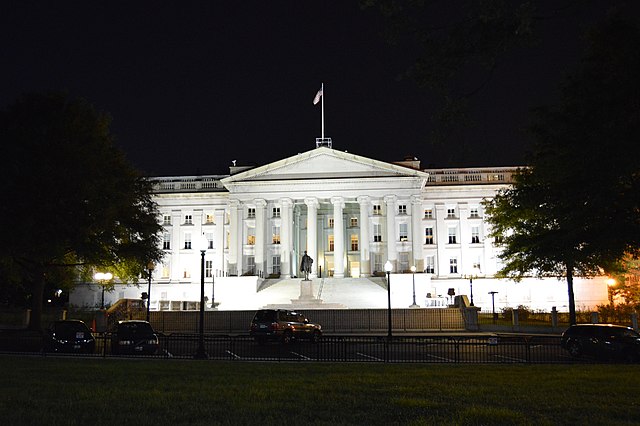
The administration of President Donald Trump has lifted U.S. sanctions on three executives previously linked to the controversial spyware consortium Intellexa, according to a notice published on the U.S. Treasury Department’s website. The decision marks a partial reversal of sanctions imposed last year under former President Joe Biden, which targeted seven individuals associated with the surveillance technology group.
Intellexa, founded by former Israeli intelligence official Tal Dilian, has been described by the U.S. government as a sprawling international network of decentralized companies involved in the development and sale of highly intrusive spyware tools. Chief among these tools is “Predator,” spyware that has been widely criticized for its alleged use against journalists, political figures, and government officials.
According to a U.S. official who spoke anonymously, the sanctions relief followed a standard administrative review process after the affected individuals submitted petitions for reconsideration. The official stated that the three executives demonstrated steps to distance themselves from Intellexa and its operations, which ultimately led to the decision to remove them from the sanctions list.
The individuals no longer sanctioned are Sara Hamou, accused by U.S. authorities of providing managerial services to Intellexa; Andrea Gambazzi, whose company allegedly held distribution rights for the Predator spyware; and Merom Harpaz, identified as a senior executive within the consortium. None of the three, nor their representatives, offered immediate public comment. Tal Dilian, who remains sanctioned, also declined to respond to inquiries.
Intellexa and its Predator spyware have been at the center of international controversy. In Greece, the software has been linked to an alleged surveillance scandal involving journalists and opposition figures. Separately, investigative reports in 2023 claimed that Vietnam attempted to use Intellexa’s tools to target members of the U.S. Congress. Dilian has previously denied wrongdoing in the Greek case and has not publicly addressed the allegations involving U.S. lawmakers.
When the original sanctions were announced in March of last year, the Treasury Department accused Intellexa of facilitating the spread of commercial spyware to authoritarian regimes and enabling covert surveillance against U.S. officials, journalists, and policy experts. While the recent move eases pressure on three individuals, the broader scrutiny of spyware companies and digital surveillance practices remains firmly in place.







