


 Taiwan Coast Guard Conducts Rare Drill on Disputed South China Sea Island
  Israeli Airstrike in Northern Gaza Kills Five Palestinians Amid Fragile Ceasefire
  Iran Tightens Grip on Strait of Hormuz as Oil Prices Surge
  Trump Urges Congress to Expand Access to Full-Spectrum CBD Products in the U.S.
  Navy Secretary John Phelan Fired Amid Pentagon Leadership Shakeup and Shipbuilding Concerns
  Trump Administration Launches Civil Rights Probe into NYC Education Department Over Pro-Palestinian Educators
  RFK Jr. Faces Scrutiny Over David Geier’s HHS Role and Vaccine Review Work
  Florida Governor Ron DeSantis Signs Law Restricting DEI Programs and Climate Initiatives
  U.S. Freezes Dollar Transfers to Iraq, Pressures Government Over Iran-Backed Militias
  U.S. Raises Security Concerns Over Chinese Infrastructure in Argentina Amid Growing Regional Ties
  US Urges Iran to Transfer Enriched Uranium as Ceasefire Talks Continue
  U.S. Intercepts Iranian Oil Tankers in Asian Waters Amid Rising Global Energy Crisis
  Mexico Senate Seeks Answers on Deadly Chihuahua Crash Involving U.S. and Mexican Officials
  U.S. Allows Iran Players in 2026 World Cup but Bars IRGC-Linked Individuals
  US and EU Strengthen Critical Minerals Partnership to Reduce China Dependence
  India-US Trade Talks Advance Toward $500 Billion Goal Amid Ongoing Negotiations
  Trump Plans to Invite Putin to G20 Summit in Miami, Report Says


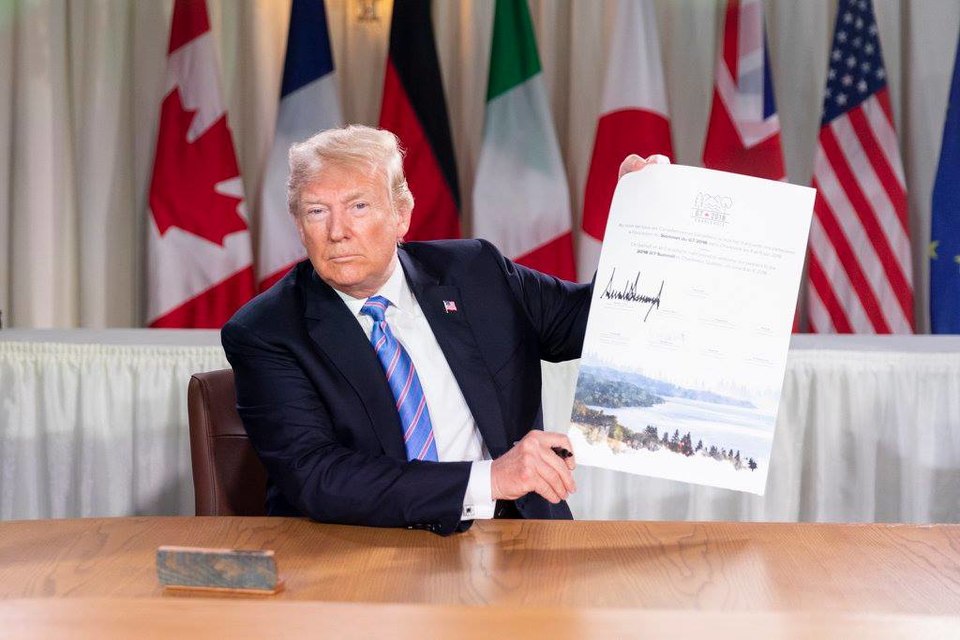
The Trump administration is reportedly weighing a major increase in the U.S. refugee admissions cap to allow more white South Africans, particularly Afrikaners, to resettle in the United States. According to sources familiar with internal discussions, officials are considering raising the current annual refugee limit of 7,500 by an additional 10,000 slots, signaling a significant shift in U.S. immigration policy.
After taking office in January 2025, President Donald Trump suspended most global refugee admissions. Shortly after, he signed an executive order prioritizing Afrikaners, claiming they face race-based persecution in South Africa. However, the South African government strongly denies these allegations. Despite the controversy, the policy has led to a sharp increase in refugee approvals for white South Africans under the U.S. Refugee Admissions Program.
Established in 1980 to assist people fleeing war and persecution, the refugee program has historically supported diverse populations worldwide. Under Trump’s leadership, however, it has largely been limited to Afrikaner applicants. Data from the State Department shows that around 4,500 South Africans were admitted in the first half of the fiscal year, putting the program on track to exceed its current cap. In contrast, only three refugees from other countries were admitted during the same period.
Officials have also discussed potentially expanding eligibility to include religious minorities from Iran and former Soviet states through the Lautenberg program, a long-standing initiative designed to assist persecuted groups.
Despite increased admissions, some South African refugees have chosen to return home. Internal reports indicate that at least four individuals who recently resettled in the U.S. went back due to personal or family-related challenges. Meanwhile, infrastructure upgrades, including new interview facilities in Pretoria, suggest the U.S. is preparing for higher processing volumes.
This evolving immigration strategy highlights ongoing debates over refugee policy, humanitarian priorities, and international relations.







