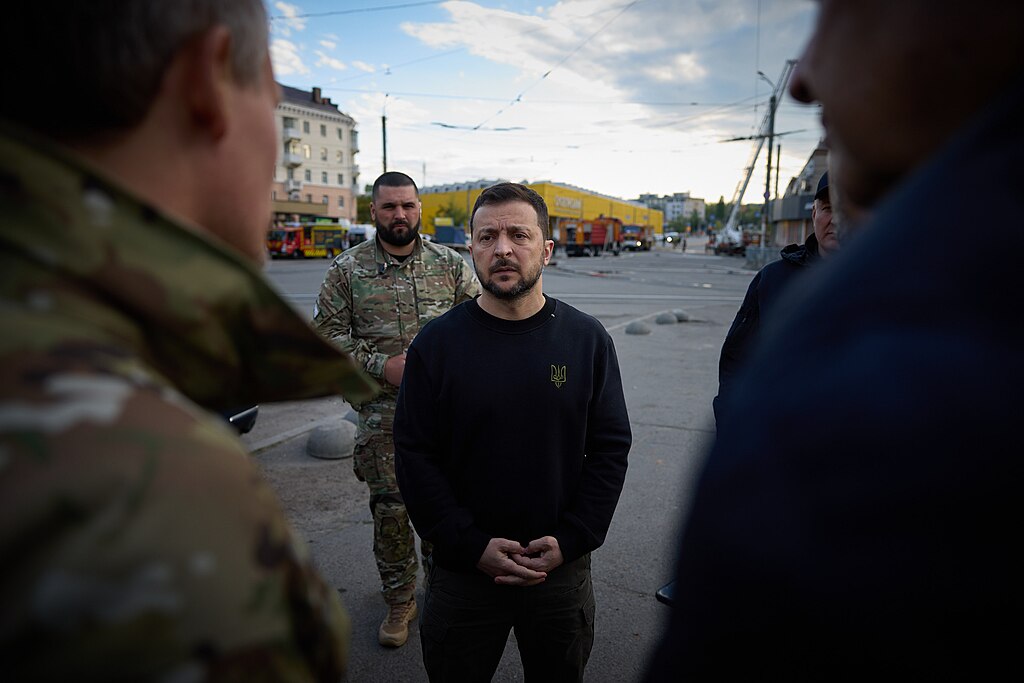
Ukrainian President Volodymyr Zelensky has raised concerns that Ukraine’s access to critical U.S. anti-missile defense systems, particularly Patriot missiles, could be at risk if tensions in the Middle East—especially involving Iran—continue for an extended period. In a recent interview with CNN, Zelensky emphasized that while Ukraine has not yet experienced disruptions in military aid or intelligence sharing from the United States, the global security landscape could impact future supply.
Zelensky explained that Ukraine currently relies on limited shipments of advanced air defense systems due to constrained U.S. production capacity. He highlighted that Kyiv has been able to secure essential military equipment through the PURL program, a NATO-backed initiative that allows allied countries to finance weapons purchases for Ukraine. Through this mechanism, Ukraine has obtained anti-ballistic missiles for its Patriot systems, which remain vital in defending against Russian missile attacks.
However, the Ukrainian leader warned that escalating conflicts in the Middle East could strain global defense resources. With increasing demand for similar missile defense systems, especially if the Iran situation intensifies or prolongs, Ukraine may face heightened risks in maintaining its supply levels. Zelensky noted that the United States has provided only a limited number of these systems, reinforcing concerns about availability if geopolitical tensions rise further.
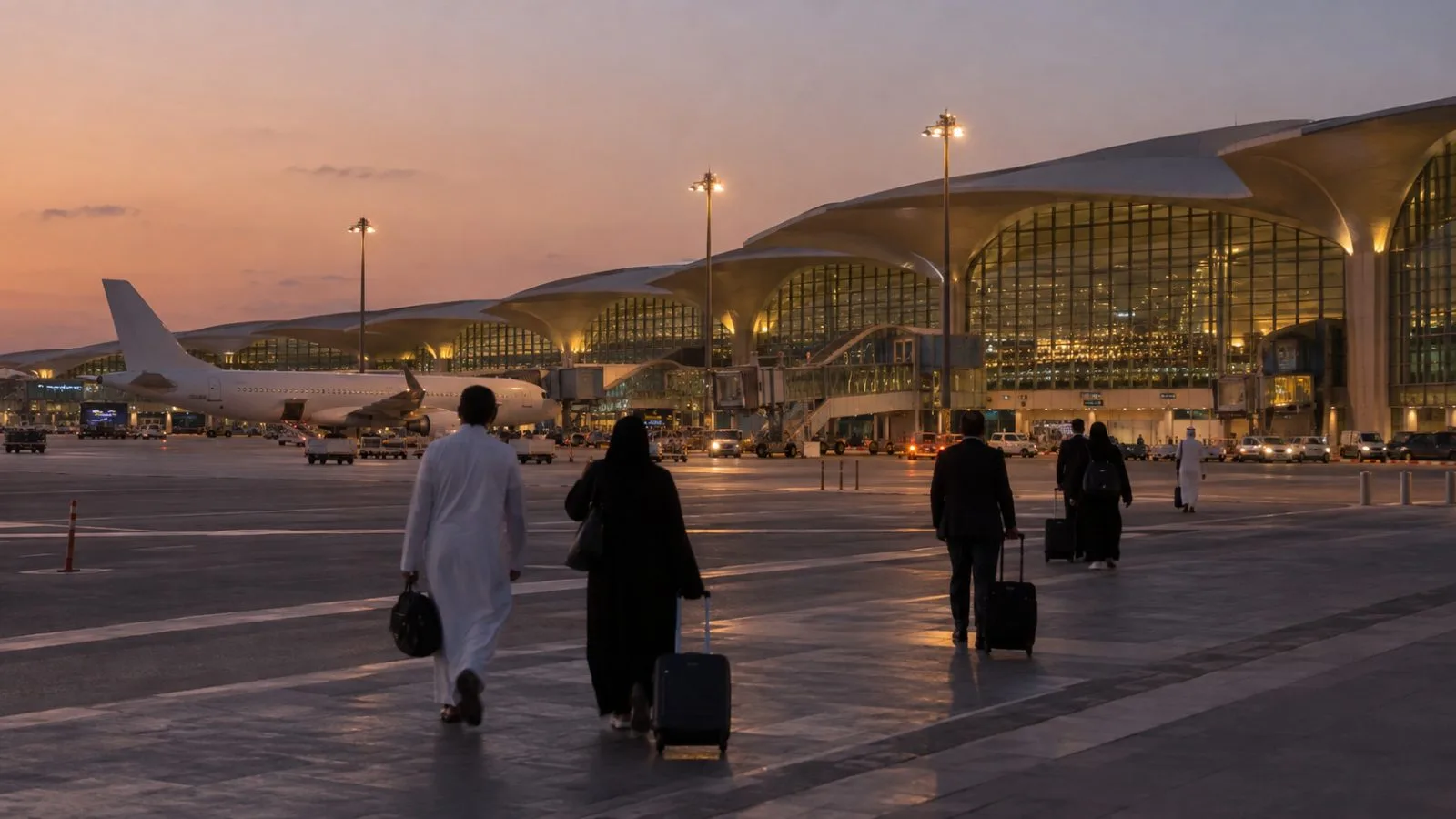
In addition to securing weapons, Ukraine is also expanding its international defense cooperation. Zelensky revealed that Kyiv has signed agreements with Saudi Arabia, Qatar, and the United Arab Emirates to share its expertise in countering drone warfare. Ukraine has developed significant experience in defending against Iranian-designed drones used by Russian forces, positioning itself as a valuable partner for countries facing similar threats.
Zelensky confirmed that Ukraine plans to continue offering training missions and technical knowledge to Middle Eastern nations, strengthening defense ties while showcasing its battlefield experience.