


 Russian Attacks on Dnipro, Zaporizhzhia, and Kharkiv Kill 10 as Ukraine Vows Response
  Canada Grants C$7 Million to Greenland Molybdenum Mine to Strengthen Critical Minerals Supply
  Trump Suspends Some Morocco Fertilizer Tariffs to Ease U.S. Supply Shortage
  Russia Intensifies Assault on Kostiantynivka as Ukraine’s Donetsk Defense Faces Mounting Pressure
  Maria Corina Machado’s Return to Venezuela Faces U.S. Hesitation After Deadly Earthquakes
  US, Iran Agree to Halt Attacks Ahead of Doha Talks on Strait of Hormuz
  Andy Burnham Sets Out Vision to Decentralize Britain as Labour Leadership Race Begins
  Serbia President Aleksandar Vucic to Resign, Calls Early Elections After Months of Protests
  China Expands Export Controls, Adds 20 Japanese Companies to Restricted List
  Russian Attacks Kill Four in Ukraine as Zaporizhzhia and Kharkiv Come Under Fire
  Australia Plans Higher Fines for Social Media Firms Failing to Block Underage Users
  Trump Threatens 100% Tariffs on Countries Imposing Digital Services Taxes on U.S. Tech Firms
  Ukraine Strikes Russian Titan-Barrikady Plant With Long-Range FP-5 Flamingo Missile
  Israeli Airstrike Kills Three in Central Gaza Despite Ceasefire
  Trump Announces September Overhaul of Washington’s East Potomac Golf Links
  Iran Skips U.S. Technical Talks Over Unmet MoU Conditions and Frozen Funds Dispute


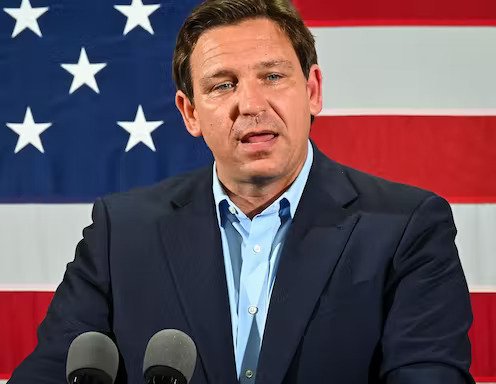
Florida Governor Ron DeSantis has signed a new law that restricts local governments from funding or promoting diversity, equity, and inclusion (DEI) initiatives, marking a significant shift in state policy. The legislation prohibits cities and counties from creating or maintaining DEI offices or programs, while also requiring organizations that receive public funds to certify that those funds will not support DEI-related activities.
DeSantis defended the move by arguing that DEI programs can be discriminatory, particularly toward groups such as white men. He stated that such initiatives may unfairly disadvantage certain demographics, framing the law as a step toward fairness and merit-based systems. This stance aligns with broader Republican efforts at both the state and federal levels to challenge DEI practices, which critics within the party often label as biased or politically motivated.
The law also introduces enforcement measures, including penalties for officials who fail to comply. Supporters believe this will ensure accountability and prevent misuse of taxpayer funds. At the national level, similar efforts have been reinforced by policies from President Donald Trump’s administration, which has taken steps to dismantle DEI programs across federal agencies, government contractors, and universities, even threatening funding cuts over such initiatives.
However, civil rights advocates strongly oppose these measures, arguing that DEI programs play a crucial role in addressing long-standing inequalities affecting women, racial minorities, and the LGBTQ+ community. These programs often include anti-discrimination training, initiatives to close wage gaps, and efforts to improve access and representation for underrepresented groups.
In addition to the DEI restrictions, DeSantis signed another law targeting climate-related initiatives. The measure blocks new taxes, fees, or penalties tied to carbon emissions, further emphasizing the administration’s opposition to environmental regulations it views as economically restrictive.
Critics argue that these combined actions—along with recent policies affecting transgender rights and protest movements—could limit free speech and undermine civil liberties. Meanwhile, Republican leaders continue to frame their approach as a pushback against what they describe as “woke” or “far-left” ideologies, reinforcing an ongoing national debate over the role of government in social and cultural issues.







