


 Israel Weighs Expelling UK Officials From Gaza Coordination Center
  Nvidia Options Price in $280 Billion Earnings Swing
  SEC Clears Path for Data Center Securitizations as AI Financing Demand Surges
  Senate Majority Leader John Thune Moves to Advance Crypto Clarity Act
  Trump Imposes New US Tariffs on Drone Imports Over National Security Concerns
  Nvidia Eyes Perplexity Investment at $30 Billion Valuation
  OpenAI Data Center Chief Chris Malone Exits Ahead of Planned 2027 Listing
  Trump Targets 1,000 U.S. Space Launches Annually by 2030
  Pinterest Stock Falls as CFO Julia Brau Donnelly Resigns
  SoftBank Eyes $20 Billion Bond Sale to Refinance OpenAI Loan
  Meta Agrees to $18 Billion Settlement, Tightens Teen Social Media Rules
  Mojtaba Khamenei’s Absence Fuels Iran Leadership Doubts
  FCC Steps Up China Tech Crackdown as Beijing Pushes Back
  Street Poller Media and The Boom of the Street Interview Ad Industry
  Google Expands Gemini Enterprise With AI Tools for Legal Sector
  SK Biopharmaceuticals Secures Global Rights to Biohaven Epilepsy Drug Opakalim
  Prince Harry and Meghan Return to Britain With Children After Six Years in U.S.


 Add as a preferred source on Google
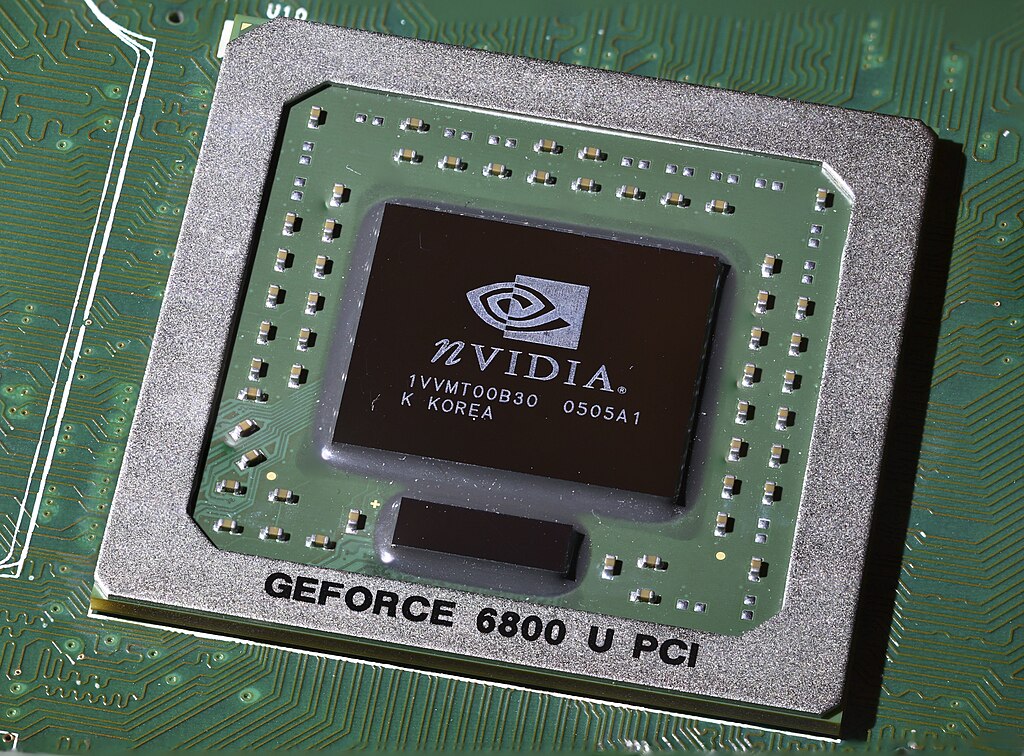
The Trump administration has officially approved the sale of Nvidia’s H200 artificial intelligence chips to China, marking a major shift in U.S. export policy and reigniting debate over national security and global AI competition. The decision allows shipments of Nvidia’s second most powerful AI chips to Chinese customers, but only under newly established regulatory conditions designed to limit potential risks.
Under the new rules, all China-bound H200 chips must undergo review by a third-party testing laboratory to verify their AI capabilities before export approval. Additionally, China will be restricted to receiving no more than 50% of the total number of H200 chips sold to U.S. customers. Nvidia is also required to certify that sufficient chip supply remains available within the United States, while Chinese buyers must demonstrate adequate security safeguards and formally commit to not using the chips for military or defense-related purposes. These conditions had not existed in earlier export frameworks.
The announcement follows President Donald Trump’s statement last month that the U.S. would allow the chip exports in exchange for a 25% fee paid to the federal government. The move drew criticism from lawmakers and national security experts who argue that advanced AI chips like the H200 could significantly enhance China’s military and artificial intelligence capabilities, potentially narrowing the U.S. technological edge.
Industry analysts note that while the export caps appear to be a compromise, enforcing them may prove difficult. Chinese companies have reportedly placed orders for more than two million H200 chips, far exceeding Nvidia’s current inventory of approximately 700,000 units. Each chip is priced around $27,000, highlighting the scale of demand and the financial stakes involved.
Nvidia CEO Jensen Huang recently stated that production of H200 chips is ramping up amid strong global demand, including from China, which has driven up cloud computing rental prices for the chips. Supporters within the administration argue that allowing controlled exports could discourage Chinese firms, such as Huawei, from accelerating development of rival advanced chip technologies.
Despite assurances that the exports will proceed under conditions that protect U.S. national security, questions remain about enforcement, long-term policy consistency, and whether China will impose its own restrictions on domestic use. The decision underscores the growing tension between economic interests, AI leadership, and geopolitical strategy in the global semiconductor market.







