


 Trump Inspects Lincoln Memorial Reflecting Pool Renovation in Washington
  Trump Administration Releases New UFO Files and Apollo Mission Records
  TikTok Nears $400 Million Settlement With Trump Administration Over Child Privacy Lawsuit
  Australia Launches Public Hearings on Bondi Beach Shooting and Rising Antisemitism
  U.S. Budget Airlines Seek $2.5 Billion Government Aid Amid Rising Jet Fuel Costs
  Trump Reportedly Approves Plan to Remove FDA Commissioner Marty Makary Amid Growing Controversies
  Qatar LNG Tanker Crosses Strait of Hormuz Amid Iran War Tensions
  US House Advances $70 Billion Immigration Enforcement Budget Plan
  Russian LNG Shadow Fleet Expands Amid Arctic LNG 2 Sanctions
  Lula and Trump Talks Signal New Phase in Brazil-US Relations
  Federal and State Authorities Conduct Widespread Fraud Raids Across Minnesota
  FEMA Reinstates Employees After Dissent Letter, Signaling Shift in Workforce Stability
  Russia Accuses Ukraine of Ceasefire Violations Amid Drone and Artillery Attacks
  Australia’s Wealthy Donors Shift Support to One Nation Amid Conservative Party Decline
  Asian Stocks Slide as Iran Tensions Escalate Despite Strong Weekly Gains
  Ghana Rejects U.S. Health Deal Over Data Sharing Concerns Amid Foreign Aid Shift
  Japan Tech Stocks Surge as AI Optimism Lifts SoftBank, Chipmakers


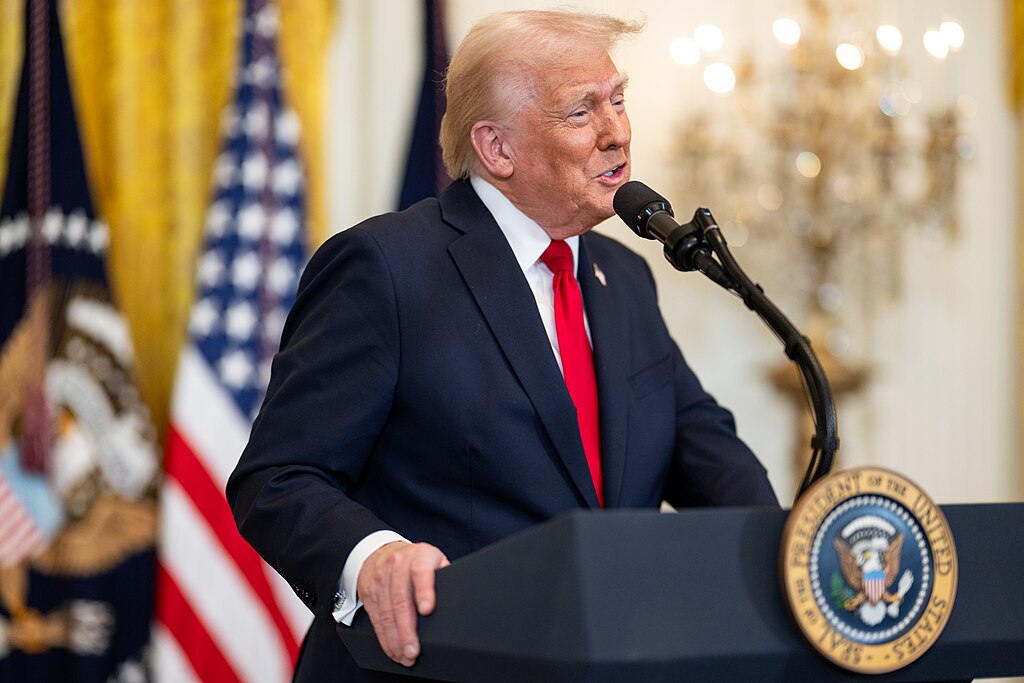
The U.S. Congressional Budget Office (CBO) cautioned that President Trump's proposed 2026 federal budget—featuring deep cuts to scientific research—could significantly hinder the introduction of new drugs. The plan suggests slashing National Institutes of Health (NIH) funding by a staggering $18 billion, a roughly 40% reduction. According to the CBO, a modest 10% decrease in NIH-preclinical research funding would shrink the pipeline of phase 1 drug candidates by one in the first decade, nine in the second, and about twenty in the third, ultimately reducing new drug approvals by 4.5%, equating to around two fewer drugs per year.
Preclinical research represents the earliest phase of discovery, meaning the full effects of NIH funding cuts would emerge gradually over decades. Although the CBO did not quantify the impact of trimming clinical-trial budgets, it warned that such cuts would accelerate the drop in new drug approvals.
In addition, Democrats asked the CBO to model the outcomes of deeper NIH cuts—between 35% and 38%—but the agency said historical data was insufficient for reliable estimates. The CBO is updating its drug development model to analyze these larger budget scenarios further.
Another concern highlighted was delays at the U.S. Food and Drug Administration (FDA). Following mass layoffs that removed 3,500 employees (some positions have since been restored), the Trump administration proposed reducing the FDA’s 2026 budget to $6.8 billion—a 5.5% decrease. The CBO found that if FDA review times for new drug applications were extended by nine months, the U.S. could see three fewer drugs approved in the first decade, and ten fewer in both the second and third decades. The agency noted that delays could have additional ramifications beyond its current analysis.
Overall, the CBO’s report underscores the potential long-term consequences of significant NIH and FDA funding reductions on American innovation and public health.







