


 Office design isn’t keeping up with post-COVID work styles - here’s what workers really want
  Infineon Raises 2026 Outlook as AI Data Center Chip Demand Surges
  Dell Stock Hits Record High After Trump Endorsement, AI Server Demand Fuels Rally
  Heritage, desire and diplomacy: why China still values scotch whisky
  JD Sports Backs Nike CEO Elliott Hill Amid Brand Turnaround Efforts
  AI-Driven Inflation Raises U.S. Consumer Prices, Goldman Sachs Says
  Shell Q1 Profit Surges to Two-Year High as Dividend Rises Despite War-Driven Debt Pressure
  Yes, government influences wages – but not just in the way you might think
  Lufthansa Q1 Loss Narrows as Strong Summer Travel Demand Boosts Outlook
  OCBC Q1 Profit Rises 5% on Strong Wealth Management and Non-Interest Income
  Time to buy local: war fuel price shocks reveal the folly of a long food supply chain
  BMW Keeps 2026 Outlook Despite 25% Profit Drop Amid Tariff Pressure
  Armani Group Eyes Strategic Stake Sale to Luxury Giants
  Disaster or digital spectacle? The dangers of using floods to create social media content
  Glastonbury is as popular than ever, but complaints about the lineup reveal its generational challenge


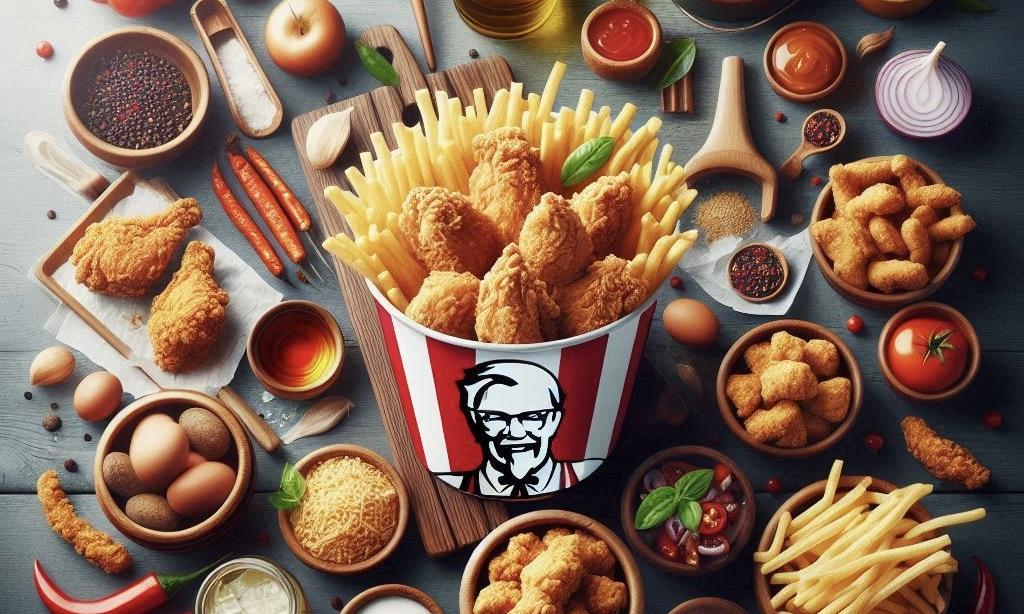
KFC switched to low-linolenic soybean oil in 2007, improving the health profile of its fried chicken. This change eliminated trans fats while preserving the iconic flavor, making it a healthier and environmentally conscious choice for frying.
KFC’s Switch to Low-Linolenic Soybean Oil: A Key Ingredient in Perfecting Fried Chicken
It's no secret that KFC's signature herbs-and-spices blend plays a big part in the deliciousness of its fried chicken. However, what may surprise some is the significant role that frying oil also plays in the quality of the chicken. In 2007, KFC made a notable change, switching from partially hydrogenated vegetable oil to low-linolenic soybean oil (LLSO). This decision came after two years of extensive product research, where various oils were tested to determine the best combination of flavor and consistency.
The switch was part of Yum Brands' broader effort to reduce trans fats across its menu, addressing growing health concerns. This move also preempted a 2020 U.S. deadline that required food manufacturers to eliminate partially hydrogenated oils, effectively banning trans fats. During the early 2000s, trans fats became a significant public health issue, with experts advocating for their removal due to their dangerous health effects.
Despite facing challenges in the fast-food market due to increased competition, KFC’s choice of frying oil remains solid. Low-linolenic soybean oil is highly regarded for its suitability in frying and holds up well against other cooking fats.
Not all oils are created equal, and the choice of oil can significantly impact the outcome of fried foods. Olive oil, for example, has a distinct flavor that stands out, while vegetable oil is neutral and versatile. Canola oil, also neutral, has the added benefit of being lower in saturated fats. Peanut oil, popular in frying due to its high smoke point, imparts a nutty flavor but is prone to rancid when exposed to light or humidity.
KFC's Use of Low-Linolenic Soybean Oil Boosts Flavor, Sustainability, and Reduces Carbon Footprint
Soybean oil, another neutral option, excels in high-heat cooking, like deep-frying, because it doesn't interfere with the taste of sweet or savory foods. It’s also known for its stability and longer shelf life. Low-linolenic soybean oil, in particular, is prized because it contains no trans fats. This is thanks to a modification in the soybeans used to produce it, which replaces linolenic acid with oleic acid. Although soybean oil tends to be pricier, by 2023, it had become the most consumed oil in the U.S., suggesting that KFC was ahead of the trend when it adopted LLSO in 2007.
Another benefit of KFC’s use of LLSO is seen in the U.K., where the chain repurposes its used frying oil to create biodiesel. This initiative helps reduce KFC’s carbon footprint by fueling its delivery fleet, making it a win-win for the company and the environment.







