


 Infineon Raises 2026 Outlook as AI Data Center Chip Demand Surges
  Nike Tariff Refund Lawsuit Sparks Consumer Backlash Over Price Increases
  Lufthansa Q1 Loss Narrows as Strong Summer Travel Demand Boosts Outlook
  Can your cat recognise you by scent? New study shows it’s likely
  UOB Q1 Profit Meets Expectations as Loan Growth Offsets Lower Interest Rates
  Shell Q1 Profit Surges to Two-Year High as Dividend Rises Despite War-Driven Debt Pressure
  AI is driving down the price of knowledge – universities have to rethink what they offer
  Booked to travel through the Middle East? Here’s why you shouldn’t cancel your flight
  The Beauty Beneath the Expressway: A Journey from Self to Service
  Columbia Student Mahmoud Khalil Fights Arrest as Deportation Case Moves to New Jersey
  Heritage, desire and diplomacy: why China still values scotch whisky
  Disaster or digital spectacle? The dangers of using floods to create social media content
  Armani Group Eyes Strategic Stake Sale to Luxury Giants
  Debate over H-1B visas shines spotlight on US tech worker shortages
  Britain has almost 1 million young people not in work or education – here’s what evidence shows can change that
  How to support someone who is grieving: five research-backed strategies


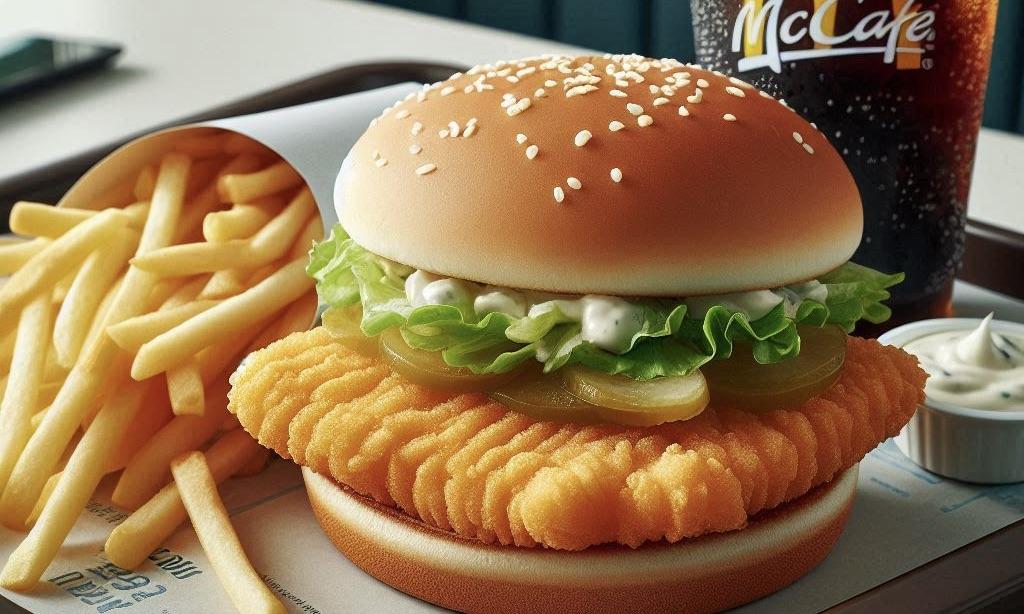
McDonald’s Filet-O-Fish sandwich features wild-caught Alaska Pollock, known for its sustainability and mild, flaky texture. The fish is sourced from the waters around Alaska, reflecting the fast-food giant’s commitment to using sustainable ingredients in its iconic sandwich.
McDonald’s Filet-O-Fish Features Sustainable Alaska Pollock, Highlighting a Commitment to Responsible Sourcing
McDonald’s Filet-O-Fish sandwich, beloved by many, is celebrated for its simple yet satisfying combination of crispy white fish, cheese, and a soft bun. The Filet-O-Fish holds a unique appeal even for those who aren’t avid fish sandwich fans. But have you ever wondered what kind of fish is inside? You’re not alone, and the answer is surprisingly good news: McDonald’s not only sources sustainable fish but also uses one of Alaska’s most abundant resources.
The fish in the Filet-O-Fish is Alaska Pollock, wild-caught from the waters around Alaska and the Bering Sea. This choice reflects McDonald’s commitment to sustainability. Alaska Pollock is managed by strict regulations, making it one of the most sustainable fish populations, with minimal risk of overfishing and low bycatch (unintended capture of other species). This ensures that the fish in your sandwich was thriving in the ocean not long before it was cooked and served.
Interestingly, the Filet-O-Fish could have been made with a different type of fish. Originally, McDonald’sconsidered halibut, and for about 50 years, the sandwich was made with cod. However, it features Alaska Pollock, a fish praised not only for its sustainability but also for its nutritional value.
McDonald’s sells an impressive 300 million Filet-O-Fish sandwiches annually. Given this volume, the company’s dedication to using sustainable fish is a significant achievement. In 2013, McDonald’s began displaying the blue fish label of the Marine Stewardship Council (MSC), making it the only national U.S. restaurant to earn this distinction. This certification highlights the responsible practices employed from sea to sandwich.
From Halibut to Pollock: How the Filet-O-Fish Became a Sustainable and Flavorful Favorite
The Filet-O-Fish was created by franchise owner Lou Groen, who sought a meat-free option to attract Cincinnati’s Catholic population during Lent. The sandwich was a hit, saving Groen’s franchise and helping him expand to 43 more locations. While Groen believed his original halibut version was superior to the cod-based Filet-O-Fish that followed, the switch to Alaska Pollock has proven an intelligent choice for sustainability and flavor.
Alaska Pollock, known for its mild taste, flaky texture, and rich omega-3 content, is frozen at sea, ensuring a fresh product when it reaches McDonald’s kitchens. It’s also one of the most popular fish in the U.S., found in the Filet-O-Fish and various other dishes, including Alaska Pollock gratin. This combination of sustainability, flavor, and nutrition makes Alaska Pollock the perfect choice for McDonald’s iconic sandwich.







