


 Apple Expands iPhone Lineup, Boosts Foldable iPhone Production Plans Through 2027
  Fortescue Faces Class Action Over Sexual Harassment Claims at Australian Mining Sites
  Tesla Q2 Deliveries Lift Chinese Auto Suppliers as EV Demand Improves
  Samsung to Invest $90 Billion in South Korea to Expand AI Chip, Display, and Battery Production
  Sara Duterte Impeachment Trial Opens, Putting 2028 Philippine Election in Focus
  easyJet Agrees in Principle to £5.23 Billion Castlelake Takeover Offer
  Meta CEO Zuckerberg Says AI Agent Development Has Slowed Despite Massive AI Investment
  DOJ Clears Paramount Skydance-Warner Bros. Discovery Merger Without Conditions
  Chinese Copper Foil Maker Londian Files U.S. IPO as EV Battery Demand Grows
  US Appeals Court Limits ICE Detention Without Bond Hearings After 90 Days
  Meta Cloud Ambitions Could Challenge AWS, Azure, and Google Cloud, Says Morgan Stanley
  TetherMax Rebranding Highlights Official Exchange Partnerships as Foundation of Trust
  Sodexo Raises 2026 Revenue Outlook After Strong Q3 Sales Beat
  Trump Orders DOJ Investigation Into Exxon, Chevron Over High Gas Prices
  Trump Threatens ABC News Lawsuit Over Lincoln Memorial Reflecting Pool Coverage
  In a rebuke to Trump, the Supreme Court rules that birthright citizenship is the law of the land


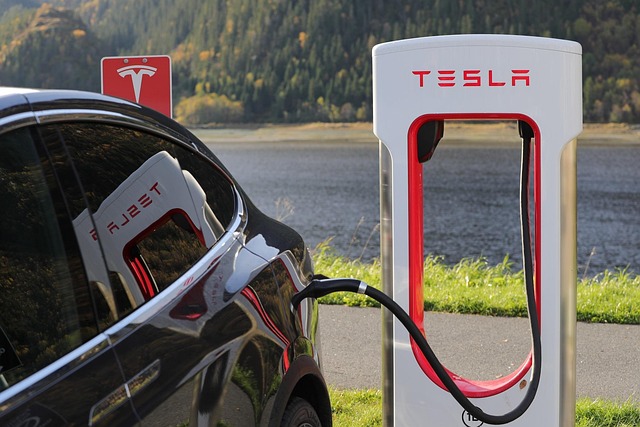
Tesla (NASDAQ: TSLA) has amended its bylaws to block shareholders owning less than 3% of the company’s stock from filing derivative lawsuits against its directors or officers. The update, disclosed in a recent SEC filing, comes after a new Texas law allows corporations to impose such thresholds to limit what it calls “abusive shareholder litigation.”
Under the new rule, Tesla shareholders would need to hold approximately 97 million shares—worth around $34 billion based on Friday’s closing price—to sue executives on the company's behalf. This marks a dramatic shift from when Tesla was incorporated in Delaware, which had no such ownership requirement for derivative lawsuits.
The move follows the high-profile 2018 lawsuit filed by Richard Tornetta, who held just nine shares when he challenged Tesla CEO Elon Musk’s $56 billion compensation package. A Delaware judge later sided with Tornetta in 2024, invalidating Musk’s pay plan on the grounds that it was unfair to shareholders. Musk has since appealed the ruling in an effort to reinstate the package.
Tesla’s reincorporation in Texas and the recent bylaw amendment appear aimed at preventing similar lawsuits in the future. The new Texas statute enables firms to enforce up to a 3% ownership requirement for such legal actions, significantly raising the bar for shareholder activism.
This legal change could impact future attempts by minority shareholders to hold company leadership accountable, sparking debate over corporate governance and shareholder rights.
By implementing this new policy, Tesla aligns itself with companies seeking to reduce legal exposure while raising questions about shareholder access to justice. As scrutiny over executive compensation and corporate oversight grows, Tesla’s latest move may set a precedent for other firms evaluating similar restrictions.







