


 US Pushes Ukraine-Russia Peace Talks Before Summer Amid Escalating Attacks
  Trump Allows Commercial Fishing in Protected New England Waters
  U.S.-India Trade Framework Signals Major Shift in Tariffs, Energy, and Supply Chains
  Trump’s Inflation Claims Clash With Voters’ Cost-of-Living Reality
  China Warns US Arms Sales to Taiwan Could Disrupt Trump’s Planned Visit
  Japan Election 2026: Sanae Takaichi Poised for Landslide Win Despite Record Snowfall
  Netanyahu to Meet Trump in Washington as Iran Nuclear Talks Intensify
  Federal Judge Restores Funding for Gateway Rail Tunnel Project
  Trump Backs Nexstar–Tegna Merger Amid Shifting U.S. Media Landscape
  Trump Lifts 25% Tariff on Indian Goods in Strategic U.S.–India Trade and Energy Deal
  Israel Approves West Bank Measures Expanding Settler Land Access
  Trump Congratulates Japan’s First Female Prime Minister Sanae Takaichi After Historic Election Victory
  Nicaragua Ends Visa-Free Entry for Cubans, Disrupting Key Migration Route to the U.S.
  Pentagon Ends Military Education Programs With Harvard University
  Jack Lang Resigns as Head of Arab World Institute Amid Epstein Controversy
  TrumpRx.gov Highlights GLP-1 Drug Discounts but Offers Limited Savings for Most Americans
  Bosnian Serb Presidential Rerun Confirms Victory for Dodik Ally Amid Allegations of Irregularities


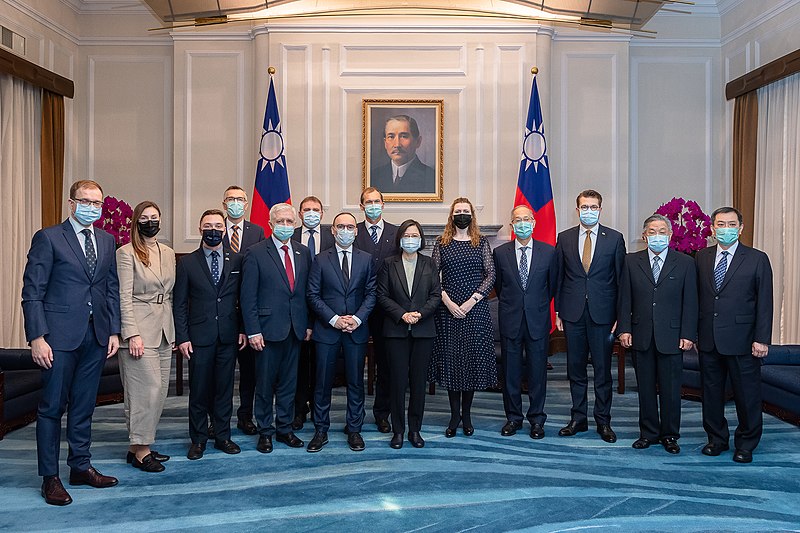
Taiwan has announced the start of operations of Lithuania’s office in Taipei this week. The opening of the Lithuanian office in the island’s capital comes amidst tensions with China.
Senior Taiwanese diplomat Remus Chen of the foreign ministry’s department of European Affairs told reporters Tuesday that Lithuania’s office in Taipei has opened and started its operations.
The new representative, Paulius Lukauskas, arrived earlier this month and formally applied for accreditation Monday. Chen added that the Lithuanian office was essentially now operational, but office equipment is still being installed.
This comes as China retaliated against Lithuania by downgrading diplomatic relations between the two countries while pressuring others to sever ties with Lithuania after it allowed the island nation to open a de facto embassy in the country. China has repeatedly opposed Lithuania’s engagement with the island nation, which Beijing claims as its territory.
Beijing said Taiwan is one of its provinces with no right to the features of a state. Taiwan’s democratic government has also strongly rejected China’s claims of control over the island.
Back in August, China sanctioned Lithuanian deputy transport and communications minister Agne Vaiciukeviciute for visiting Taiwan. Beijing has also opposed visits by other foreign governments to the island nation, which has since increased following the visit by US House Speaker Nancy Pelosi in the same month.
Taiwan has strong bipartisan support in the US Congress. The United States is legally bound by treaty to provide the island nation with arms.
Reuters reports that Washington is considering sanctioning China as it considers options for a sanctions package for Beijing to deter it from potentially invading Taiwan, according to sources familiar with the matter. The European Union is also facing pressure from Taiwan to do the same.
According to the sources, the discussions being lobbied by envoys of Washington and Taipei to the bloc were both at an early stage amidst fears of a potential military invasion of Taiwan by China.
Both discussions were about taking sanctions beyond the measures that the West has already made to restrict some trade and investment with China surrounding sensitive technologies such as chips and telecommunications equipment.













