


 Trump DOJ Challenges Colorado’s Large-Capacity Magazine Ban in Second Amendment Lawsuit
  Mexico President Claudia Sheinbaum Reconsiders Early School Closure Plan Ahead of 2026 World Cup
  US-Iran Ceasefire Under Pressure as Fresh Strait of Hormuz Clashes Shake Oil Markets
  Russian LNG Shadow Fleet Expands Amid Arctic LNG 2 Sanctions
  Australia’s Wealthy Donors Shift Support to One Nation Amid Conservative Party Decline
  Trump Invites Top CEOs Including Nvidia, Apple, Boeing to China Summit With Xi Jinping
  Trump Administration Releases New UFO Files and Apollo Mission Records
  Bolsonaro Discharged After Shoulder Surgery Amid Ongoing Legal Troubles
  Justice Jackson Slams Supreme Court's Growing Use of Shadow Docket
  Trump-Xi Beijing Summit to Focus on Trade, Taiwan, and Boeing Deal
  Trump Administration Files Fraud Charges Against Southern Poverty Law Center Over Informant Payments
  Judge Orders Release of Family After Longest ICE Detention Under Trump Administration
  TikTok Nears $400 Million Settlement With Trump Administration Over Child Privacy Lawsuit
  Israel’s Secret Iraq Base Allegedly Supported Iran Air Campaign, WSJ Reports
  Supreme Court Asked to Reinstate Mail-Order Access to Abortion Pill Mifepristone
  Pope Leo Calls for Peace as Vatican Seeks Better Ties With U.S.
  Florida Launches Criminal Probe Into OpenAI Over FSU Shooting Incident


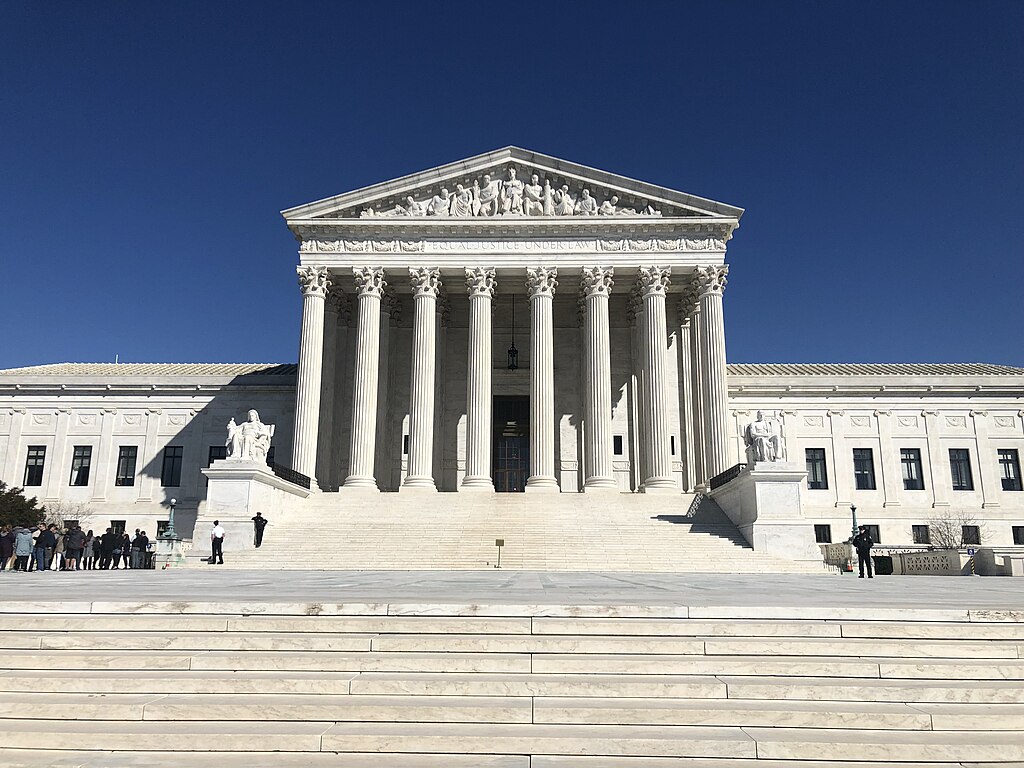
The U.S. Supreme Court appears inclined to uphold Tennessee's ban on gender-affirming medical treatments for transgender minors, a decision that could significantly impact similar laws nationwide.
Legal Context and Arguments
Tennessee's law, known as SB1, prohibits puberty blockers, hormone therapy, and gender-affirming surgeries for individuals under 18. The state argues that these measures protect minors from making irreversible decisions at a young age. During recent oral arguments, some justices suggested that such policy decisions are best left to elected lawmakers rather than the judiciary.
Conversely, challengers, including the Biden administration and families of transgender minors, contend that the ban violates the Equal Protection Clause of the 14th Amendment. They assert that denying access to gender-affirming care discriminates based on sex and gender identity, causing undue harm to transgender youth.
Potential Nationwide Impact
A ruling in favor of Tennessee could validate similar bans in over 25 states, potentially restricting access to gender-affirming care across the country. Legal experts warn that such a decision might undermine established precedents concerning sex-based discrimination, affecting not only transgender individuals but also broader anti-discrimination protections.
Public Reaction
The case has ignited a spectrum of reactions on social media:
-
@TransRightsNow: "Upholding this ban would set a dangerous precedent for transgender rights nationwide."
-
@ParentAdvocate: "Parents, not the government, should decide what's best for their children's health."
-
@LegalEagle: "This case could redefine the judiciary's role in safeguarding minority rights against majority rule."
-
@HealthEquity: "Access to medically necessary care shouldn't be subject to political whims."
-
@YouthVoice: "Trans youth deserve support and affirmation, not legal barriers to their well-being."
-
@PolicyWatcher: "The Court's decision will have lasting implications for healthcare policy and civil rights."
Looking Ahead
The Supreme Court's decision, expected by June 2025, will have profound implications for transgender rights and healthcare access in the United States. As the nation awaits the outcome, the case underscores the ongoing debate over the balance between state authority and individual rights in the realm of medical care.







