


 Trump Inspects Lincoln Memorial Reflecting Pool Renovation in Washington
  Russian LNG Shadow Fleet Expands Amid Arctic LNG 2 Sanctions
  Mexico President Claudia Sheinbaum Reconsiders Early School Closure Plan Ahead of 2026 World Cup
  Trump Announces Russia-Ukraine Ceasefire for May 9-11 Amid Ongoing Peace Talks
  Judge Rules DOGE Humanities Grant Cuts Unconstitutional
  Israeli Strikes in Gaza Kill Three as Ceasefire Tensions Continue
  Rubio Presses Italy Over Iran Support as Tensions Test U.S.-Italy Alliance
  Malaysia Unveils Energy Security Plan Amid Iran Conflict and Rising Oil Costs
  U.S., South Korea Launch Shipbuilding Partnership Initiative
  U.S.-China Beef Trade Deal Hopes Rise Ahead of Trump-Xi Summit
  Trump Administration Releases New UFO Files and Apollo Mission Records
  Australia’s Wealthy Donors Shift Support to One Nation Amid Conservative Party Decline
  Russia Accuses Ukraine of Ceasefire Violations Amid Drone and Artillery Attacks
  Qatar LNG Tanker Crosses Strait of Hormuz Amid Iran War Tensions
  Lula and Trump Talks Signal New Phase in Brazil-US Relations
  Germany Rejects Putin’s Proposal for Schroeder to Mediate Ukraine Peace Talks
  Pope Leo Calls for Peace as Vatican Seeks Better Ties With U.S.


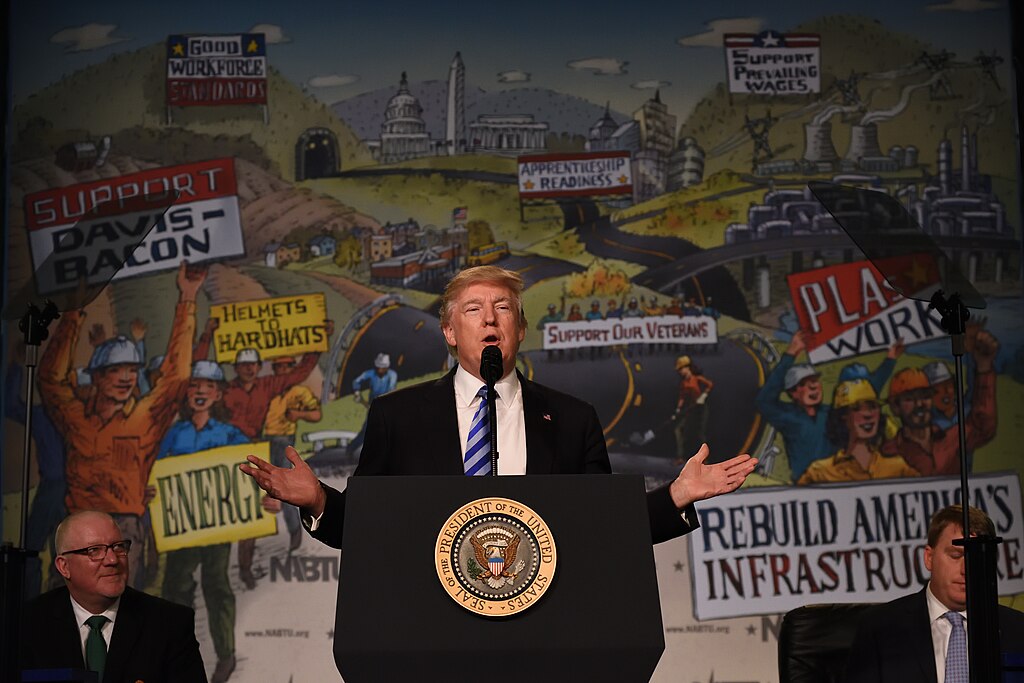
President-elect Donald Trump has articulated a comprehensive approach to cryptocurrency mining regulations set to take effect in 2025. His strategy emphasizes bolstering the domestic crypto industry while implementing measures to ensure financial stability and security.
Encouraging Domestic Cryptocurrency Mining
A cornerstone of Trump's policy is to position the United States as a global leader in Bitcoin mining. He aims to achieve this by offering incentives to domestic mining operations, including tax breaks and access to affordable energy resources. This initiative seeks to increase the nation's share of global Bitcoin production, thereby enhancing economic growth and technological innovation.
Establishing a Strategic Bitcoin Reserve
In a move to integrate digital assets into national financial strategies, Trump plans to create a strategic Bitcoin reserve. This reserve would involve the U.S. government accumulating a significant amount of Bitcoin over a specified period. The objective is to leverage these assets to strengthen the national economy and hedge against potential financial uncertainties.
Implementing Regulatory Oversight
While promoting the growth of the cryptocurrency sector, the administration intends to enforce regulations to address concerns related to fraud, national security, and financial stability. This includes imposing stricter Know Your Customer (KYC) and Anti-Money Laundering (AML) requirements on cryptocurrency exchanges and mandating federal registration for digital wallet providers. The goal is to create a secure environment for investors and prevent illicit activities within the crypto space.
Public Reactions
The proposed policies have elicited varied responses from the public:
-
@CryptoEnthusiast: "Encouraging domestic mining is a step forward, but regulatory clarity is crucial for sustainable growth."
-
@FinancialAnalyst: "A strategic Bitcoin reserve could stabilize the economy, but market volatility remains a concern."
-
@TechInvestor: "Incentives for mining operations may boost innovation, yet environmental impacts must be addressed."
-
@PolicyCritic: "Stricter regulations are necessary to prevent fraud, but they should not stifle industry advancement."
-
@EconomistView: "Integrating digital assets into national reserves is innovative, but requires careful risk assessment."
-
@LegalAdvisor: "Enhanced KYC and AML measures are vital for security, but implementation must balance privacy rights."
Conclusion
President-elect Trump's stance on cryptocurrency mining regulations reflects a dual approach: fostering industry growth through supportive policies and ensuring financial integrity via regulatory oversight. As these measures unfold, their impact on the U.S. crypto landscape will be closely monitored by stakeholders across the financial and technological sectors.







