


 Israel Cabinet Rejects Supreme Court Ruling, Sparking Constitutional Crisis Fears
  Apple Challenges India Antitrust Probe, Says CCI Copied Rivals’ Claims in App Store Case
  Sara Duterte Impeachment Trial Opens, Putting 2028 Philippine Election in Focus
  Trump Orders DOJ Investigation Into Exxon, Chevron Over High Gas Prices
  US Appeals Court Limits ICE Detention Without Bond Hearings After 90 Days
  US Supreme Court Strikes Down Hawaii Gun Carry Law on Private Property
  Brazil Supreme Court Convicts Eduardo Bolsonaro Over U.S. Lobbying Efforts
  Massive Funeral Procession for Ayatollah Ali Khamenei Draws Huge Crowds in Tehran
  Iran Holds State Funeral for Ali Khamenei as Security Fears Shape Succession
  FIFA Suspends Balogun Ban, Clears U.S. Striker for Belgium World Cup Clash
  Zelenskiy Urges Trump’s Support to Help End Russia-Ukraine War
  DOJ Seeks Dismissal of Fraud Charges Against Gautam Adani in U.S. Court
  Russia Strikes Kyiv as Ukraine Faces Patriot Missile Shortage Before NATO Summit
  Burgum Defends Free Speech as Patriot Front July 4 March Sparks Debate
  US Egg Producers Settle Price Manipulation Probe, Agree to Pay $3.3 Million and Donate 53 Million Eggs
  Australia Sues Amazon Over Prime Video Ads and Subscription Terms


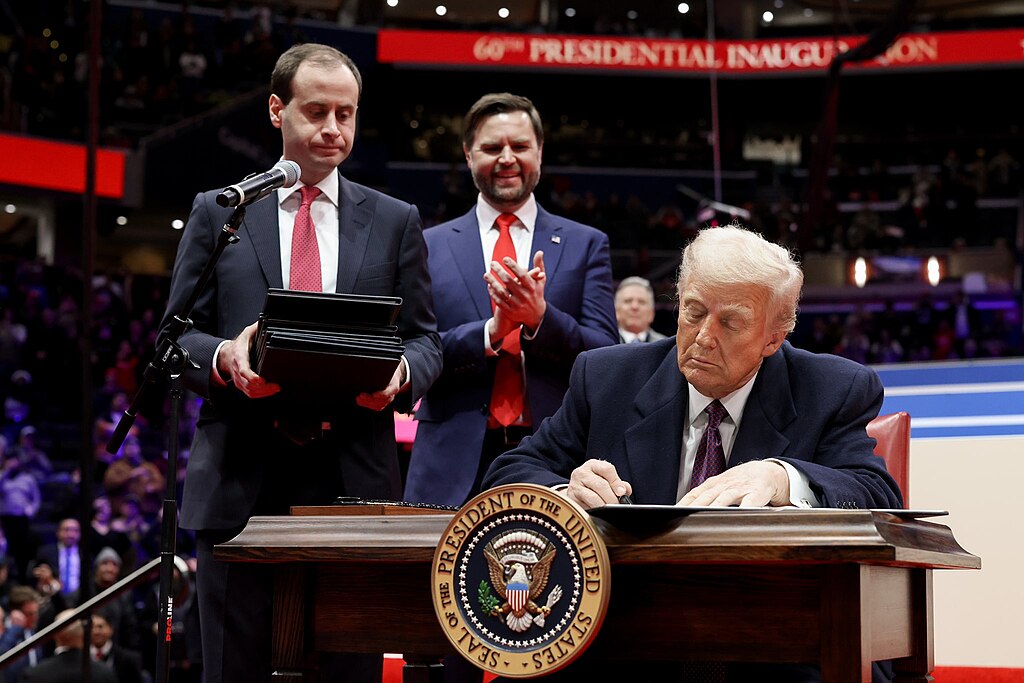
The U.S. Supreme Court handed President Donald Trump another major legal victory, curbing the ability of federal judges to issue nationwide injunctions. In a 6-3 ruling split along ideological lines, the court limited lower courts to granting relief only to the plaintiffs in a given case. The decision, written by Justice Amy Coney Barrett, strengthens executive authority and may ease Trump’s efforts to implement controversial policies.
The ruling came in response to Trump’s January executive order restricting birthright citizenship, which had been blocked by multiple universal injunctions. While the court didn’t greenlight the policy immediately, it instructed lower courts to reassess the breadth of the injunctions.
Legal experts say the ruling weakens judicial checks on presidential power. Paul Rosenzweig, a former Bush administration lawyer, called it a systematic shift toward greater executive discretion. Robert Luther of George Mason University noted that the decision affirms the presidency as a "bully pulpit" for executing campaign promises.
This decision adds to a series of recent Supreme Court wins for Trump, including rulings that allow deportations to third countries, end temporary migrant protections, and uphold bans on transgender troops. The court also backed cuts to foreign aid groups, upheld firings of Democratic labor board members, and ruled in favor of conservative causes on gender-affirming care and education.
Legal scholars say these decisions reflect a shift toward judicial restraint and deference to the executive branch. Jessica Levinson of Loyola Law School said the justices are signaling that certain disputes should be resolved by Congress, not courts.
Trump also won a 2024 ruling granting partial presidential immunity from prosecution, further reinforcing his legal momentum. With more emergency appeals pending, the court’s conservative majority appears increasingly emboldened.







