


 NASA Partners with Katalyst to Save Swift Observatory with Innovative Docking Mission
  Oil Prices Slip as Venezuela Supply Prospects Weigh on Market
  Bank of Korea Raises Rates to 3% as Inflation Stays Sticky
  Neuralink Expands Brain Implant Trials with 12 Global Patients
  Bessent Defends US Yen Intervention Over Treasury Market Risks
  Dollar Steady Ahead of Jackson Hole as Yen Holds Firm
  US Stock Futures Flat as Nvidia Rally Fades, Fed Speech in Focus
  FDA Pilot Program Eases Rules for Nicotine Pouch Makers
  Sweden Retail Sales Slip 0.2% in July
  Trump and Merck KGaA Partner to Slash IVF Drug Costs and Expand Fertility Coverage
  Asian Chip Stocks Mixed After Nvidia Earnings Beat
  SpaceX Pivots Toward Moon City as Musk Reframes Long-Term Space Vision
  Wall Street Slips as Warsh’s Hawkish Fed Speech Rattles Markets
  France Inflation Accelerates to 2.7% in August


 Add as a preferred source on Google
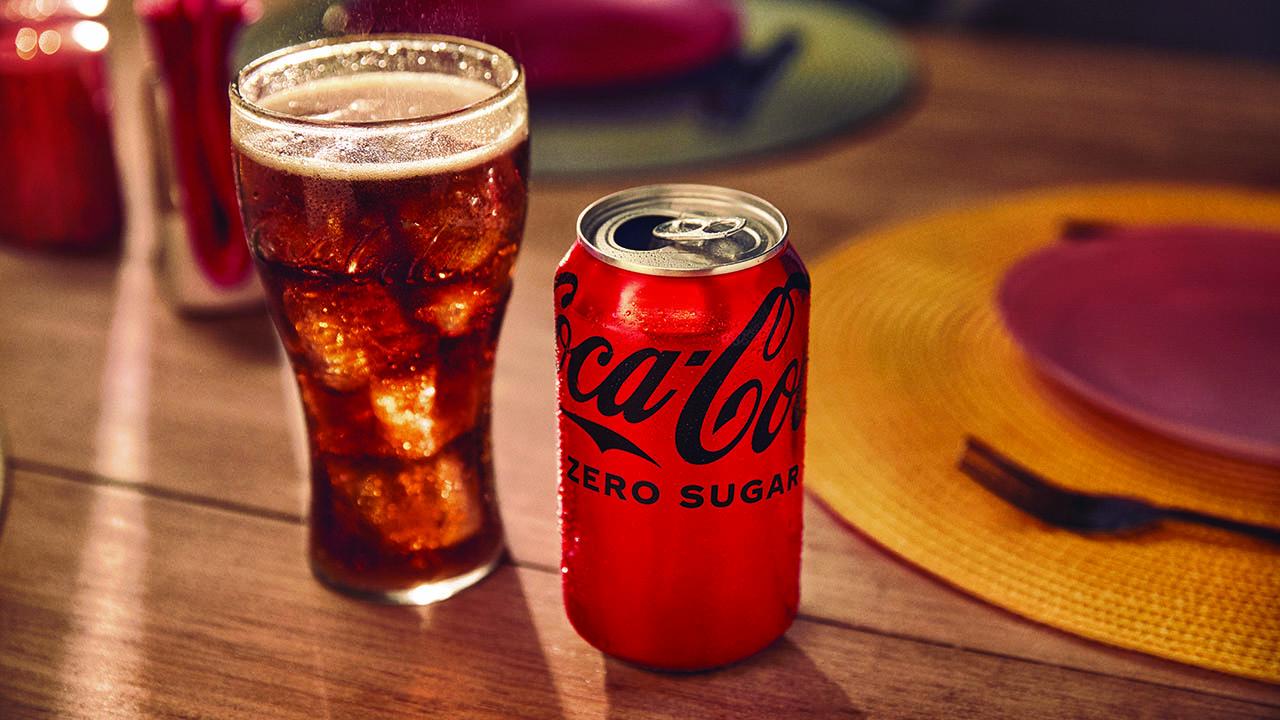
Duke University researchers revealed that the gastrointestinal tract, and not the tongue, distinguishes between Coca-Cola Original and Coca-Cola Zero Sugar.
According to their published study, neuropod cells in the stomach and intestine send signals to the brain recognizing sugar and artificial sweeteners differently.
Due to neurotransmitters like glutamate and ATP, the vagus nerve gets to figure out the difference within two millionths of a second.
Many noted that Coke Zero Sugar, which contains artificial sweeteners like sucralose and acesulfame potassium, could not fully replicate the taste of Original Coke.
While the tastes are closely similar, there are subtle differences between sugar and artificial sweeteners picked up by the human body upon ingestion.







