


 Intel, AMD Seek Long-Term China Server CPU Deals as AI Demand Drives Supply Crunch
  SpaceX Q2 Earnings on Aug. 4 Set Stage for Historic Insider Share Unlock
  Alaska Air Q3 Outlook Misses Estimates as Higher Fuel Costs Weigh on Profit Forecast
  Nationwide Data Center Protests Highlight Growing Backlash Against AI Expansion
  Iran Rejects U.S.-Backed Ceasefire as Trump Escalates Military Threats, Oil Tops $100
  US-Mexico USMCA Talks Advance as Auto Rules Remain Major Sticking Point
  Trump Administration Monitors OpenAI Incident as Lawmakers Push AI Kill Switch Bill
  Asian Stocks Slide as Oil Tops $100, Middle East Conflict Fuels Inflation Fears
  Super Micro Computer Stock Jumps 20% After Record AI Orders and Margin Surge
  Cathay Pacific Sees H1 Profit Surge on Strong Travel Demand
  DeepSeek Eyes $74 Billion Valuation Ahead of Planned China IPO
  Gold Price Surges Above $4,100 as Middle East Tensions Boost Safe-Haven Demand
  Morgan Stanley Downgrades Adobe, Workday as AI Transition Raises Growth Concerns
  Alphabet Q2 Earnings Beat Estimates as AI Spending, Google Cloud Growth Fuel Outlook
  Saudi Oil Tankers Reverse Course as Houthi Threats Disrupt Red Sea Shipping
  Oil Prices Rise as Houthi Attacks on Saudi Tankers Heighten Middle East Supply Fears
  Brent Oil Holds Above $100 as Red Sea Attacks, Iran Conflict Threaten Global Supply


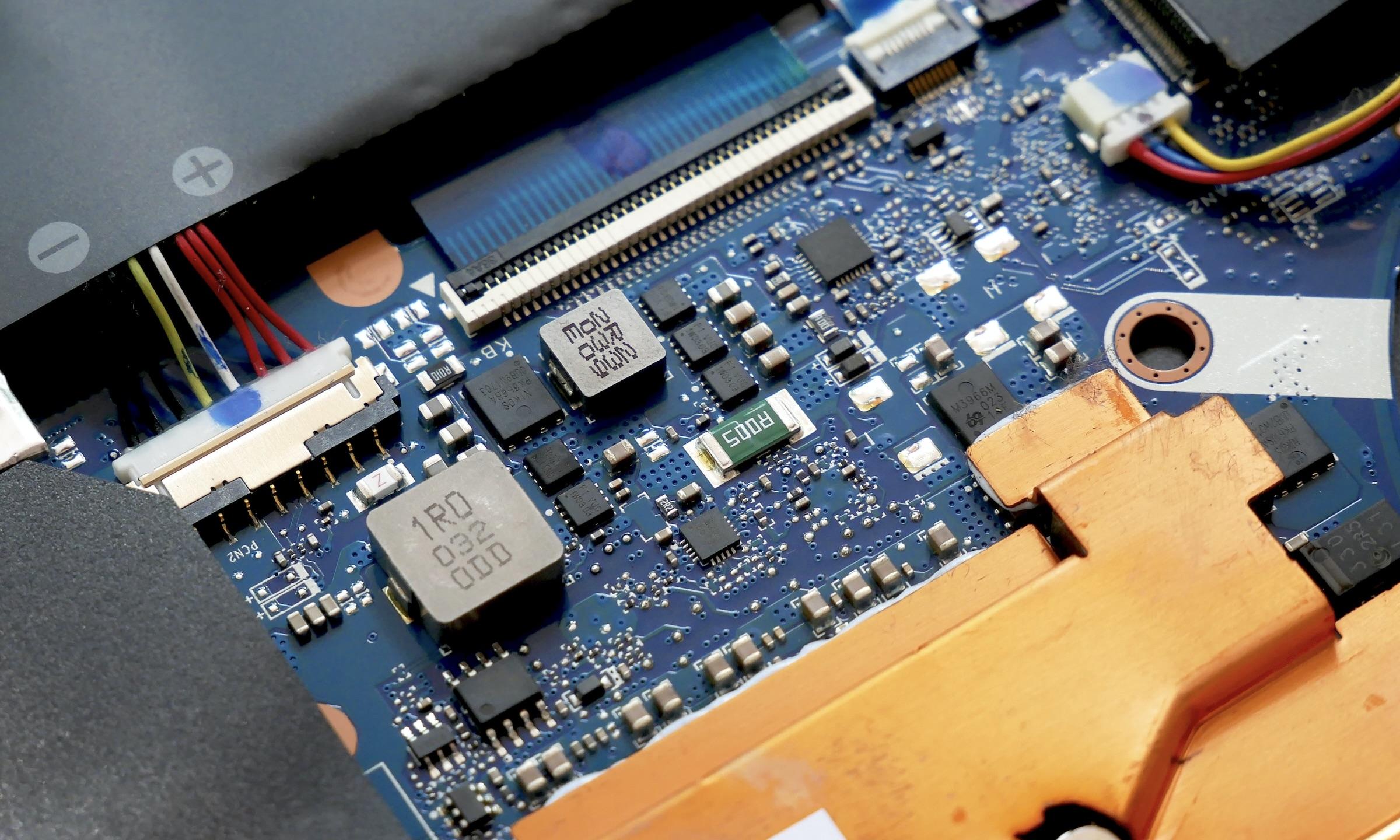
Japan Investment Corp., a government-backed fund, plans a bold $7 billion acquisition of global photoresists leader, JSR Corp., to amplify Japan's semiconductor self-sufficiency. This strategic move highlights the nation's increased focus on economic security and industrial competitiveness.
JSR, which holds a 30% share of the global market of photoresists, a critical chemical agent for manufacturing semiconductors, is expected to be delisted from the Tokyo Stock Exchange as early as fiscal 2024 if everything goes as planned. This will enable JSR to make management decisions on critical issues such as restructuring businesses and investments in growth sectors. The fund plans to invest ¥500 billion, with Mizuho Bank expected to lend about ¥400 billion.
The Japanese government is moving aggressively to beef up the domestic supply chain for semiconductors, which it considers a strategic commodity for economic security and national interest. According to Prime Minister Fumio Kishida, it is vital to secure an industrial base of semiconductor technology in Japan, not only to strengthen industrial competitiveness but also from the standpoints of decarbonization and economic security.
The Ministry of Industry revised its semiconductor and electronics industry strategy, aiming to increase annual domestic sales of semiconductor products threefold to more than ¥15 trillion. The ministry has also authorized a ¥330 billion subsidy to a new Hokkaido factory planned by Rapidus Corp., a semiconductor joint venture co-created by leading Japanese companies, including Toyota Motor Corp. and NTT Corp.
JSR said nothing was decided yet, but its board would discuss the matter on Monday after the Nikkei business daily reported that JIC was in talks to purchase the company via a tender offer as early as this year.
JSR, a company specializing in semiconductor materials and medical business, has reported a net profit of ¥15.7 billion on sales of ¥409 billion for the business year ending in March. The company, originally established as Japan Synthetic Rubber Co. in 1957 to produce synthetic rubber in Japan under a national policy, has since become a purely private-sector enterprise and has diversified into several business areas.
JSR is expecting a net profit of ¥25 billion on sales of ¥442 billion for the current business year. It strives for excellence in its field, and with its track record of success, JSR is poised for continued growth and innovation.
Photo: Vishnu Mohanan/Unsplash







