


 Rubio to Meet Wang Yi as Trump-Xi Summit Plans Advance Amid Election Meddling Dispute
  Japan PM Sanae Takaichi Unveils Growth Plan as BOJ Independence Concerns Lift Bond Yields
  Trump Administration Weighs Ending Support for UN Refugee Agency UNHCR
  Gold Price Jumps Near 2% Above $4,080 as Middle East Tensions Lift Safe-Haven Demand
  Asian Currencies Hold Steady as Middle East Tensions Boost US Dollar, Oil Concerns
  US, Solomon Islands Deepen Ties as Peace Corps Set to Return After 25 Years
  US-Iran Conflict Escalates as Gulf Attacks Threaten Global Oil Supply
  US Stock Futures Hold Steady as Tesla, Alphabet Earnings and Iran Conflict Dominate Market Focus
  Gold Climbs Above $4,000 as Middle East Tensions and Fed Outlook Drive Safe-Haven Demand
  Trump Announces 100% Tariff on Generic Drug Imports Starting in 2028
  Trump Set to Unveil New Tariffs on Dozens of Countries as Global 10% Duty Nears Expiration
  Asian Markets Cautious as Oil Tops $90, AI Earnings and Fed Rate Fears Weigh on Sentiment
  Deutsche Bank Says Fed Balance Sheet Cuts Could Weaken US Dollar Instead of Boosting It
  Eduardo Bolsonaro Granted U.S. Green Card Amid Brazil Legal Battle and Tariff Dispute
  Asian Currencies Hold Steady as Fed Outlook Offsets Middle East Tensions
  Oil Prices Hold Steady as U.S.-Iran Conflict and Houthi Blockade Keep Markets on Edge


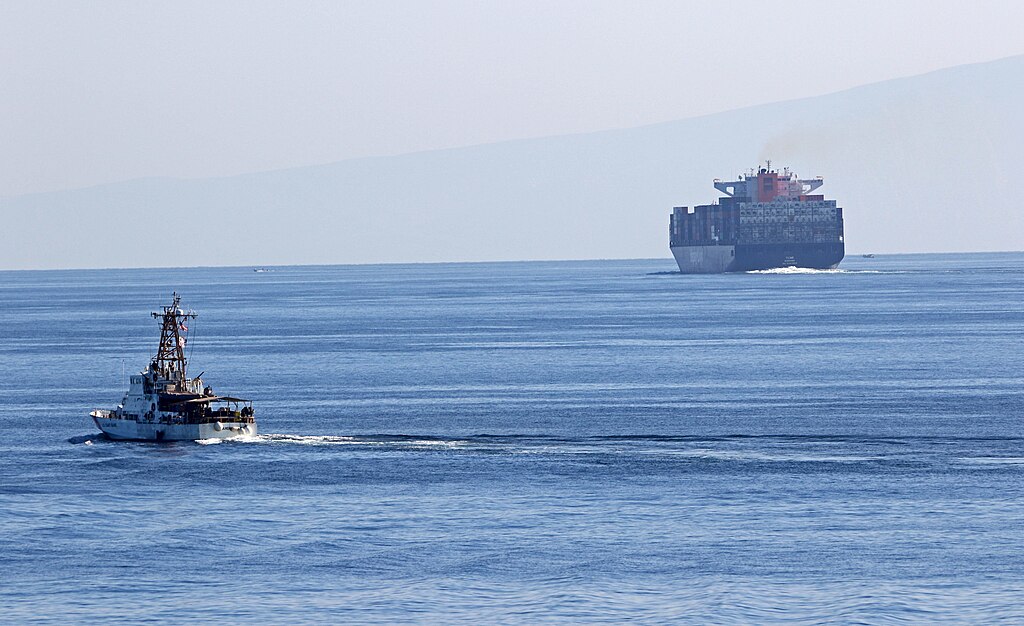
Two oil tankers carrying Saudi crude to Asia reversed course in the Red Sea after Yemen's Iran-backed Houthi movement threatened to target vessels transporting Saudi oil, raising fresh concerns over global energy supplies and shipping security.
The move comes as the Middle East conflict intensifies. U.S. forces carried out strikes across Iran for an 11th consecutive night, targeting military command centers, missile launch sites, drone facilities, maritime assets, and air defense systems. Explosions were reported in Tehran, Bushehr, Chabahar, and Konarak as Iran activated its air defenses.
Iran also launched attacks on U.S. military facilities in Bahrain, Kuwait, and Jordan. Authorities in Kuwait confirmed responding to drone and missile attacks, while Iran claimed it struck infrastructure linked to Amazon in Bahrain. Reuters could not independently verify that claim, and Amazon did not comment.
The Houthis, who control much of Yemen's Red Sea coastline, announced a naval blockade on Saudi Arabia and warned shipping companies they would target vessels loading or unloading Saudi crude. The threat prompted two tankers that had loaded oil at Saudi Arabia's Yanbu port for China and India to turn back toward the Suez Canal instead of passing through the Bab el-Mandeb Strait.
With the Strait of Hormuz facing ongoing disruptions, Saudi Arabia has relied on pipelines to Yanbu and Red Sea shipping to keep crude exports flowing. A sustained Houthi blockade could significantly restrict Saudi oil exports and tighten global energy supplies.
President Donald Trump said the Houthis had not yet closed the Bab el-Mandeb Strait but warned the United States would respond if they attempted to block the vital waterway. He also confirmed that 18 U.S. service members have been killed since the conflict escalated, including four in recent Iranian attacks on American bases in Jordan and Iraq.
Meanwhile, maritime security officials reported that a tanker in the Strait of Hormuz was struck by a projectile, forcing its crew to abandon the vessel. Iran's Revolutionary Guards also said two oil tankers caught fire during transit.
Oil prices reacted sharply to the escalating conflict, with Brent crude trading above $91 per barrel as investors monitored growing risks to global shipping routes. Despite the rising tensions, diplomatic efforts continue after Iran confirmed it had received a proposal for a 10-day ceasefire through regional mediators.







