


 Jack Lang Resigns as Head of Arab World Institute Amid Epstein Controversy
  Federal Judge Restores Funding for Gateway Rail Tunnel Project
  Ohio Man Indicted for Alleged Threat Against Vice President JD Vance, Faces Additional Federal Charges
  US Pushes Ukraine-Russia Peace Talks Before Summer Amid Escalating Attacks
  Missouri Judge Dismisses Lawsuit Challenging Starbucks’ Diversity and Inclusion Policies
  Netanyahu to Meet Trump in Washington as Iran Nuclear Talks Intensify
  India–U.S. Interim Trade Pact Cuts Auto Tariffs but Leaves Tesla Out
  U.S. Lawmakers to Review Unredacted Jeffrey Epstein DOJ Files Starting Monday
  Trump Endorses Japan’s Sanae Takaichi Ahead of Crucial Election Amid Market and China Tensions
  Iran–U.S. Nuclear Talks in Oman Face Major Hurdles Amid Rising Regional Tensions
  New York Legalizes Medical Aid in Dying for Terminally Ill Patients
  U.S.-India Trade Framework Signals Major Shift in Tariffs, Energy, and Supply Chains
  Trump Allows Commercial Fishing in Protected New England Waters
  Nicaragua Ends Visa-Free Entry for Cubans, Disrupting Key Migration Route to the U.S.
  Pentagon Ends Military Education Programs With Harvard University
  China Warns US Arms Sales to Taiwan Could Disrupt Trump’s Planned Visit


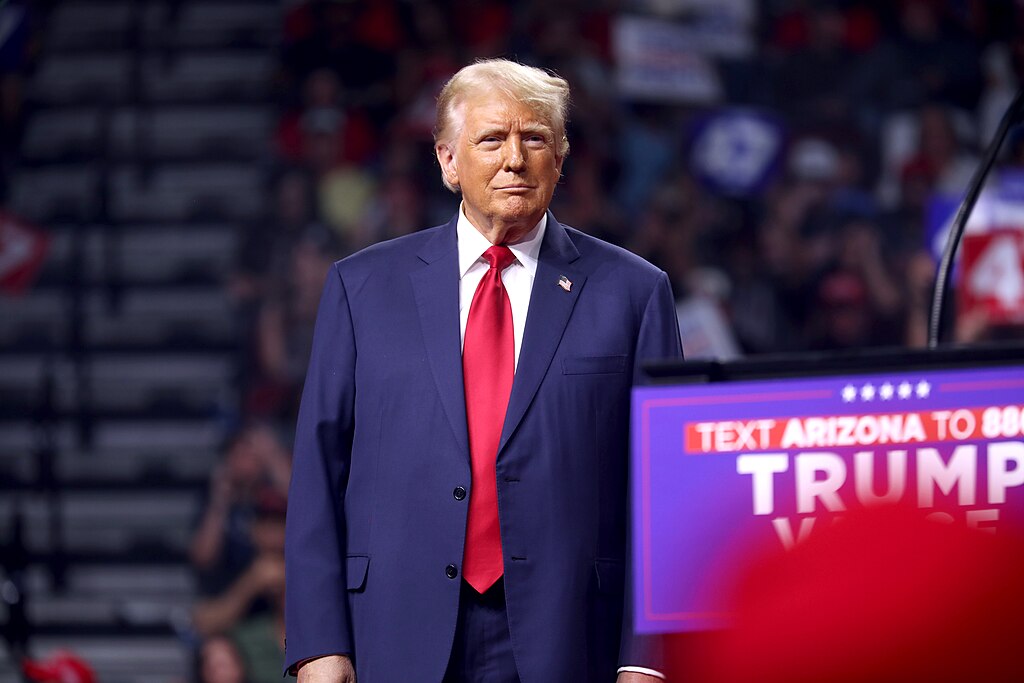
In a surprising development in the ongoing legal battle involving former President Donald Trump, Special Counsel Jack Smith has moved to dismiss his appeal in the high-profile classified documents case. Smith’s decision to withdraw the appeal marks a significant shift in the legal proceedings surrounding Trump and raises questions about the prosecution's strategy going forward.
Smith, who was appointed as special counsel to oversee investigations into Trump’s handling of classified materials after leaving the White House, has been leading the federal case centered on allegations that the former president mishandled sensitive government documents. The case has captivated the nation and heightened partisan divisions as both sides await further developments. Now, Smith’s move to dismiss the appeal has injected a new level of intrigue into the case, as legal analysts and political commentators speculate on what could be next.
A Controversial Case and a Surprising Twist
The classified documents case has been one of the most contentious issues surrounding Trump’s post-presidency. Prosecutors initially argued that Trump improperly retained and handled documents deemed crucial to national security, sparking a legal showdown with far-reaching implications. Smith’s appeal was expected to address certain procedural and legal questions that had emerged in the ongoing case, potentially strengthening the prosecution's position.
However, Smith’s unexpected request to dismiss the appeal has led to widespread speculation about his strategy and the future direction of the case. Legal experts suggest that withdrawing the appeal could signal a recalibration of the prosecution’s approach, as Smith may be aiming to refocus on other aspects of the case that could prove more effective in court.
“There are many factors that could be at play here,” said David Marcus, a former federal prosecutor. “By dropping this appeal, Smith could be clearing the way for a more streamlined approach that allows him to concentrate on the core of the allegations without getting mired in procedural battles.”
Political Implications Amid Speculation
The move to dismiss the appeal has sparked reactions from Trump’s allies and critics alike. Supporters of the former president argue that the withdrawal indicates a weakening case against Trump, a position they believe strengthens his assertions that the investigations are politically motivated. On the other side, critics of Trump contend that Smith may be strategically realigning his approach to ensure a more robust prosecution when the case goes to trial.
The decision also comes at a politically sensitive time, with Trump’s supporters rallying against what they perceive as government overreach. The special counsel’s investigations have become a flashpoint in the 2024 election landscape, influencing public opinion and bolstering Trump’s claims of victimization by the legal system. The latest development could amplify these narratives, as Trump and his allies continue to question the motives behind the investigations.
What Lies Ahead for the Classified Documents Case
While Smith has requested the dismissal of this specific appeal, the core of the classified documents case remains intact. The prosecution is expected to proceed with its broader arguments related to Trump’s handling of sensitive documents. Legal observers believe Smith’s team could be focused on building a stronger case around evidence that would likely withstand any procedural challenges.
For Trump, the dismissal of the appeal provides an opportunity to bolster his claims of innocence as he navigates both the legal and political arenas. His legal team has previously argued that the case against him is unfounded and is likely to seize upon the appeal withdrawal as further validation of their position.
As the case progresses, all eyes will remain on Smith and his team to see how they handle the next phase of litigation. While the appeal dismissal marks a notable turn, it is far from the end of this complex legal drama. Observers agree that the outcome of this case could have lasting implications, not only for Trump but also for the broader landscape of legal accountability for former presidents.













