


 US Dollar Weakens Near Six-Week Lows Amid Iran Ceasefire Hopes
  Asian Currencies Hold Steady Amid Iran Peace Talks and BOJ Rate Hike Uncertainty
  Greg Abel Sells Berkshire Hathaway Stocks Managed by Former Investment Manager Todd Combs
  U.S.-Iran Ceasefire Uncertainty Keeps Oil Prices Under Pressure
  Federal Judge Dismisses DOJ Lawsuit Attempting to Block Hawaii's Climate Case Against Oil Giants
  Federal Agencies Secretly Test Anthropic's AI Despite Trump Administration Ban
  ASML Raises 2026 Revenue Outlook as AI Chip Demand Surges
  Tesla's Terafab: AI Chip Factory Eyes Taiwan's Semiconductor Talent
  Samsung Races to Deliver Next-Gen HBM4E Memory Samples to Nvidia
  Sam Altman Moves to Dismiss Punitive Damages in Sister's Sexual Abuse Lawsuit
  China's Economy Surpasses Q1 2026 Growth Forecasts
  Gold Prices Dip Slightly But Hold Weekly Gains Amid U.S.-Iran Ceasefire Hopes
  U.S. Stock Futures Rise as S&P 500 and Nasdaq Reach Record Highs
  Oil Prices Plunge as Strait of Hormuz Reopens Amid U.S.-Iran Ceasefire Talks
  KKR's $820M Investment Fuels Samsung SDS AI Expansion, Sending Group Shares Soaring
  OpenAI's $20 Billion Cerebras Deal Signals Massive AI Infrastructure Push


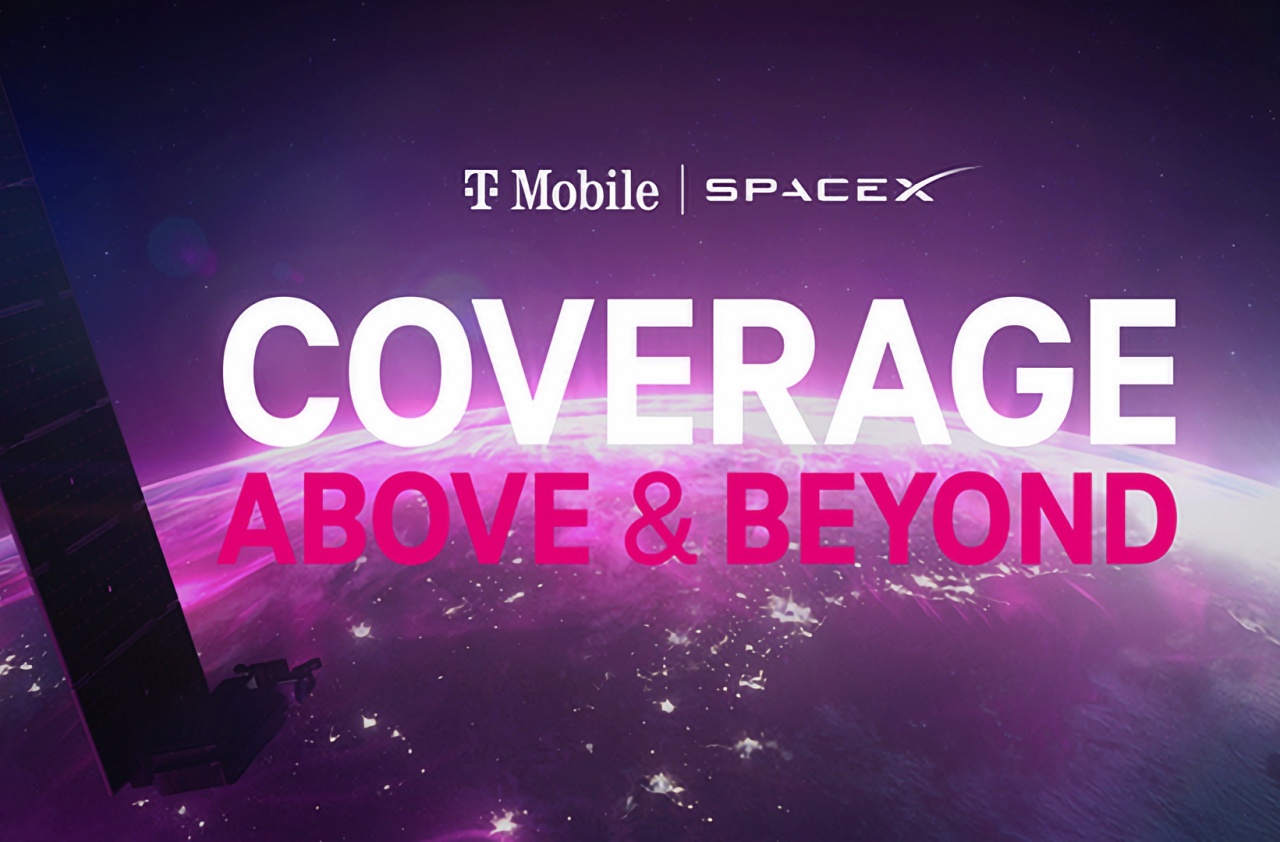
SpaceX and T-Mobile are working together to make sure that there will be no more “dead zones” or places that cannot be reached by mobile signals. The partnership was personally announced by the spacecraft engineering company’s chief executive officer Elon Musk and the German telecom firm’s chief Mike Sievert.
The CEOs said they would be launching a new mobile service that will be powered by Starlink’s second-generation satellites and T-Mobile’s bandwidth. As per CNBC, Musk and Sievert appeared at an event that was held at SpaceX’s facility in Boca Chica, Texas, last week. The latter shared that their company will be dedicating some part of its mid-band PCS spectrum to the project, and this will be incorporated into Starlink satellites that are scheduled for launch next year.
All users of the T-Mobile network will be able to use the messaging service, MMS, and some other messaging apps from remote points in all parts of the lower 48 states, Hawaii, Alaska, and Puerto Rico. This is a powerful mobile network that can even reach some far-off points in the water.
Sievert said that later on, as the project runs smoothly, the service will eventually work with voice. T-Mobile further shared it is planning to include the services listed under its most popular mobile subscription plans. Then again, the company did not mention any specific pricing or range of rates for the new service.
On the other hand, Musk said the new service would operate using Starlink’s second-generation satellites that have massive antennae. These satellites will allow the direct transmission of messages to mobile phones.
Starlink is composed of a large network of satellites that were launched by SpaceX into low Earth orbit. These were designed to distribute high-speed internet in remote areas across the world. To date, SpaceX has sent more than 2,700 satellites to orbit to support this network.
“Leveraging Starlink, SpaceX’s constellation of satellites in low Earth orbit, and T-Mobile’s wireless network, the companies are planning to provide customers text coverage practically everywhere in the continental US, Hawaii, parts of Alaska, Puerto Rico and territorial waters, even outside the signal of T-Mobile’s network,” SpaceX said in a statement.
The company added, “The service will be offered starting with a beta in select areas by the end of next year after SpaceX’s planned satellite launches.”







