


 Samsung Eyes Up to $1.14 Billion Investment in AI Startup Mistral
  Nike Shifts China Online Sales Strategy to Boost Brand and Fight Local Rivals
  Cathay Pacific Sees H1 Profit Surge on Strong Travel Demand
  Super Micro Computer Stock Jumps 20% After Record AI Orders and Margin Surge
  Coca-Cola Raises Diet Coke Prices in India as Iran Conflict Disrupts Can Supply
  Volkswagen Cuts 2026 Revenue Outlook as China Weakness, Trade Risks Weigh
  Oracle Stock Rises After Winning Up to $6.99 Billion U.S. Defense Software Contract
  SpaceX Stock Slump Wipes Out Nearly $700 Billion From Elon Musk’s Paper Wealth
  Alphabet Q2 Earnings Beat Estimates as AI Spending, Google Cloud Growth Fuel Outlook
  SAP Beats Q2 Revenue Estimates as Cloud Backlog and Business AI Demand Drive Growth.
  Intel, AMD Seek Long-Term China Server CPU Deals as AI Demand Drives Supply Crunch
  Trump Administration Monitors OpenAI Incident as Lawmakers Push AI Kill Switch Bill
  OpenAI Australia Data Center Switches Cooling Strategy After Recycled Water Plan Fails
  Alaska Air Q3 Outlook Misses Estimates as Higher Fuel Costs Weigh on Profit Forecast
  GE Vernova Q2 Revenue Tops Estimates as Earnings Miss, Shares Slide Despite Higher 2026 Outlook
  Paramount-Warner Bros. Merger Delayed Until 2027 Amid Antitrust Lawsuit
  Amkor Stock Surges 17% After $1.5 Billion Nvidia AI Packaging Partnership


By Meshaal Bin Omairh, Group CEO of Abdullah Al Othaim Investment Co.
A number of global business commentators have suggested that the COVID-19 pandemic could mark the end of the golden age of cities. People are tired of the rat-race and would prefer to live in suburban or rural areas, particularly as remote working became necessary during the height of the public health crisis. However, as we look towards recovery from the worst of the virus, many cities are bouncing back and evaluating how they want to evolve in the future. In particular, they are laser- focused on how to meet the changing demands of their citizens.
Harnessing cutting-edge technologies, developing strategies to tackle climate change and integrating effective public transport systems are just a few ways that cities can respond to the needs of their residents and unlock growth. After all, according to the UN, before the pandemic, 68% of the world’s population was set to live in urban areas by 2050.
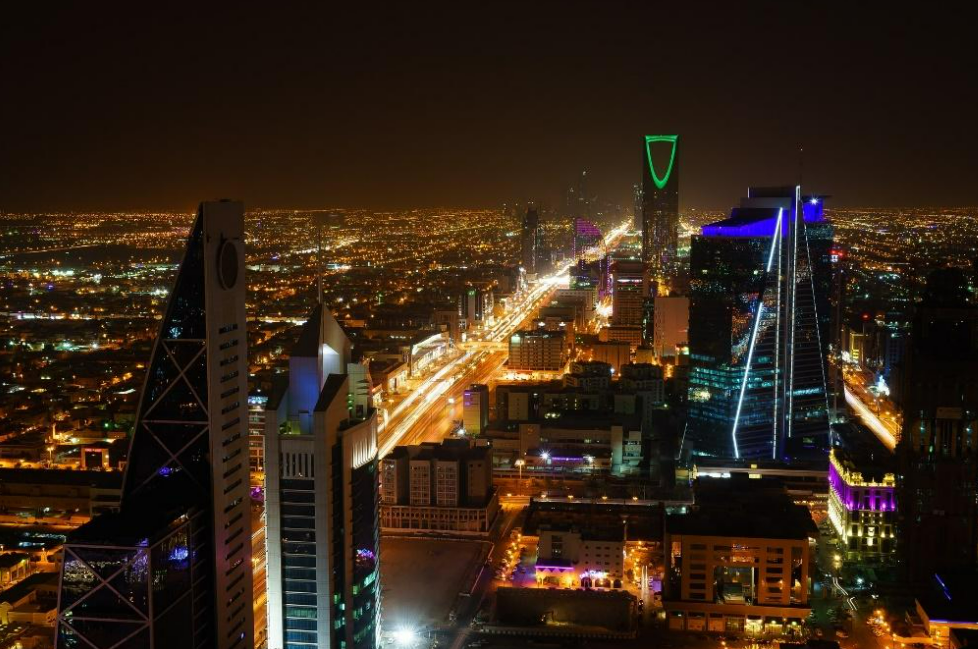
Many countries around the world have taken note and are adopting new ways of thinking in order to implement these strategies. Take Saudi Arabia – cities in the Kingdom recognise the importance of creating inclusive and innovative urban centres. The significance of this has been crystalised as we look towards Vision 2030. The country’s remarkably rapid construction of futuristic cities such as Neom and Qiddiya is taking the world by storm, and that is just the beginning.
Fundamentally, future-enabled cities will have people, and more broadly, the community at their core. As KPMG outlines, the ‘one-size-fits-all’ approach to planning and policies will no longer work. If we want to create cities that are healthy, sustainable, efficient and prosperous for all, they must also be inclusive. We need to mould cities around the needs of citizens, not the other way around. For example, following the ’15-minute city’ concept which suggests that cities are more enjoyable and productive when amenities are within 15 minutes walking or cycling distance from peoples’ homes will be important. The engineering and planning company Arup created the City Living Barometer which suggests that in major cities in Europe, and around the world, this needs more work. London is a 23.5 minute city, with almost half of Londoners complaining that amenities were too far away.
Building on this, Deloitte points out that by creating a digital innovation ecosystem, cities can attract talent, enable creativity and encourage disruptive thinking. Developing themselves through an innovation model approach and a combination of physical and digital elements, will therefore be crucial. In fact, Saudi Arabia has already adopted a new strategy for smart cities, which aims to transform the municipal and residential sector services into smart services through digital technologies and the Internet of Things (IoT). This strategy aims to enhance economic prosperity, environmental sustainability, and adequate government supervision.
For this reason, technology will play an integral role in the development of the future of cities. International adoption of experience-centric digital solutions will be indispensable and city leaders will need to make strategic, informed, outcome-based use of digital technology to successfully evolve cities and services for a new era, according to KPMG. Using modern technology and data- driven approaches, we can create ecosystems that deliver exciting and sustainable places to live.
For instance, in Saudi Arabia, the Kingdom is building the $500 billion high-tech mega-city Neom. As part of this, Neom is bringing together tech experts from around the globe to help develop the
world’s first hyper-connected cognitive cities. Rising from the desert, the development will include smart towns and cities, ports and enterprise areas, tourist resorts and entertainment venues – entirely powered by clean energy.
To help build these communities, it will be vital to create customer-centric public transport systems. These infrastructure projects must be environmentally friendly and intuitive. An innovative approach was taken by the Royal Commission for Al Ula (RCU) who introduced a smart pod pilot scheme, in cooperation with the French mobility company RATP Dev and local partners, which will provide passengers with a quick and easy link to the city’s old town. The service is part of the RCU’s comprehensive masterplan to develop a range of fully integrated, accessible and environmentally friendly public transport options.
As the Group CEO of Abdullah Al Othaim Investment Co., we are also committed to delivering innovative solutions to support the future growth of cities in Saudi Arabia and abroad. The company is a market-leader in the construction, management and operation of large shopping centres in Saudi Arabia. In particular, we recognise that customers want mixed-use retail spaces in urban centres. As part of this, we aim for our spaces to be a meeting place for the community – a multipurpose destination which, in turn, will provide visitors with an interactive and truly integrated experience.
It is my firm belief that we must shift the way we think about urban centres if we want to change the future of cities. Our pre-pandemic way of doing things will no longer be sufficient to respond to the issues of tomorrow. As a result, we must champion accessibility, community engagement and convenience to ensure that our cities continue to grow.
This article does not necessarily reflect the opinions of the editors or management of EconoTimes







