


 Asian Stocks Slip as Oil Prices Surge and Fed Signals Inflation Risks
  Alphabet Earnings Surge on AI Growth, Cloud Revenue, and Strong Search Performance
  China Factory Activity Extends Growth in April Despite Global Pressures
  Meta Raises 2026 Capex Outlook Amid AI Spending Surge, Shares Drop After Earnings
  U.S. Stock Futures Edge Higher Ahead of Big Tech Earnings and Fed Decision
  Iran-U.S. Conflict Escalation Threatens Global Oil Supply and Economic Stability
  Panama Defends Port Takeover Amid U.S.-China Tensions and Canal Dispute
  Advantest Stock Falls on Weak Outlook Despite Strong AI-Driven Results
  Gold Prices Fall as Strong Dollar and Rising Oil Prices Pressure Markets
  AstraZeneca Q1 2026 Earnings Surge on Strong Oncology and Rare Disease Drug Sales
  Novartis Q1 2026 Earnings Miss Expectations as Generic Competition Pressures Sales
  China’s Ultra-Cheap EV Boom: Why Electric Cars Cost Far Less Than in the U.S.
  Wall Street Surges to Record Highs Amid Strong Earnings and Economic Stability
  Air Liquide Q1 Revenue Misses Estimates Amid Currency and Energy Headwinds
  Asian Markets Mixed as Fed Decision, Iran Tensions, and Inflation Data Weigh on Sentiment


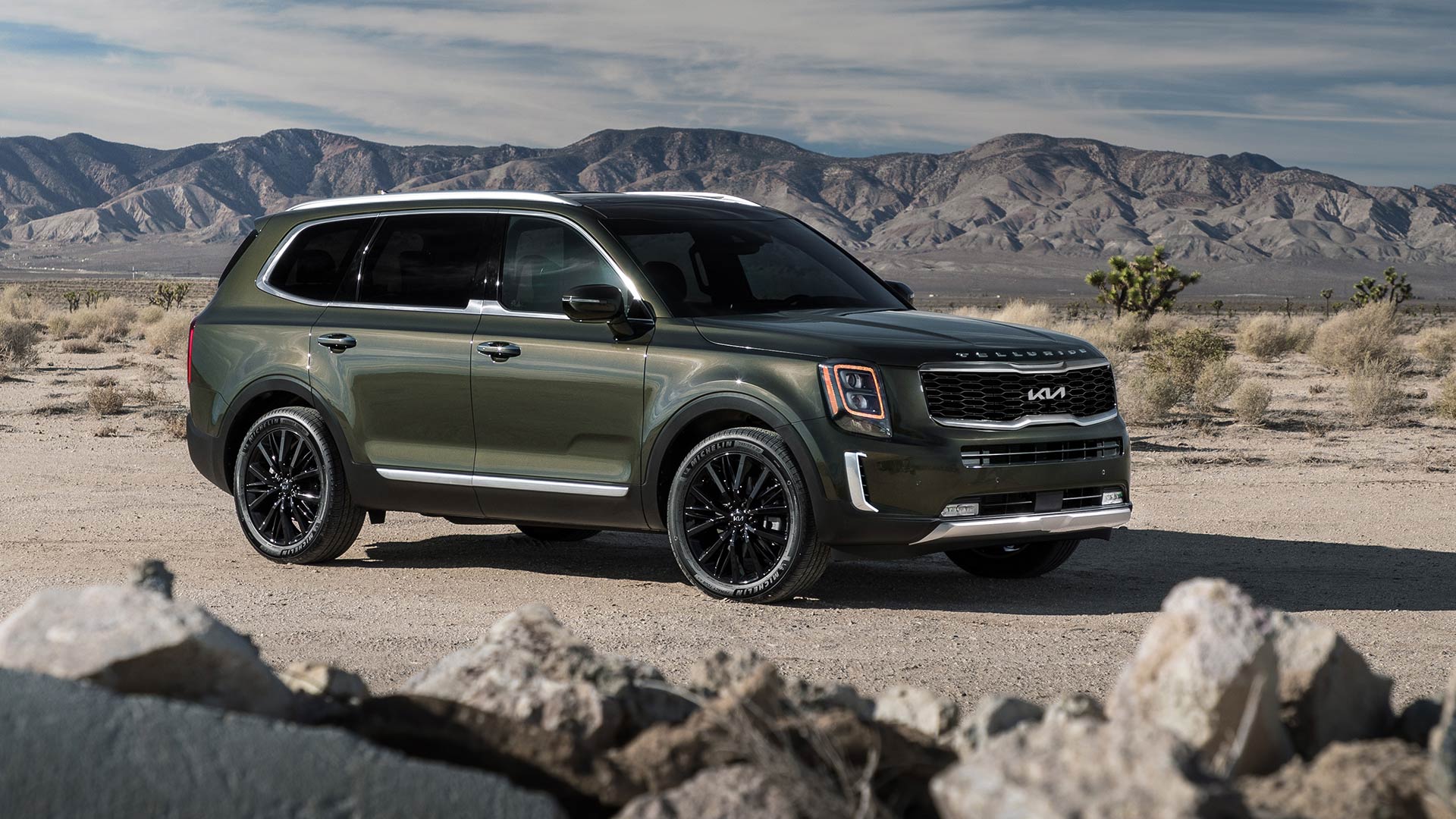
Hyundai Motor Co. and its affiliate Kia Corp. combined for sales of 140,951 vehicles in the US in June, a 44 percent increase from 98,005 units from a year earlier on robust demand for their SUVs.
Hyundai's sales jumped 45 percent to 72,465 units last month from 50,135 last year, while Kia's increased 43 percent to 68,486 from 47,870 the year before.
Hyundai's Palisade, Santa Fe and Tucson SUVs, and Kia's Telluride, Sportage, and Sorento SUVs experienced strong sales.
Randy Parker, senior vice president at Hyundai Motor America, credited their retail partners for their dedication in delivering Hyundai vehicles with an outstanding consumer experience in gaining more sales.
The companies reported their highest ever first-half sales of 785,646 autos, for this year, up 47 percent from 535,934 during the same period of last year.
Hyundai and Kia are collectively the fifth-biggest carmakers in the world by sales.







