


 Ukraine-Russia Ceasefire Confirmed as Prisoner Swap Deal Advances
  FEMA Reinstates Employees After Dissent Letter, Signaling Shift in Workforce Stability
  Israel Expands Gaza Restricted Zones, Raising Concerns for Civilians and Aid Access
  CDC Monitors U.S. Travelers After Hantavirus Outbreak on Luxury Cruise Ship
  Trump Says U.S. Navy Destroyers Passed Strait of Hormuz Under Iranian Fire
  Judge Rules Use of Military Lawyers in Civilian Prosecutions Is Lawful
  Brazil Pension Fund Crackdown After Banco Master Collapse Raises Investment Concerns
  U.S. Flags Vietnam as “Priority Foreign Country” Over Intellectual Property Concerns
  Trump Inspects Lincoln Memorial Reflecting Pool Renovation in Washington
  White House Withdraws Trump’s National Park Service Nominee Amid Criticism
  US-Iran Ceasefire Under Pressure as Fresh Strait of Hormuz Clashes Shake Oil Markets
  Trump Reportedly Approves Plan to Remove FDA Commissioner Marty Makary Amid Growing Controversies
  Iran Accuses U.S. of Violating Strait of Hormuz Ceasefire with Ship and Coastal Attacks
  Medicare to Cover GLP-1 Weight-Loss and Diabetes Drugs Starting July 1
  Senate Stablecoin Bill Sparks Clash Between Banks and Crypto Industry
  New York Moves to Ban Masked Law Enforcement During Immigration Operations
  Rubio Presses Italy Over Iran Support as Tensions Test U.S.-Italy Alliance


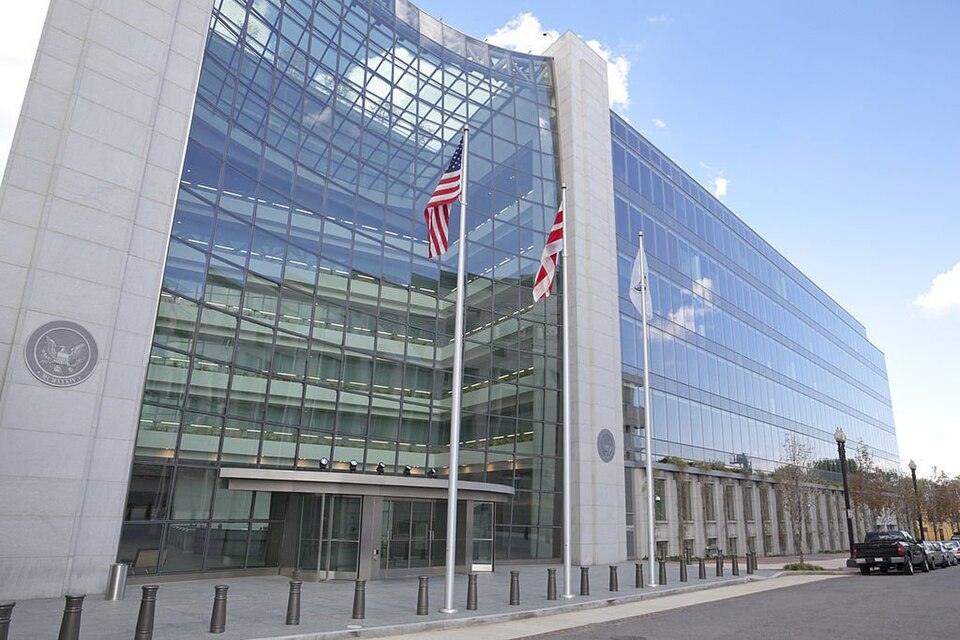
The U.S. Securities and Exchange Commission is weighing a landmark change to how public companies report their financials, potentially moving from quarterly disclosures to just twice a year. According to recent reports, the regulator could unveil the proposal as early as next month, giving companies the flexibility to opt out of the longstanding quarterly earnings cycle.
The initiative has gained strong backing from President Trump and newly appointed SEC Chairman Paul Atkins, both of whom have characterized the current four-times-a-year requirement as an unnecessary administrative burden. Advocates of the reform argue that easing reporting obligations could lower compliance costs for businesses and potentially attract more companies to list publicly in the U.S., helping to reverse a decade-long decline in the number of publicly traded firms.
As part of its groundwork, the SEC has been in active discussions with major stock exchanges to assess how existing listing rules would need to be updated. The proposed change would not eliminate quarterly reporting altogether but would make it voluntary rather than mandatory, preserving the option for companies that prefer to maintain higher disclosure frequency.
The proposal builds on momentum from late last year, when the Long-Term Stock Exchange formally petitioned the SEC to revisit disclosure rules. A similar initiative was explored during Trump's first term but never advanced this far in the regulatory process.
Before any rule change takes effect, it must clear a mandatory public comment period of at least 30 days, followed by a formal commission vote. The outcome is far from certain, as many institutional investors and analysts depend on regular financial transparency to accurately value their portfolios.
Critics warn the shift could introduce greater market volatility, while supporters point to European and U.K. markets, where mandatory quarterly reporting was scrapped more than a decade ago with broadly positive results. Many overseas firms continue to report quarterly by choice, suggesting a voluntary model can still support investor confidence.







