


 Ghana Rejects U.S. Health Deal Over Data Sharing Concerns Amid Foreign Aid Shift
  Judge Delays SEC Settlement With Elon Musk Over Twitter Stock Disclosure Case
  Brazil Pension Fund Crackdown After Banco Master Collapse Raises Investment Concerns
  Rubio Presses Italy Over Iran Support as Tensions Test U.S.-Italy Alliance
  US-Iran Ceasefire Under Pressure as Fresh Strait of Hormuz Clashes Shake Oil Markets
  Iran Accuses U.S. of Violating Strait of Hormuz Ceasefire with Ship and Coastal Attacks
  Federal and State Authorities Conduct Widespread Fraud Raids Across Minnesota
  Pope Leo Calls for Peace as Vatican Seeks Better Ties With U.S.
  TikTok Nears $400 Million Settlement With Trump Administration Over Child Privacy Lawsuit
  Australia’s Wealthy Donors Shift Support to One Nation Amid Conservative Party Decline
  US Sanctions Target Iran’s Shadow Banking Network and Terror Financing
  US Adds European Union to Section 301 Watchlist Amid Trade Concerns
  U.S. Sanctions Former DR Congo President Joseph Kabila Over Rebel Support
  New York Moves to Ban Masked Law Enforcement During Immigration Operations
  CDC Monitors U.S. Travelers After Hantavirus Outbreak on Luxury Cruise Ship
  U.S. Fast-Tracks $8.6 Billion Arms Sales to Middle East Allies Amid Rising Tensions
  Russia Downs Over 50 Drones Near Moscow Ahead of Victory Day Ceasefire


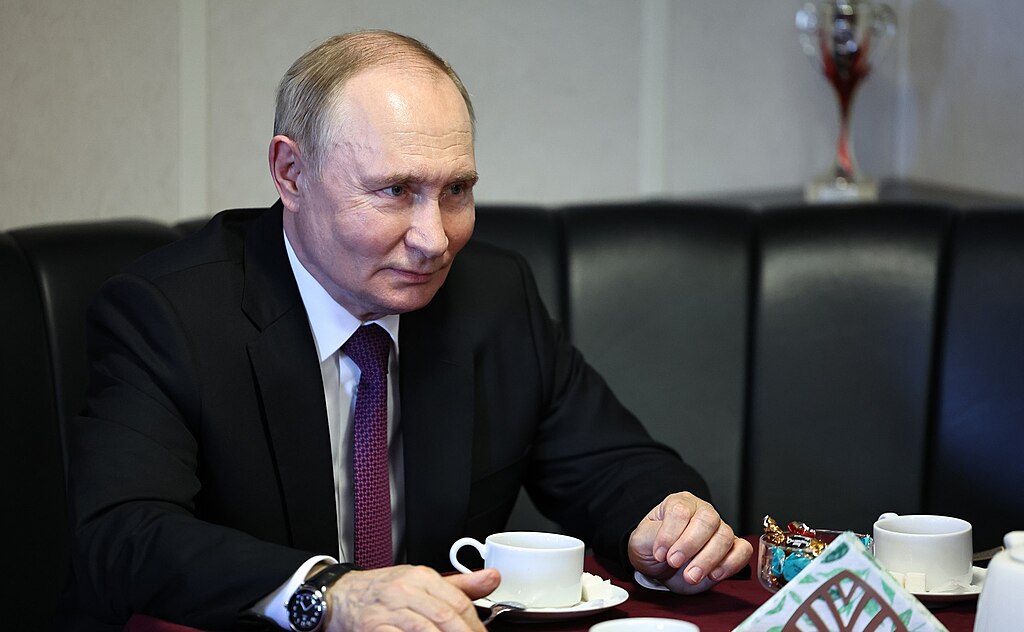
Russia has approved a new long-term national policy strategy calling for a significant strengthening of Russian identity and language use, particularly in Ukrainian territories annexed since the 2022 invasion. The document, signed by President Vladimir Putin and titled “Strategy of Russia’s National Policy in the Period to 2036,” outlines measures aimed at ensuring that at least 95% of the population within Russia— including the occupied regions of Donetsk, Luhansk, Kherson, and Zaporizhzhia — identify as Russian by 2036.
The Kremlin argues that gaining control over these eastern regions has “created conditions for restoring the unity of the historical territories of the Russian state.” The strategy calls for deeper entrenchment of the Russian language, expanded cultural influence, and stronger efforts to counter what Moscow describes as attempts by “unfriendly foreign states” to destabilize inter-ethnic relations. Putin has for years questioned Ukraine’s distinct national identity, often portraying Russia and Ukraine as historically intertwined.
Russia’s justification for the 2022 invasion centered on claims of protecting Russian-speakers and combating alleged discrimination, though Kyiv has repeatedly denied such accusations. Since Ukrainian independence in 1991, Ukrainian has been the country’s sole official language. Following the invasion, public sentiment toward Russia has sharply deteriorated, and surveys show a significant decline in the use of Russian across Ukraine.
Meanwhile, Ukrainian President Volodymyr Zelenskiy said Kyiv is prepared to move forward with a U.S.-supported peace initiative aimed at ending Europe’s deadliest conflict since World War II. However, Ukrainian officials remain cautious, wary that any diplomatic resolution could pressure Kyiv into accepting territorial losses or other terms favorable to Moscow.
As fighting continues and political narratives harden, Russia’s new policy framework signals its intention to formalize long-term control and influence over the annexed regions. The decree will take effect in January, with progress measured by tracking civic self-identification and cultural integration across the population.







