


 BOJ Set for Rate Hike as Inflation and Yen Pressure Mount
  US Stocks Slip as Treasury Yields Ease, AI Trade Rebounds
  Asian Stocks Fall as Oil Surge, Bond Yields and AI Concerns Hit Markets
  US Dollar Hits Two-Month High as Aussie, Pound Slide
  Fed Unveils Stablecoin Rules Under GENIUS Act
  China Cuts Tariffs on U.S. Farm Goods but Excludes Soybeans
  Global Central Banks Brace for More Rate Hikes as Inflation Risks Rise
  Australia Inflation Accelerates to 4% After RBA Rate Hike
  U.S. Stock Futures Steady as AI, Rate Concerns Weigh
  XRP Price Targets $1.70 as Bullish Momentum Builds
  RBA Hikes Interest Rate to 4.60% as Inflation Risks Rise
  US Alcohol Ban Exposes Canada’s Internal Trade Barriers


 Add as a preferred source on Google
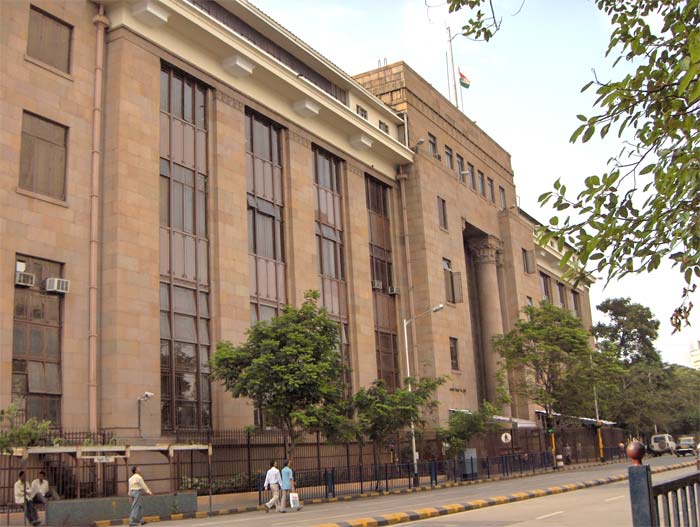
The Reserve Bank of India (RBI) has kept its benchmark interest rate unchanged at 5.5% during its latest monetary policy review, maintaining a neutral stance as the economy grapples with growing global trade headwinds. The decision follows a cumulative 1% rate cut earlier in 2025.
RBI Governor Sanjay Malhotra highlighted that while India’s economy remains resilient, external challenges—particularly steep U.S. tariffs—pose significant risks to growth. He noted that the central bank would wait for greater clarity on the tariff landscape before considering further policy adjustments.
India’s economic growth, which reached an impressive 7.8% in the June quarter, is expected to slow in the coming months as overseas demand weakens under tariff pressures. U.S. President Donald Trump’s 50% trade tariffs on Indian goods, imposed over the country’s continued Russian oil imports, have added new challenges for the export sector.
Despite these headwinds, the RBI upgraded its GDP growth outlook for fiscal 2026 to 6.8%, up from 6.5%, citing supportive government measures. Malhotra said that recent cuts in the Goods and Services Tax (GST) by the Narendra Modi government, alongside easing food prices, were expected to cushion the impact of weaker exports.
Inflation prospects also appear favorable. The RBI lowered its consumer price index (CPI) inflation forecast for fiscal 2026 to 2.7%, down from 3.1%, pointing to benign price pressures in the near term. Malhotra emphasized that GST cuts and cooling food prices would help sustain this softer inflationary environment.
While global trade uncertainties weigh heavily on India’s outlook, the central bank is signaling that it has room for more monetary easing if conditions deteriorate. For now, the RBI’s cautious approach underscores its priority of balancing growth support with external risks.







