


 Yen Sinks as BOJ Rate Hike Fails to Impress Markets
  Gold Plunges 4% as Treasury Yields Surge and Fed Rate Hike Bets Rise
  US Stocks Slip as Treasury Yields Ease, AI Trade Rebounds
  Oil Prices Slide as Middle East Flows Recover
  Japanese Yen Retreats as Dollar Rises Ahead of Fed, BOJ Rate Decisions
  Australia Trade Surplus Shrinks Sharply as Imports Surge
  U.S. Stock Futures Steady as AI, Rate Concerns Weigh
  BOJ Signals Faster Rate Hikes as Inflation Risks Grow
  Japan Factory Output Unexpectedly Falls 1.7% in August
  U.S. Stock Futures Fall as Iran, Oil and AI Risks Rattle Markets
  Nvidia China Chip Sales Report Sends Chinese Semiconductor Stocks Lower


 Add as a preferred source on Google
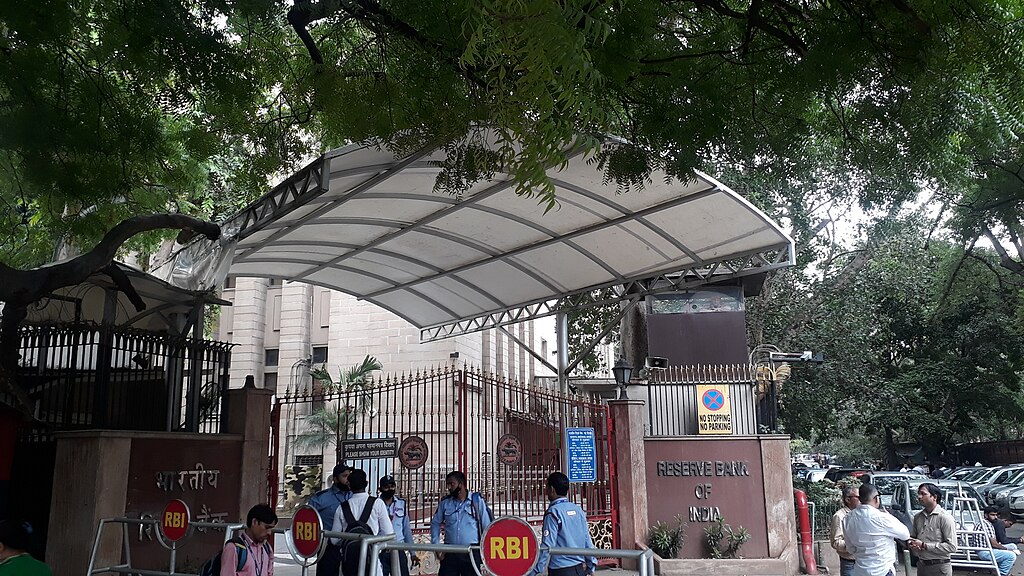
The Reserve Bank of India (RBI) slashed its key repo rate by 50 basis points to 5.50% on Friday, delivering a larger-than-expected cut in a continued effort to stimulate economic growth. This marks the third straight rate cut in 2025, totaling a 100 basis point reduction since February—the first easing cycle since May 2020.
The RBI also reduced the cash reserve ratio (CRR) by 100 basis points to 3%, injecting additional liquidity into the banking system. The decision comes as retail inflation eases sharply, dropping to a six-year low of 3.16% in April—well below the central bank’s medium-term target of 4%. The RBI now forecasts average inflation at 3.7% for the current fiscal year, down from its earlier estimate of 4%.
RBI Governor Sanjay Malhotra emphasized that the drop in inflation created room to "front load" rate cuts and continue policy easing. The monetary policy stance has shifted from “accommodative” to “neutral,” signaling a more balanced approach moving forward.
Market reaction was mixed. India’s 10-year bond yield dipped to 6.18%, while the rupee remained steady at 85.82. Equity markets, initially buoyed by the rate cut, reversed gains and edged down by about 0.1%.
Despite a strong 7.4% GDP growth in the January–March quarter, the RBI maintained its annual growth forecast at 6.5%, underscoring the need for policy support to sustain momentum. India’s economy, though resilient, is targeting even higher growth.
The Monetary Policy Committee (MPC), comprising three RBI officials and three external members, unanimously agreed to the latest rate decision, reflecting a shared commitment to growth amid a favorable inflation backdrop.







