


 RBA Set for September Rate Hike as Inflation Stays High
  BlackRock’s Rick Rieder Favors Bonds Over Stocks as Treasury Yields Surge
  US Dollar Hits Two-Month High as Aussie, Pound Slide
  RBI Uses $10 Billion Currency Swaps to Drain Excess Rupee Liquidity
  Asian Stocks Fall as Oil Surge, Bond Yields and AI Concerns Hit Markets
  Japan Factory Output Unexpectedly Falls 1.7% in August
  UK Housebuilder Stocks Surge on New First-Time Buyer Loan Scheme
  Gold Rebounds as Oil Falls and Treasury Rout Eases
  Oil Prices Slide as Middle East Flows Recover
  Asian Chip Stocks Tumble as OpenAI Safety Pause Sparks AI Growth Concerns
  Fed’s Hammack Says Bond Yield Surge Is Not Driven by Inflation Fears
  XRP Price Targets $1.70 as Bullish Momentum Builds


 Add as a preferred source on Google
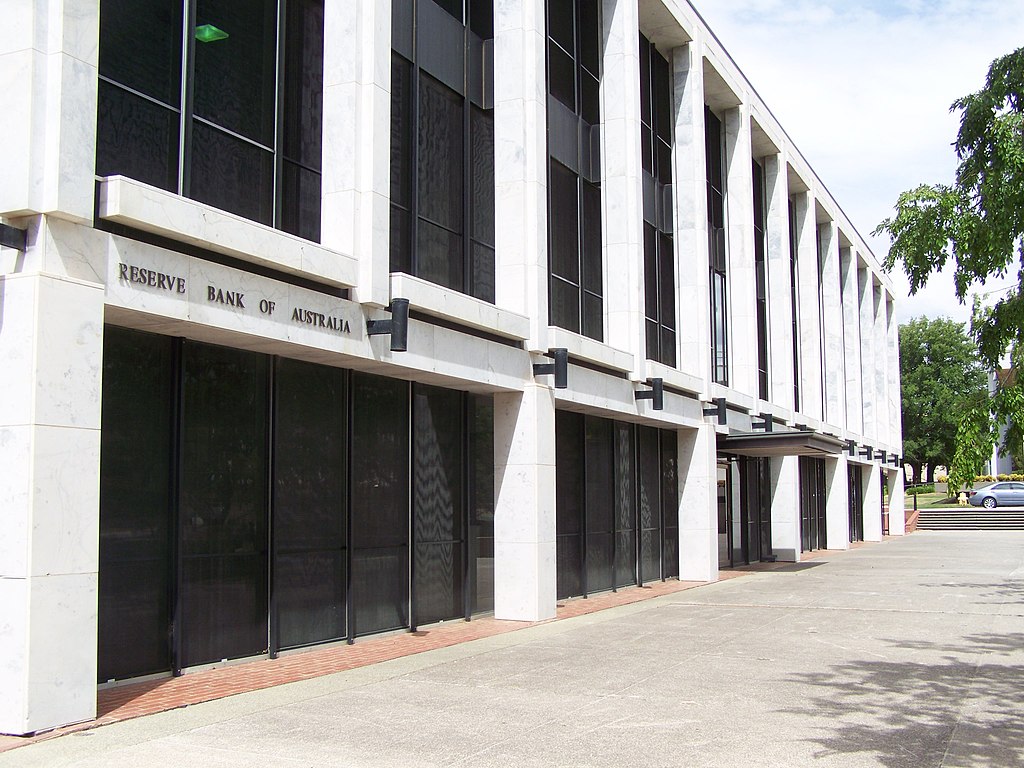
The Reserve Bank of Australia (RBA) has revealed that its board members discussed the possibility of raising interest rates in 2026, according to the minutes from the central bank’s December policy meeting. The discussion comes as policymakers respond to a renewed increase in inflation, which has complicated the RBA’s monetary policy outlook and raised uncertainty over the future path of interest rates.
Earlier in December, the RBA decided to keep the cash rate unchanged at 3.60%. Governor Michele Bullock indicated that interest rates may need to remain steady for longer than previously anticipated, particularly after domestic inflation surprised to the upside. The RBA minutes showed that board members are increasingly concerned about inflationary risks, especially as tight labor market conditions continue to place upward pressure on prices.
Despite leaving rates unchanged, policymakers actively debated whether monetary policy was currently restrictive or accommodative. This debate was influenced by the RBA’s cumulative 75 basis point rate cuts earlier in the year, which marked the start of a shallow easing cycle aimed at supporting economic growth. However, inflation rebounded sharply in the second half of 2025, with core inflation rising above the RBA’s target range of 2% to 3%, prompting renewed caution.
The minutes noted that if inflationary trends persist, a rate increase could be considered sometime in the coming year. At the same time, the RBA emphasized that it is too early to determine whether the recent rise in inflation reflects sustained pressures or temporary and volatile factors. Policymakers agreed that holding interest rates steady for now may be sufficient to keep the economy balanced, provided financial conditions remain slightly restrictive.
The RBA’s next policy meeting is scheduled for February 2026, when officials are expected to have clearer insight into economic conditions following the release of fourth-quarter 2025 growth and inflation data. Adding to market expectations, major Australian banks such as Commonwealth Bank and National Australia Bank have recently revised their forecasts, warning that an interest rate hike could occur as early as February.
Overall, the RBA’s latest minutes highlight a cautious but increasingly vigilant stance, as the central bank balances inflation risks against economic stability while keeping the door open to higher interest rates in 2026.







