


 Fed Unveils Stablecoin Rules Under GENIUS Act
  Australia Budget Deficit Narrows to A$22.3 Billion on Stronger Tax Revenue
  Fed Unveils Stablecoin Rules Under GENIUS Act
  BOJ Set for Rate Hike as Inflation and Yen Pressure Mount
  BOJ Flags Import Costs and Yen Shocks as Persistent Inflation Risks
  Asian Currencies Mixed as Yen Weakens, RBA Hike Looms
  US Stocks Slip as Treasury Yields Ease, AI Trade Rebounds
  RBA Hikes Interest Rate to 4.60% as Inflation Risks Rise
  U.S. Stock Futures Fall as Iran, Oil and AI Risks Rattle Markets
  Oil Prices Jump Nearly 3% as Iran Holds Firm on Hormuz Conditions
  Trump Eyes $54 Billion South Korean Investment in Alaska LNG
  Yen in Focus as BOJ, Fed Rate Hikes Reshape Currency Markets
  RBI Uses $10 Billion Currency Swaps to Drain Excess Rupee Liquidity
  Central Banks Could Buy 20,000 Tonnes of Gold: BofA


 Add as a preferred source on Google
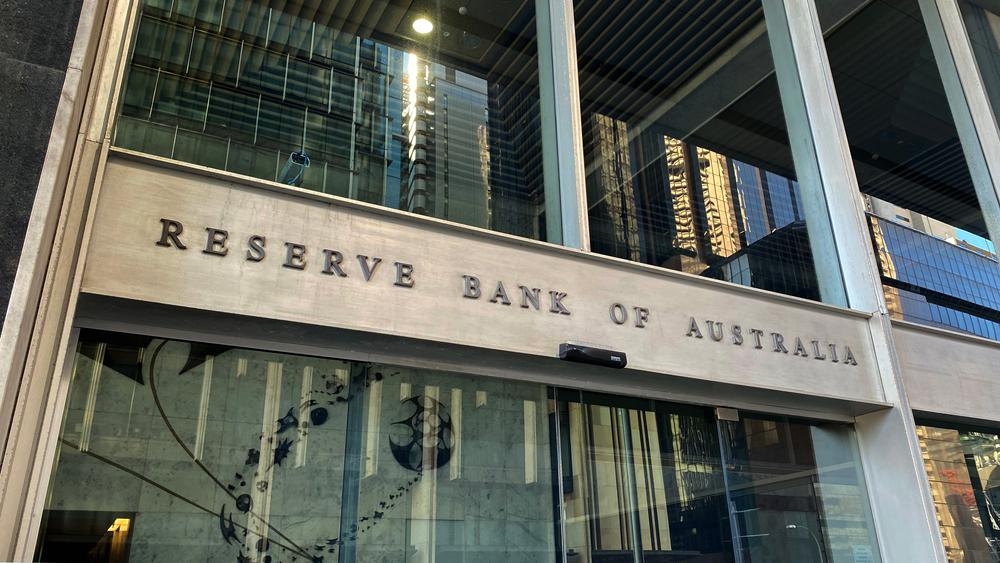
Australia’s central bank is taking a deeper look at several structural shifts in the economy as it reassesses future monetary policy moves. According to Sarah Hunter, assistant governor at the Reserve Bank of Australia (RBA), policymakers are closely examining changes in business pricing strategies, the nation’s supply capacity, and the effectiveness of monetary policy transmission in the current environment.
Hunter noted during an event in Sydney that the RBA remains “constantly curious” about how the economy is evolving beneath the surface. This renewed scrutiny follows an unexpected surge in inflation last quarter, which invalidated previous forecasts and tempered expectations for further rate cuts after three reductions earlier this year. With inflation remaining stubbornly high, the bank is questioning whether the current cash rate of 3.6% is sufficiently restrictive to guide inflation back into its 2–3% target range.
One major focus for the RBA is whether companies have shifted their price-setting behavior after the COVID-19 pandemic. Businesses may be reacting differently to cost pressures and consumer demand compared to pre-pandemic norms, potentially complicating inflation forecasting.
The second area under examination is the economy’s supply capacity. This includes evaluating how close Australia is to full employment and determining whether labor market conditions are contributing to inflationary pressures. Understanding the true limits of supply is crucial for policymakers trying to balance economic growth with price stability.
The final issue concerns the transmission channels of monetary policy. Hunter highlighted that the housing market has responded more strongly than expected to recent rate cuts, raising questions about how effectively higher or lower interest rates influence broader economic activity compared to previous cycles.
As the RBA navigates these uncertainties, its analysis of shifting behaviors and economic dynamics will play a key role in shaping upcoming decisions on interest rates and future policy settings.







