


 Global Central Banks Brace for More Rate Hikes as Inflation Risks Rise
  China, US Extend Trade Truce Through January 10 After Trump-Xi Summit
  Yen in Focus as BOJ, Fed Rate Hikes Reshape Currency Markets
  Fed Rate Hike Threatens Housing as U.S. Growth Leans on AI, Citi Says
  BOJ Set to Raise Rates to 1.25% as Inflation Risks Build
  U.S. Stock Futures Steady as AI, Rate Concerns Weigh
  U.S. Stock Futures Fall as Iran, Oil and AI Risks Rattle Markets
  Japanese Yen Retreats as Dollar Rises Ahead of Fed, BOJ Rate Decisions
  Australia Budget Deficit Narrows to A$22.3 Billion on Stronger Tax Revenue
  Gold Plunges 4% as Treasury Yields Surge and Fed Rate Hike Bets Rise
  Asian Stocks Fall as Bond Yields and Oil Prices Surge
  BlackRock’s Rick Rieder Favors Bonds Over Stocks as Treasury Yields Surge
  Trump Eyes $54 Billion South Korean Investment in Alaska LNG
  Asian Chip Stocks Tumble as OpenAI Safety Pause Sparks AI Growth Concerns


 Add as a preferred source on Google
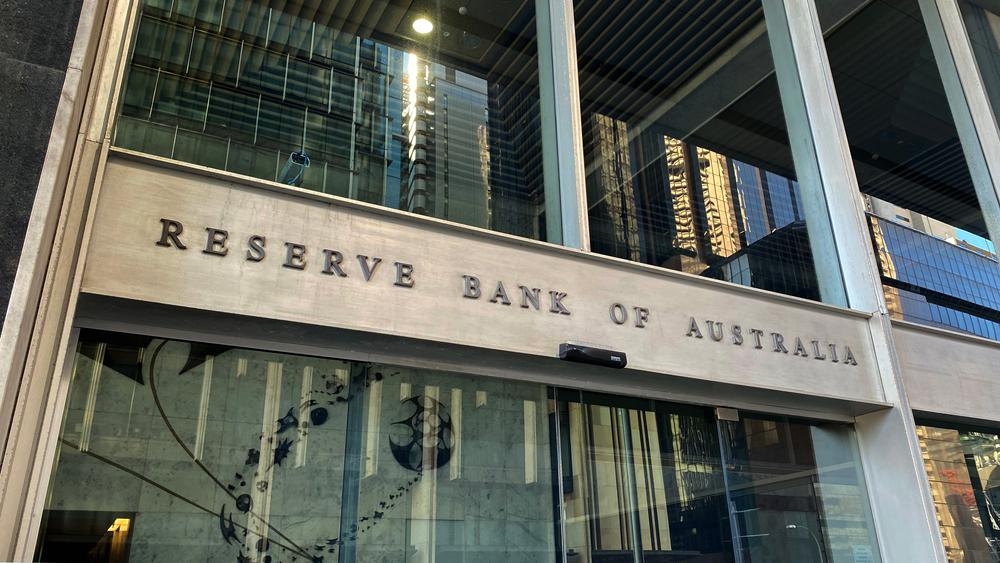
The Reserve Bank of Australia kept interest rates unchanged on Tuesday, maintaining its cash rate target at 3.60% as policymakers confront renewed inflation risks. The decision, widely expected by markets, marks the RBA’s fourth consecutive pause following a total of 75 basis points in rate cuts earlier in 2025. Despite holding steady, the central bank delivered a distinctly hawkish tone, signaling that persistent inflation could prompt future tightening.
In its statement, the RBA said recent economic data indicated inflation risks “tilted to the upside” and emphasized the need for more time to evaluate how entrenched these pressures may be. The board also pointed to uncertainties arising from the Australian Bureau of Statistics’ transition to a more comprehensive monthly CPI release. October’s CPI reading came in higher than anticipated, while core inflation continues to exceed the bank’s 2% to 3% target range.
The RBA reaffirmed its commitment to doing “what it considers necessary” to restore price stability, acknowledging that a slight easing in the labor market is expected. Still, the central bank highlighted improving domestic conditions, noting firmer private demand supported by stronger consumption and investment trends.
Earlier this year, the RBA initiated a mild easing cycle as Australia faced slowing growth and global economic concerns, particularly U.S. trade tensions. But with Australia’s new trade agreement with Washington and signs of stronger domestic demand, policymakers now face uncertainty over how restrictive current monetary policy remains.
Analysts at Capital Economics interpreted the RBA’s stance as notably hawkish, suggesting a rate hike could arrive as early as February if inflation and labor conditions fail to soften. AMP analysts similarly remarked that the messaging points to a prolonged hold on rates through next year, emphasizing that the December quarter CPI will play a crucial role in shaping the bank’s next move.







