


 Oil Prices Rise as Gulf Hurricane and Middle East Supply Risks Mount
  Asian Stocks Mixed as OpenAI Revenue Concerns Hit Chipmakers
  US Treasury Yields Ease After Strong 10-Year Auction as Global Bonds Struggle
  US Dollar Hits 18-Month High as Fed Signals More Rate Hikes
  Crypto Market Selloff Wipes Out $100B as Bitcoin Falls Below $83K
  Deutsche Bank CEO Urges Faster German Economic Reforms
  US, EU Push for Action Against Asia’s Excess Factory Capacity
  Mike Rogers Calls for End to US-Canada Tariff War
  Bangladesh GDP Growth Accelerates to 4.6% on Industrial Rebound
  Asian Currencies Steady as Dollar Eyes Fourth Weekly Gain
  Oil Prices Slip as Trump Rules Out Iran Strike Before Midterms
  Gold Prices Rise as Dollar Weakens, Treasury Yields Fall
  Deere, CNH and AGCO Stocks Fall as FTC Launches Farm Equipment Probe
  Dollar Near 18-Month High as Euro, Yen and Pound Weaken
  France to Release 10 Million Barrels of Diesel to Ease Fuel Prices
  Wall Street Falls as Fed Minutes Signal Another Rate Hike
  Gold Prices Fall as Fed Signals Another Rate Hike


 Add as a preferred source on Google
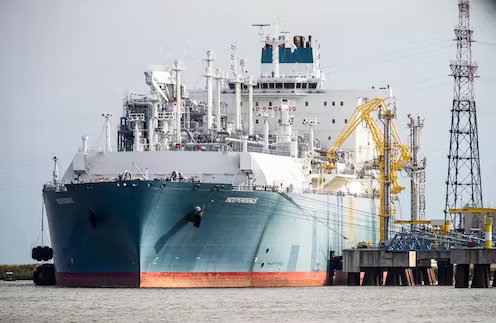
Qatar has emerged as one of the biggest economic casualties of the six-month U.S.-Iran war, with liquefied natural gas (LNG) exports plunging 96% as the conflict severely disrupts energy shipments through the Gulf.
The sharp decline has cost Qatar an estimated $24 billion in lost gas sales, according to Reuters calculations based on 2025 data. That amount is equivalent to roughly five months of the country's typical income, highlighting the significant economic impact of the conflict on one of the world's leading LNG exporters.
Other major Gulf energy producers, including Saudi Arabia, the United Arab Emirates, Iraq and Kuwait, have also suffered disruptions to oil exports. However, their losses have been considerably smaller, partly because some oil shipments have continued moving discreetly through the Strait of Hormuz.
Qatar has had far fewer options for maintaining LNG exports. Data from energy intelligence firm ICIS shows the country shipped only 18 LNG cargoes during the period, compared with 509 cargoes over the same timeframe last year. Two Qatari LNG tankers have also been attacked during the conflict.
State-owned QatarEnergy, the country's dominant LNG producer, did not immediately respond to a Reuters request for comment.
Before the U.S.-Iran war began, Qatar supplied approximately one-fifth of global daily LNG demand, making the collapse in Qatari exports a significant shock to international gas markets. Increased LNG shipments from the United States have helped compensate for some of the missing supply, limiting the immediate impact on global availability.
However, risks remain particularly high for Europe. European natural gas storage levels have fallen to a record low for this time of year, leaving the region increasingly vulnerable to supply shortages and higher gas prices.
A colder-than-normal winter could intensify pressure on Europe's energy market, especially if Qatar LNG exports remain severely restricted. Continued disruption around the Strait of Hormuz could therefore become a major factor influencing global LNG prices, European energy security and Gulf economies in the months ahead.







