


 Bachelet Pushes Forward With UN Secretary-General Bid Despite Chile's Withdrawal
  US-Iran Ceasefire Talks Underway: What You Need to Know
  U.S.-Iran Peace Talks Gain Momentum Amid Ongoing Conflict
  Cuba Receives Humanitarian Aid Convoy Amid U.S. Sanctions
  Russia-Iran Military Alliance Deepens With Drone Shipments Amid Middle East Tensions
  US Accelerates Taiwan Arms Deliveries Amid Rising China Threat
  Maduro Faces Rare Narcoterrorism Charges in U.S. Court
  Taiwan Arms Deal on Track Despite U.S.-China Summit Uncertainty
  Iran Demands Lebanon Be Part of Any Ceasefire Deal With Israel and the U.S.
  G7 Foreign Ministers Gather in France Amid Global Tensions and U.S. Policy Uncertainty
  WTO Reform Talks Begin in Cameroon Amid Global Trade Tensions
  Iran-U.S. Negotiations: Tehran Reviews American Peace Proposal Amid Ongoing Gulf Conflict
  Trump Administration Opens Two New Investigations Into Harvard Over Discrimination and Antisemitism
  Trump Backs Down on Iran Strikes After Gulf Allies Sound the Alarm
  Trump to Visit China in May for High-Stakes Xi Summit Amid Iran War
  Trump's Overhaul of American History: Museums, Monuments, and Cultural Institutions
  Israel Eyes Litani River as New Border Amid Escalating Lebanon Offensive


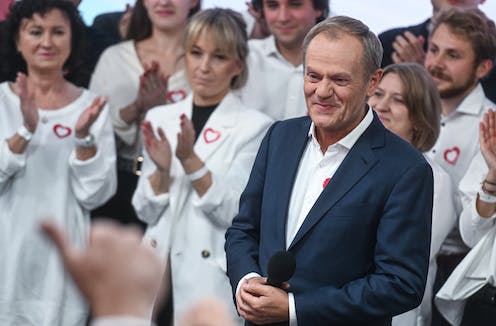
Poland’s presidential election has exposed rising anti-establishment sentiment, posing a challenge for Prime Minister Donald Tusk’s liberal coalition. In the first round, Warsaw Mayor Rafal Trzaskowski, a close Tusk ally, narrowly defeated conservative historian Karol Nawrocki, backed by the nationalist Law and Justice party (PiS).
Candidates from Tusk’s coalition secured just 40% of the vote, while far-right and radical parties surged with a record 21%. Trzaskowski, once a strong urban favorite, lost nearly 250,000 votes in Poland’s five largest cities compared to his 2020 performance. Political analyst Andrzej Rychard labeled the result a "yellow card" for Trzaskowski ahead of the June 1 runoff.
Victory for Trzaskowski could help Tusk advance promised democratic reforms and repair ties with the EU after eight years of PiS rule. A Nawrocki win, however, may block such reforms and hinder efforts to support Ukraine and reverse Poland’s near-total abortion ban. Despite PiS’s dominance in recent years, Nawrocki’s 29.5% result fell short of expectations.
Far-right Confederation and radical-left candidates outperformed previous elections, tapping into voter disillusionment with mainstream parties. Economic stagnation, high inflation, and unmet expectations of EU-driven prosperity have fueled public frustration. According to Krzysztof Izdebski of the Batory Foundation, the vote showed a lack of confidence in the current government’s reform progress.
Trzaskowski has attempted to present himself as independent from Tusk’s administration. His campaign now targets younger voters, a decisive demographic. Exit polls showed 73% turnout among voters under 30. Far-right candidate Slawomir Mentzen led this group with 36%, while leftist Adrian Zandberg drew nearly 20%.
The runoff will test whether Poland leans toward liberal reform or shifts further toward populist politics amid a broader European trend.













