


 Samsung to Invest $1.5 Billion in Vietnam Semiconductor Testing Plant by 2027
  Nvidia and Microsoft to Launch AI-Powered Windows PCs at Computex 2026
  SpaceX IPO Could Become Largest in History with $1.8 Trillion Valuation Target
  Autodesk Beats Q1 Estimates, Acquires MaintainX for $3.6 Billion
  SK Hynix Joins $1 Trillion Club as AI Chip Demand Fuels Stock Surge
  Australia Sues 3M for Over A$2 Billion Over PFAS Firefighting Foam Contamination
  Snowflake Stock Soars 30% After Q1 Earnings Beat and Major AWS AI Partnership
  Marvell Stock Rises After Record Q1 FY2027 Earnings Fueled by AI Demand
  Meta AI Push Could Add $26 Billion in Revenue by 2027, Wolfe Research Says
  Mega IPOs Like SpaceX and OpenAI Could Reshape S&P 500 and Nasdaq 100 Portfolios in 2026
  Samsung Union Dispute Escalates Over Semiconductor Bonus Vote
  Synopsys Q2 FY2026 Earnings Beat Driven by AI and Semiconductor Demand
  Sable Offshore Wins Key Court Battle Over California Oil Pipeline
  Blue Origin New Glenn Rocket Explodes During Launch Pad Test, Delaying Space Ambitions
  JPMorgan Sees Biotech Sector at Turning Point, Upgrades Top Pharma Stocks
  Universal Music Group Rejects Pershing Square Takeover Proposal
  Samsung Workers Approve Wage Deal, Avoiding Major Strike and Boosting Chip Supply Confidence


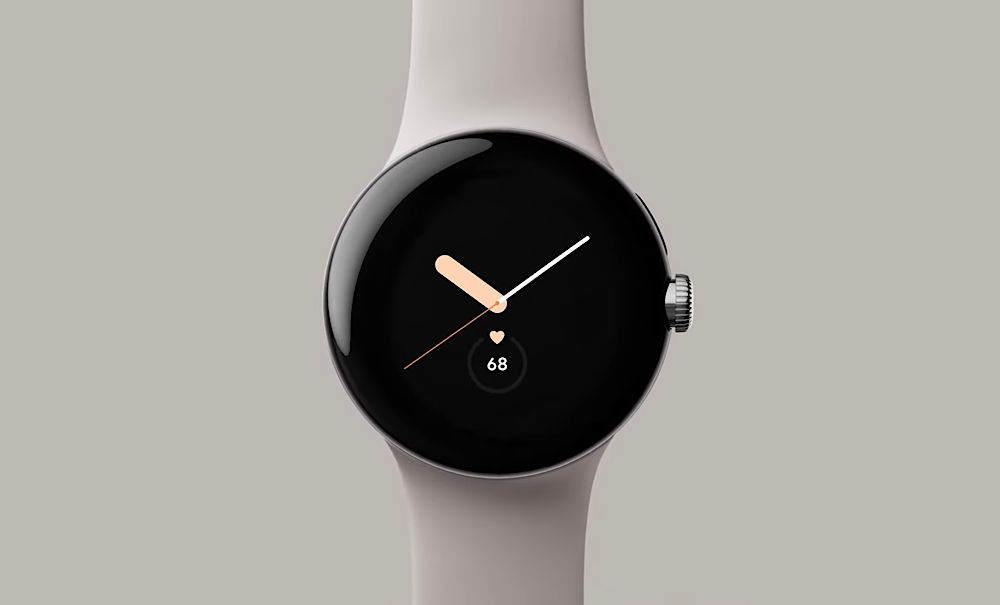
Google confirmed that the Wear OS would receive the same annual update treatment the Android operating system gets following the unveiling of the Pixel Watch last week. It means Google’s first in-house smartwatch will receive at least three versions of the Wear OS in the years to come.
The Wear OS went through somewhat of a rebirth last year. Apart from changing its name from Android Wear, Google also announced its partnership with Samsung to co-develop Wear OS as a “unified platform.” Now that Google has brought the Pixel Watch to the market, the company confirmed Wear OS would receive regular updates every year.
“Our goal is, from a platform perspective, for us to release a new version of Wear generally every year in a similar fashion to mobile, partly because we need to support mobile," Wear OS product management director Björn Kilburn told Wired. “If new functionalities added in Android are critical for watches and hearables, then we've got to find a way to get it into the watch.” Aside from a new version launching annually, Wear OS will also receive updates every quarter to add “new experiences” to the platform.
How Google will name the annual version of Wear OS is still unclear. New versions of Android used to launch with dessert-themed names until Google switched to a simpler numbering scheme in 2019, and it remains to be seen if the same approach will be used for Wear OS.
Similar to Android, the availability of over-the-air updates for new versions of Wear OS will also depend on every manufacturer starting in Wear OS 3. This means some smartwatch brands (like the Pixel Watch) will likely receive new versions and the latest updates earlier than others.
Shortly after the Pixel Watch launched, Google published a support page confirming that the smartwatch would receive at least three years of software updates. It means users can expect to get the new versions of Wear OS through October 2025.
Google is now accepting Pixel Watch pre-orders and has confirmed the device will ship to nine countries, including Australia, Canada, France, Germany, Ireland, Japan, Taiwan, the United States, and the United Kingdom. Its Bluetooth/Wi-Fi variant is available starting at $349, while its LTE version costs $399.







