Elon Musk Ties SpaceX IPO Access to Mandatory Grok AI Subscriptions
  KPMG UK Cuts 440 Audit Jobs Amid Low Attrition and Cooling Professional Services Demand
  SoftwareONE Posts 22.5% Revenue Surge in 2025 on Crayon Acquisition
  Microsoft Eyes $7B Texas Energy Deal to Power AI Data Centers
  Tesla Q1 2026 Deliveries Miss Estimates as AI Strategy Takes Center Stage
  Ukrainian Drones and the #MadeByHousewives Movement: Kyiv Fires Back at Rheinmetall CEO
  Star Entertainment Secures $390M Refinancing Deal to Stabilize Operations
  Eli Lilly and Insilico Medicine Forge $2.75 Billion AI-Driven Drug Discovery Deal
  Fonterra Admits Anchor Butter "Grass-Fed" Label Misled Consumers After Greenpeace Lawsuit
  First Western Ship Transits Strait of Hormuz Since Iran War Began
  Annie Altman Amends Sexual Abuse Lawsuit Against OpenAI CEO Sam Altman
  Trump Administration Plans 100% Tariffs on Pharmaceutical Imports
  Private Credit Under Pressure: Is a Slow-Motion Crisis Unfolding?
  TSMC Japan's Second Fab to Produce 3nm Chips by 2028
  Cathay Pacific Holds Firm on Flight Capacity Amid Middle East Conflict and Rising Fuel Costs
  MATCH Act Targets ASML and Chinese Chipmakers in New U.S. Export Crackdown
  Microsoft's $10 Billion Japan Investment: AI Infrastructure and Data Sovereignty Push


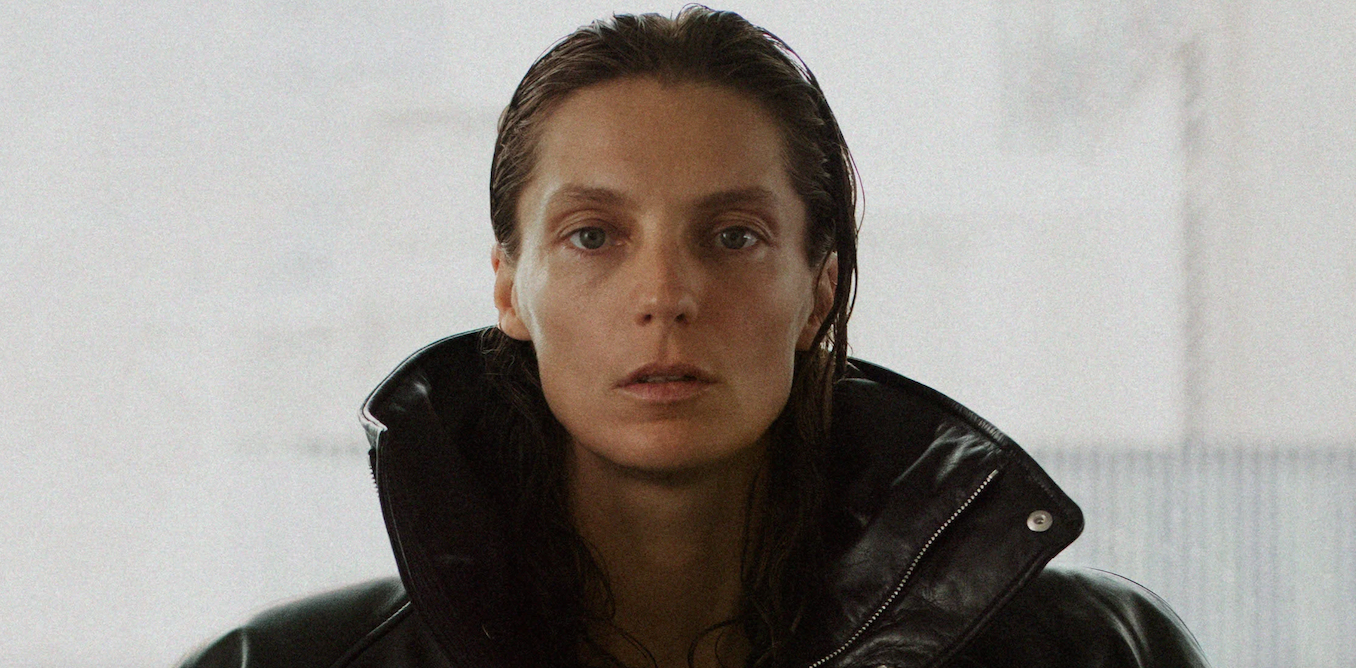

British luxury fashion designer Phoebe Philo OBE, debuted her long-anticipated eponymous label to critical acclaim at the end of October. Despite the eye-watering price tags, the small range of clothing, accessories, jewellery and footwear – only available on the Phoebe Philo website – virtually sold out within hours.
But Philo is no stranger to fashion frenzies. Her 2005 Paddington bag, created during her tenure as creative director at French designer Chloé, became an instant and enduring “It bag” that sold out before it even hit the shelves.
Having stepped out of the fashion limelight in 2017, Philo has spent the past two years building anticipation for her return, initially teasing her hordes of loyal fashion fans – known as “Philophiles” – by announcing as long ago as 2021 that she was working on her own brand launch.
In June 2023 a post on her Instagram account stated the “inaugural collection will be revealed and available in September 2023”. Registration opened in July, but the launch was delayed until October 30, so the first that most people saw of the collection was when it went live on her website.
In today’s era of 24-7 social media content, old marques are revived and new fashion brands are launched supported by expensive marketing campaigns. These leverage the celebrity power of influencers and brand ambassadors, social media posts, advertising and editorial photo shoots, runway shows and red carpet appearances.
In the absence of this kind of 360-degree marketing, and in the fickle and fast-moving world of fashion, how did Philo manage to maintain her profile during her hiatus and then virtually sell out within hours of her new brand launch? Not to mention ensuring that social media and the world’s fashion press are all abuzz with talk of her return?
British wunderkind
Philo trained at London’s Central Saint Martins College, graduating in 1996 a year after Stella McCartney who she later joined as assistant for ready-to-wear collections at French luxury house Chloé. McCartney was Chloé’s creative director from 1997 to 2001 and when she left, Philo took over, leading the house until 2006.
Under Philo, Chloé became the go-to label for the cool, fashion-conscious woman, with her blending of bohemian floaty fabrics with tailored pieces. A fashion house’s creative director sets the tone for its collections and often, as in Philo’s case, embodies the ideal brand customer. Her fans wanted to be dressed by her so as to be like her, generating an estimated $300 million for Chloé’s owners Richemont.
With sales predicted to rise, it must have been challenging when Philo took an official extended maternity leave, and later resigned from Chloé, citing a desire to spend more time with her young family.
For most of us, Parisian luxury labels are the stuff of fashion fantasies, symbolised by the glamorous lifestyles of the rich and famous. But behind the fantasy, luxury fashion is big business. Bernard Arnault, founder, chairman and CEO of the world’s largest luxury goods company LVMH (Louis Vuitton Moët Hennessy) topped the world’s richest list in 2022 with an estimated net worth of US$187.6 billion (£152.8 bn) in October 2023.
In luxury fashion, sales of handbags drive profits, and designers who can deliver a big-selling “It bag” keep the backers happy. So, it made perfect business sense when LVMH made Philo creative director and board member of the French Maison Céline in 2008.
During her decade there Philo honed her pared-back luxury aesthetic becoming the fashionistas’ fashionista, making the brand both critically and financially successful, including producing several bestselling handbags. Philo promoted intelligent dressing and shared her admiration for cultural icons, such as American novelist and essayist Joan Didion who featured in a 2015 campaign. Named International Designer of the Year by the the Council of Fashion Designers of America (CFDA) in 2011, by 2014 Philo was named as one of Time Magazine’s 100 most influential people.
According to her entry on the Business of Fashion’s top 500, “Phoebe Philo’s work at Céline redefined what women aspire to wear.” Her look trickled down, the silhouettes and colour palettes inspiring and informing the fashion of popular high-street brands.
After ten years at Céline, Philo presented her final collection at Paris Fashion Week in March 2018 – but, despite stepping back from the industry, her aesthetic lived on thanks to tribute social media accounts such as @oldceline dedicated to the memory of Philo’s star pieces.
Philo’s “seasonless” debut collection features ready-to-wear, leather goods and accessories, and feels very much like a continuation of her work at Céline. Alongside tailored wardrobe classics in colours such as dusky pink and “shroom”, standout pieces include a shearling sheepskin coat, hand-combed embroidered dresses and separates, an oversized biker jacket, statement sunglasses, square-toed shoes, an oversized Cabas tote bag and a “Mum” bracelet and necklace available in gold or silver.
With high prices, quality materials, limited and local production runs, Philo’s new venture perfectly chimes with the current trends of sustainable “quiet luxury” investing in high-quality, minimalist and timeless pieces, signalling just enough for those who know.