


 WTO Reform Talks Begin in Cameroon Amid Global Trade Tensions
  ECB Eyes Rate Hike Amid Iran Conflict-Driven Energy Price Surge
  Nanya Technology Shares Surge 10% After $2.5 Billion Private Placement from Sandisk and Cisco
  How to create a thriving forest, not box-checking ‘tree cover’
  SMIC Allegedly Supplies Chipmaking Tools to Iran's Military, U.S. Officials Warn
  LA fires: Fast wildfires are more destructive and harder to contain
  Unilever and Magnum Face Defamation Lawsuit Over Ben & Jerry's Board Chair Dismissal
  Brown-Forman and Pernod Ricard in Merger Talks to Create World's Largest Spirits Giant
  Nintendo Switch 2 Production Cut as Holiday Sales Miss Targets
  Nomura Upgrades PDD Holdings to Buy, Calls Stock Too Cheap to Ignore
  Extreme heat, flooding, wildfires – Colorado’s formerly incarcerated people on the hazards they faced behind bars
  The UK is surprisingly short of water – but more reservoirs aren’t the answer


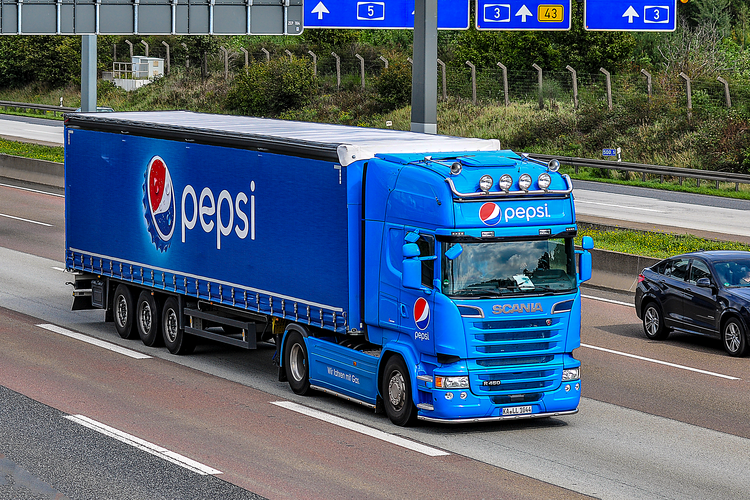
PepsiCo will convert over 40,000 liters of used oil into hydrotreated vegetable oil (HVO) at its snack plant in Burgos, Spain, which will power the company’s fleet of lorries that transport PepsiCo products.
The HVO use is estimated to save 380 metric tonnes of CO2 per year.
HVO is a 100% vegetable-based biofuel said to be able to reduce CO2 emissions by up to 90%, however, its availability is limited.
PepsiCo’s primary, secondary, and fleet transport accounts for 11% of its emissions in Spain, Italy, and Portugal.
PepsiCo is promoting and extending HVO use to eliminate the use of diesel in the medium term.
The company has also launched a pilot test in collaboration with Spanish supermarket chain Dia for transport with ‘duo trailer’ trucks, which function “like a train carriage” and transport up to six tons of snacks.
Javier Pérez Martínez, head of sustainable transport for PepsiCo Europe, said they are doing their bit to reduce greenhouse gases and advance their sustainability strategy.







