


 Seven & i Eyes Żabka Stake in Major European Expansion Push
  Sodexo Unveils Shift & Grow 2030 Strategy, Targets Over 5% Revenue Growth by Fiscal 2030
  Volvo Cars Q2 Profit Falls as Automaker Bets on EX60 EV to Drive Recovery
  Sam Altman Admits OpenAI Missteps, Promises Major AI Comeback Focused on User Freedom
  Volkswagen Launches €28,000 ID. Cross EV as Europe’s Electric Vehicle Demand Accelerates
  Alibaba Stock Jumps as China Approves Apple Intelligence Powered by Qwen AI
  Apple Intelligence Cleared for China as Alibaba and Baidu AI Power iPhone Features
  Eli Lilly Eyes AtaiBeckley Acquisition to Expand Psychedelic Mental Health Pipeline
  SpaceX Stock Falls Below IPO Price as Investors Weigh Losses and Lockup Expiry
  Uber to Acquire Delivery Hero in $14.8 Billion Deal to Expand Global Food Delivery Business
  Trump Criticizes ABC, NBC and CNN for Limiting Coverage of Election Speech
  Mikron H1 2026 Sales Fall 5.9% as Automation Weakness Weighs on Profit
  Apple Intelligence China Approval Lifts Alibaba and Baidu Shares
  GameStop Raises eBay Stake to 9.8% as Ryan Cohen Pushes $56 Billion Takeover Bid
  Jamie Dimon Warns Anthropic's Mythos AI Poses National Security Risks
  PayPal Rejects $53 Billion Stripe-Advent Takeover Offer as Too Low: Report
  Netflix Stock Drops After Weak Q3 Outlook Overshadows Mixed Q2 Earnings


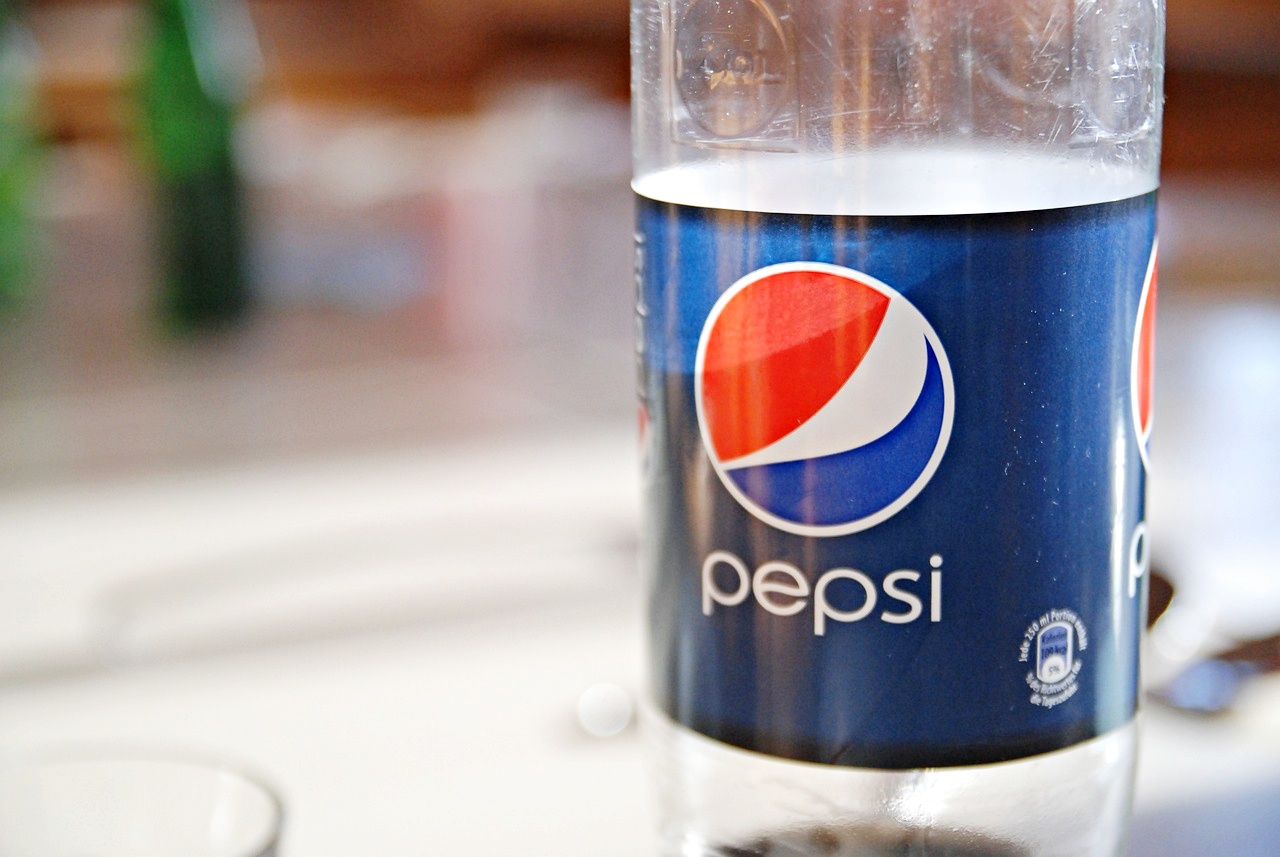
PepsiCo Inc. unveiled its plans to make its manufacturing plant in Northern Spain its first facility to reach net-zero emissions by the year 2025. The American food and beverage company said this is a global project that aims to reduce the carbon it discharges during production.
According to The Manufacturer, the PepsiCo plant is located in Álava, Basque Country, and mainly produces beverages such as the company’s own Pepsi soda and local brands - KAS and Bitter KAS. To achieve net zero emissions next year, the company boosted its electrification for the plant’s operations.
Electrification of Operations Led to Lower Carbon Emissions
The beverage manufacturer said that through electrification, it was able to eliminate about 1,849 tonnes of carbon per year. This production process at the plant in Spain has been using electricity from renewable sources since 2015.
Moreover, through this decarbonization project, PepsiCo said natural gas would be replaced by electric energy. As this continues, the company is confident it will reach its goal of 100% electrification of its plants after the two-year pilot program.
PepsiCo to Expand Its Sustainable Program for Its Global Facilities
PepsiCo’s announcement of the net-zero emission goal for its Spain plant comes after launching its most sustainable factory in Poland last year. Its Środa Śląska facility has been using new sustainability solutions such as rainwater collection for reuse and installing solar panels on the rooftop to generate its own energy.
This plant is expected to be climate-neutral by 2035. PepsiCo will strive to make all of its plants around the world environmentally friendly.
“I am tremendously proud that our beverage plant in Álava aims to become the first in our company worldwide to have net-zero emissions next year," ESG Today quoted PepsiCo Southwestern Eorope’s general manager, Pol Codina, as saying. “This brilliant news coincides with a very special date for us, our 50th anniversary. We are aware that we still have a long way to go to decarbonize our entire value chain and, to do so, we hope to be able to count on the maximum collaboration of all our partners.”
Photo by: Pascua Theus/Pixabay







