


 US-Iran Ceasefire Under Pressure as Fresh Strait of Hormuz Clashes Shake Oil Markets
  Trump Says U.S. Navy Destroyers Passed Strait of Hormuz Under Iranian Fire
  Trump Reportedly Approves Plan to Remove FDA Commissioner Marty Makary Amid Growing Controversies
  Trump Inspects Lincoln Memorial Reflecting Pool Renovation in Washington
  Vietnam Plans AI-Driven Propaganda Push With Influencers and Podcasts
  CDC Monitors U.S. Travelers After Hantavirus Outbreak on Luxury Cruise Ship
  China-Made Fireworks Power U.S. Independence Day Celebrations Amid Trade Truce
  Australia’s Wealthy Donors Shift Support to One Nation Amid Conservative Party Decline
  Australia Targets Meta, Google, and TikTok With New News Payment Tax Proposal
  Ukraine-Russia Ceasefire Confirmed as Prisoner Swap Deal Advances
  China Banks Halt New Loans to Sanctioned Refineries Amid U.S.-Iran Oil Crackdown
  Iran Accuses U.S. of Violating Strait of Hormuz Ceasefire with Ship and Coastal Attacks
  Rubio Presses Italy Over Iran Support as Tensions Test U.S.-Italy Alliance
  U.S., South Korea Launch Shipbuilding Partnership Initiative
  U.S. Fast-Tracks $8.6 Billion Arms Sales to Middle East Allies Amid Rising Tensions
  US to Withdraw 5,000 Troops from Germany Amid Growing Rift with European Allies
  Pope Leo Calls for Peace as Vatican Seeks Better Ties With U.S.


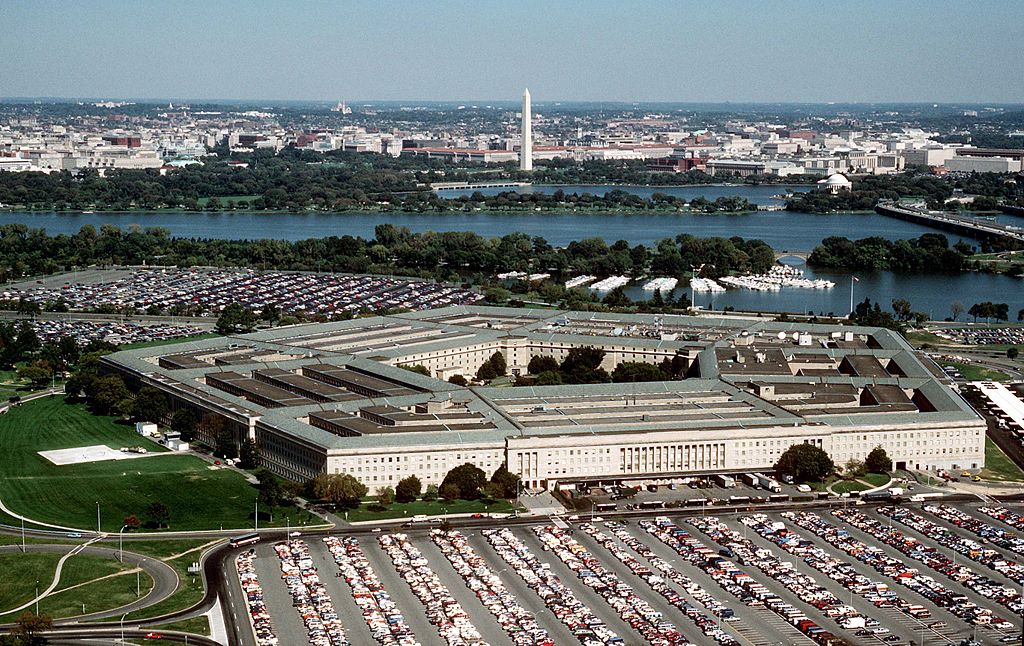
Dozens of journalists covering the U.S. Defense Department vacated their Pentagon offices this week after new restrictions on media access took effect, marking a major shift in how reporters interact with the military. The Defense Department imposed a deadline for outlets to sign a new Pentagon access policy or lose credentials and workspace privileges. At least 30 organizations—including Reuters—refused to comply, calling the policy a threat to press freedom and transparency.
The updated rules require journalists to acknowledge that they could be labeled as security risks and have their credentials revoked if they seek information—classified or certain types of unclassified—from Pentagon employees. The Pentagon Press Association, representing over 100 outlets, condemned the move as “a dark day for press freedom,” warning that it undermines public accountability and free speech.
Chief Pentagon spokesperson Sean Parnell defended the policy, saying it only requires acknowledgment, not agreement. “This has caused reporters to have a full-blown meltdown,” he said, insisting the policy protects troops and national security.
Reporters described the Pentagon’s press area as eerily quiet on Wednesday as teams dismantled offices and removed equipment. Veteran journalist JJ Green from WTOP noted he had “never seen that place not buzzing like a beehive.” Others, like Defense News’ Stephen Losey, stressed that reporters have always respected classified boundaries.
Despite the restrictions, many journalists vowed to continue reporting on U.S. military affairs. One Pentagon Press Association member noted the irony of the policy, saying, “We’re not discussing controlled information in hallways—we’re doing it over encrypted apps like Signal.”
The new rules reflect growing tension between the Pentagon and the press under Defense Secretary Pete Hegseth, a former Fox News host—whose own network has also refused to sign the policy.







