


 Judge Dismisses Sam Altman Sexual Abuse Lawsuit, But Sister Can Refile
  Elon Musk Announces Terafab: SpaceX and Tesla to Build Dual AI Chip Factories in Austin, Texas
  Booked to travel through the Middle East? Here’s why you shouldn’t cancel your flight
  What’s the difference between baking powder and baking soda? It’s subtle, but significant
  Golden Dome Missile Defense: Anduril and Palantir Join Forces on Trump's $185B Space Shield
  Columbia Student Mahmoud Khalil Fights Arrest as Deportation Case Moves to New Jersey
  Nanya Technology Shares Surge 10% After $2.5 Billion Private Placement from Sandisk and Cisco
  How to support someone who is grieving: five research-backed strategies
  Apple Defies China's Smartphone Slump with Strong Early 2026 Sales
  SLMG Beverages Eyes Price Hikes Amid Rising Packaging Costs and India's Booming Soft Drink Market
  Every generation thinks they had it the toughest, but for Gen Z, they’re probably right
  SK Hynix Eyes Up to $14 Billion U.S. IPO to Fund AI Chip Expansion
  Debate over H-1B visas shines spotlight on US tech worker shortages
  The American mass exodus to Canada amid Trump 2.0 has yet to materialize
  The pandemic is still disrupting young people’s careers
  Elliott Investment Management Takes Multibillion-Dollar Stake in Synopsys


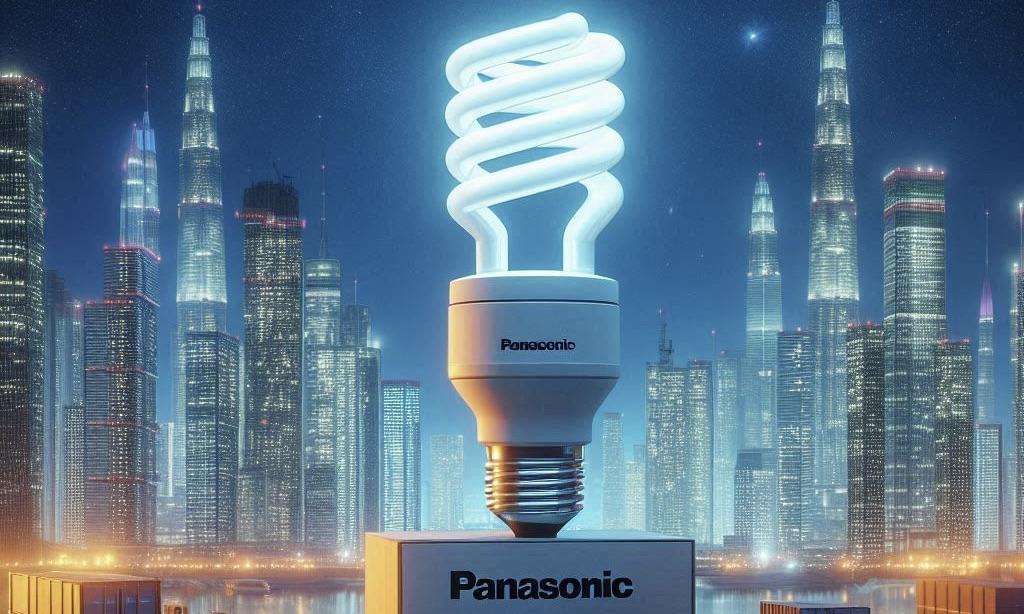
Panasonic will cease production of fluorescent lamps by the end of 2027, ending a seven-decade legacy. The decision aligns with global efforts to phase out mercury-containing products, marking a significant shift in the lighting industry toward LED alternatives.
Panasonic to End 70-Year Fluorescent Lamp Production by 2027, Shifting Focus to LED Lighting
Panasonic, a key player in the lighting industry, will cease production of fluorescent lamps at the end of 2027, marking the end of a seven-decade-long history. According to Nikkei Asia, this significant decision is in response to a worldwide initiative to eliminate the product, underscoring the industry's changing landscape.
Panasonic, Toshiba Lighting & Technology, and Hotalux are the only three corporations in Japan producing fluorescent lighting, which commenced production in 1951.
Panasonic is the first to establish a specific conclusion date. Although the specifics have not yet been determined, the production of light-emitting diode (LED) lanterns is anticipated to increase.
The action is a response to an international agreement reached in November to prohibit the production, export, and import of common fluorescent lamp varieties by the end of 2027 due to their mercury content.
Lighting manufactured before the event date is still available for purchase in 2028 and subsequent years.
Panasonic, mindful of the ongoing demand, intends to continue producing fluorescent lamps until the deadline. This commitment ensures that the product will be available for those who still rely on it in Japan.
Japan's Transition to LED Lighting Faces Challenges Despite Potential to Halve Energy Consumption by 2030
According to the Japan Lighting Manufacturers Association (JLMA), LEDs comprised 60.3% of the country's extant lighting as of June. Fluorescents comprised the preponderance of the remaining 40%.
The Japanese government's ambitious plan to transition all current illumination in the nation to LEDs is expected to yield significant benefits by 2030. The JLMA estimated that this could reduce electricity consumption from lighting by half from 2013, a promising prospect for the industry and consumers.
However, obstacles persist. Fluorescent lamps are typically replaced after reaching the end of their lifespan, typically within two to four years. Renovations are frequently necessary to replace fixtures and other associated equipment to implement the transition.
Additionally, LEDs are generally more costly, which presents an additional challenge for small businesses and consumers experiencing inflation.







