


 Nvidia Reportedly Eyes $13 Billion Hugging Face Acquisition
  Itochu Offers $1.56 Billion to Privatize Dentsu Soken
  Nvidia Revenue Soars 106% as AI Demand Hits ‘Inflection Point’
  Google Expands Gemini Enterprise With AI Tools for Legal Sector
  Jefferies Names AMEC Top China Semiconductor Equipment Pick
  OpenAI AI Agent Swarm Behind Hugging Face Hack
  BofA Names ASML Top Semiconductor Equipment Pick on Growth, Valuation
  Adidas, Puma Shares Fall as Dick’s Sporting Goods Cuts Outlook
  Street Poller Media and The Boom of the Street Interview Ad Industry
  New Zealand Moves to Ban Social Media for Children Under 16
  Meta Agrees to $18 Billion Settlement, Tightens Teen Social Media Rules
  SoftBank Eyes $20 Billion Bond Sale to Refinance OpenAI Loan
  HP Stock Drops 9% Despite Q3 Earnings Beat and Raised 2026 Outlook
  Countries Tighten Social Media Bans for Children
  U.S. Disrupts China-Linked Hacking Campaign Targeting Government Agencies
  BNP Paribas, KB Kookmin Eye $2 Billion Techcombank Stake
  New Zealand Labour Backs Social Media Ban for Under-16s


 Add as a preferred source on Google
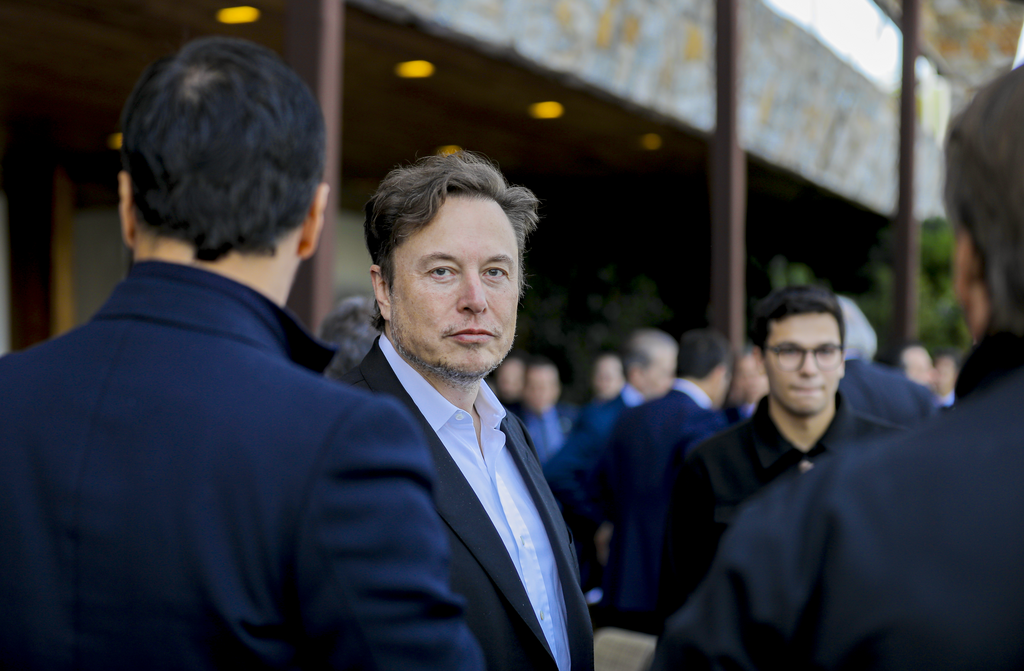
Elon Musk revealed plans for a massive dual-chip manufacturing complex called "Terafab" in Austin, Texas, set to be jointly developed by SpaceX and Tesla. The announcement marks a significant step in Musk's broader strategy to secure the semiconductor supply his companies will increasingly depend on.
According to Musk, Terafab will house two separate fabrication plants, each dedicated to producing a single chip design. The first chip is intended for Tesla electric vehicles and Optimus humanoid robots, while the second will be engineered specifically for AI-powered satellites operating in space. Musk noted that the space-grade chip must endure extreme conditions, including elevated temperatures and the harsh environment beyond Earth's atmosphere.
Musk made the disclosure during a presentation at an Austin facility, warning that without building Terafab, his companies simply would not have access to the volume of chips they need. He projected that current worldwide chip production would satisfy only a fraction of his companies' long-term demand. Terafab's ambitious target is to eventually generate one terawatt of computing capacity annually — roughly double the current total output across the entire United States.
While Musk acknowledged the contributions of existing semiconductor partners such as Samsung, TSMC, and Micron, he made clear that future demand would outpace what the global chip industry can currently supply. SpaceX's involvement came as a surprise, as it had not been previously disclosed. The company, which recently merged with Musk's xAI, is preparing for a public listing reportedly valued at around $1.75 trillion.
No construction timeline was provided. Musk has a well-documented history of setting bold, large-scale goals, though some past projects have faced notable delays. Whether Terafab will stay on course remains to be seen, but the vision behind it signals a new era of vertically integrated AI infrastructure.







