


 Sika Raises 2026 Sales Outlook After Strong First-Half Results Beat Expectations
  Starbucks Stock Jumps as Q3 Earnings Beat, Sales Growth Drives Higher 2026 Outlook
  Robinhood Q2 Earnings Beat Estimates, But HOOD Stock Falls as Investors Question Profit Quality
  Standard Chartered Beats Profit Forecasts as First-Half Earnings Rise 9%
  Seagate Stock Jumps as AI-Fueled Earnings Beat and Strong FY2027 Outlook Impress Investors
  Philips Shares Slide 10% Despite Earnings Beat as Weak Orders Raise Growth Concerns
  Air Liquide Q2 Sales Growth Tops Forecast as Electronics Business Drives Strong Performance
  Meta Stock Drops After Earnings Miss as AI Spending and Legal Costs Weigh on Profit
  SpaceX Wins $1.6 Billion U.S. Space Force Launch Contracts for Falcon 9 Missions Through 2027
  TeamViewer Shares Fall Despite Profit Growth as ARR and Customer Base Decline
  SK Hynix Q2 Profit Hits Record as AI Memory Chip Demand Fuels Growth
  OpenAI Revenue Surges After GPT-5.6 Launch as IPO Expectations Grow
  Microsoft Stock Jumps as Azure Growth, AI Revenue Beat Expectations
  Rio Tinto Stock Jumps as Strong Earnings, Higher Dividend and AI Metal Demand Boost Outlook
  Qualcomm Stock Falls as Weak Q4 Forecast, Apple Revenue Decline Overshadow AI Data Center Growth
  GSK Unveils $2.52 Billion Cost-Cutting Plan to Accelerate Drug Pipeline
  TSMC Gradually Restarts Japan Chip Plant After Kumamoto Earthquake


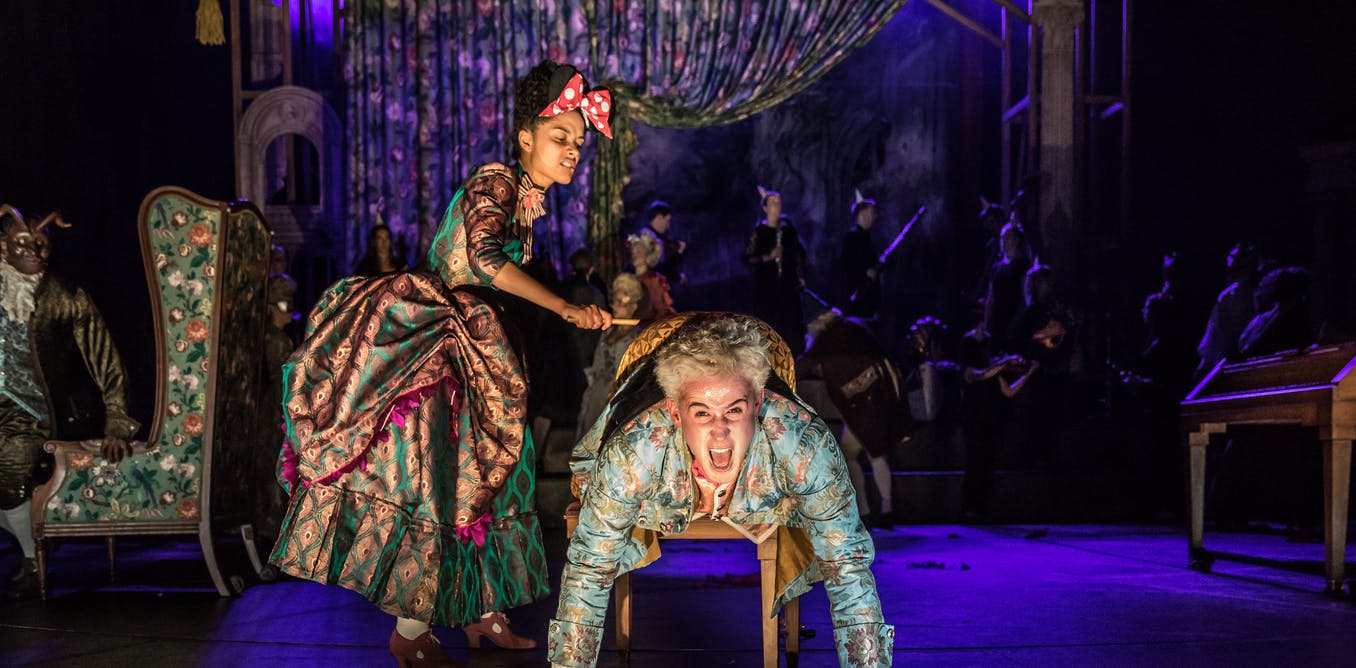

From classic Andrew Lloyd Webber plays to the release of a recording of the original cast of Hamilton, theatre lovers have been able to stream the best of the stage at home during lockdown.
Digital streaming has been a welcome stand-in while live performances haven’t been possible. However, as pubs and restaurants start to reopen this weekend, theatre managers have been looking around their stalls and realising how few audience members they can safely get in the building. Crowds of 2,000 are still a long way off, so theatre is likely to stay on our screens for a long time to come.
While streaming has proven popular, making theatre accessible to a wider audience across the country, it raises the question how it can help live theatre’s return and what role it might play once it’s back.
One particular success has been National Theatre at Home its production of Richard Bean’s One Man, Two Guvnors. The National Theatre was in an enviable position of having a treasure trove of recorded shows ready to go, thanks to their highly successful NT Live programme. The project, launched in 2009, involved the broadcast of their productions to cinemas and arts institutions in the UK and internationally.
Other theatre companies were not so ready and have had to change and adapt to new digital practices. Some have done this in really inventive ways, such as Sheffield’s Unshut Theatre. Their 2020 festival features an array of works made for a socially distanced world. Performances are happening through the post, by podcasts, on Zoom, on game streaming platform Twitch and even Animal Crossing. Each of these explores new ways to include audiences in the performance when they can’t be in the same room.
Reaching new audiences?
With the government’s (controversial) advice that one of the next steps of unlocking the arts will be audience-less performances, we’ll probably start to see more live streaming of shows. They might not be as well-produced as the National Theatre’s recordings but will make up for that in being a communal, instantaneous experience.
As an audience researcher, I regularly hear lots of the reasons why people just can’t go to arts events. It’s too expensive, too far, I can’t get a babysitter, I don’t know if it will be any good, I don’t have anyone to go with, I don’t know how to behave, I’ll feel out of place and people will judge me for being there.
Digital performances have the potential to open up access to the theatre to much wider populations. You can watch it at home after the kids have gone to bed. You can watch it in chunks when you have a bit of free time. If it’s rubbish, you can just turn it off without having to waste any money. You don’t have to be in London or other urban arts centres. And there is no one else in the audience to make you feel like you don’t belong.
We don’t yet know if digital works are changing the make-up of the audience for theatre – but research is being carried out.
Keeping theatre alive online
While free access to content could be great for building new audiences, this business model is unsustainable. Actors and people behind-the-scenes need paying, broadcast technology is expensive, and without people writing new plays, theatre will stagnate.
There is no real consensus yet on how to monetise online performances while keeping it accessible. However, some have asked for donations for new zoom material, like New Diorama theatre in London. While others are charging a nominal fee, like Sadler’s Wells who is asking for £5 to view a new film of the last rehearsal before lockdown of Pina Bausch’s The Rite of Spring in Senegal.
We’re also in danger of reaching – or already having surpassed – saturation point for online content. Standing out in a busy online world is becoming more and more difficult as productions from around the world compete for audiences. It’s a far cry from the normal choice between a few local theatres.
All this means that we’re at risk of de-localising arts provision. If an unlimited number of people can watch high-quality online performances from the National Theatre, what appetite will there be for fringe theatre made on a shoestring budget?
Research shows that we shouldn’t be too worried about digital theatre taking over. The hushed excitement before it starts, the thrill of watching a one-off event, talking about it with friends in the bar afterwards – live theatre has an appeal that is hard to replicate online. However, venues, theatre companies and freelancers need additional support from the government until theatres can welcome back audiences fully.
Where digital works best, therefore, is when it functions not as a substitute for live performance, but as a means of creating work that is only possible via an online platform. Digital work which meets participants where they are (like their Animal Crossing island) and allows them to actively participate on their terms is likely to be a part of life beyond lockdown.







