


 Philips Shares Slide 10% Despite Earnings Beat as Weak Orders Raise Growth Concerns
  Tech Stock Positioning Nears Neutral as Investor Rotation Enters Final Phase, Deutsche Bank Says
  TeamViewer Shares Fall Despite Profit Growth as ARR and Customer Base Decline
  FDA Investigates New Cyclospora Outbreak as U.S. Cases Continue to Rise
  Galp Shares Fall After Q2 EBITDA Miss Despite Profit Beat and Higher Dividend
  BHP, Port Hedland Unions Fail to Reach Wage Deal as Negotiations Continue
  TrumpRx Expands Discount Drug Access With 600 Generic Medications
  Venezuela Earthquake Health Risks Rise as Disease Monitoring Intensifies
  CDC Monitors 41 Americans After Andes Hantavirus Outbreak on Luxury Cruise Ship
  Seagate Stock Jumps as AI-Fueled Earnings Beat and Strong FY2027 Outlook Impress Investors
  CATL Shares Jump as $5.6 Billion Buyback Signals Confidence in Long-Term Growth
  Exosens H1 Profit Beats Forecasts as Defense Demand Drives Growth
  Zhongji Innolight Raises $6.8 Billion in Hong Kong IPO as AI Demand Fuels Growth
  Nvidia Eyes $250B Guarantee for OpenAI’s Massive Ohio AI Data Center Project
  Meta CEO Zuckerberg Opposes U.S. Ban on Chinese AI Models, Warns Against Overregulation
  Unilever Raises 2026 Sales Outlook After Strong Q2 Volume Growth


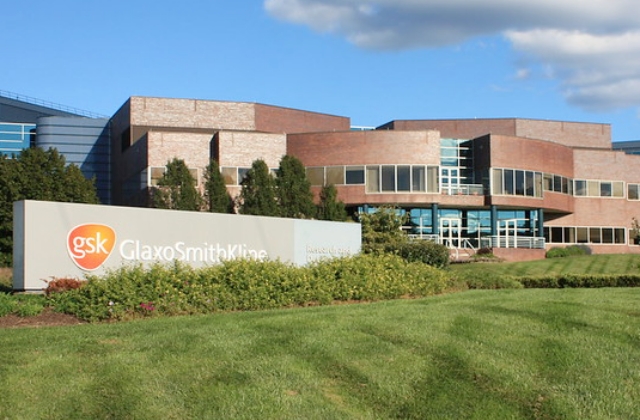
GSK has announced a £1.9 billion ($2.52 billion) cost-savings initiative aimed at accelerating drug development and strengthening its long-term growth strategy as the British pharmaceutical giant prepares for the loss of patent protection on its blockbuster HIV treatment, dolutegravir, later this decade.
The restructuring plan is one of CEO Luke Miels’ biggest strategic moves since taking charge, designed to reassure investors that GSK can offset future revenue pressures through a stronger pipeline of innovative medicines. The company now plans to launch 25 late-stage clinical studies by the end of 2026, more than doubling its previous target of 10. The expansion follows an internal portfolio review that identified seven promising experimental drugs for testing across 18 medical indications, including three cancer therapies.
Investors welcomed the announcement, sending GSK shares up as much as 7% before closing 4% higher at 2,041 pence. The company also improved its medium-term operating margin outlook from "stable" to "stable to improving" after reporting stronger-than-expected second-quarter earnings and revenue.
GSK maintained its full-year sales growth forecast of 3% to 5%, while indicating revenue is likely to reach the upper end of that range. However, additional costs from its recent $10.6 billion acquisition of Nuvalent are expected to weigh on earnings this year, prompting the company to project core earnings per share growth in the lower half of its 7% to 9% guidance.
The company expects to spend approximately £2.4 billion ($3.19 billion) implementing the restructuring. Savings will come from AI-driven technology upgrades, streamlined supply chains, simplified support functions, and shifting resources toward specialty medicines. GSK also plans to relocate its research and development operations from Stevenage to Cambridge through a £400 million investment in the UK, strengthening collaboration within one of the country's leading life sciences hubs.
Second-quarter results included a £1.33 billion impairment charge after GSK halted development of its experimental chronic cough treatment, camlipixant, following disappointing trial results. Despite that setback, the company reaffirmed its ambition to exceed £40 billion ($53.2 billion) in annual sales by 2031.
For the second quarter, GSK reported revenue of £8.41 billion and core earnings of 50.5 pence per share, outperforming analyst expectations of £8.24 billion in revenue and 47.1 pence in earnings. While analysts praised the cost-saving measures and improved margin outlook, some believe investors will remain focused on GSK's ability to successfully execute its long-term growth strategy.







