


 Pi Network Price Holds $0.087 as Protocol 28 Mainnet Upgrade Nears
  Google Pays Publishers for AI Search Content in New Pilot
  Morgan Stanley Launches Digital Asset Lab for Stablecoins and Tokenization
  Goldman Sachs Eyes John Waldron as CEO Successor
  TikTok Reaches $100 Million Alabama Settlement Over Child Safety Claims
  Bitwise Launches NEAR ETF as $562 Bull Case Fuels AI Crypto Buzz
  OpenAI Investigates Rogue AI Agents After Data Leaks and Security Incidents
  QNT Whales Move $10M to Exchanges After 400% Rally
  OpenAI, Anthropic CEOs Summoned to Australia AI Inquiry
  Solidigm Eyes $150 Billion IPO as SK Hynix Expands AI Storage Push
  Meta Found Liable in New Mexico Facebook Data Privacy Case
  OpenAI Scraps GPT-6.1 Astra Launch Over Safety Concerns
  TD Cowen Starts SpaceX at Buy, Sees AI Compute Driving Growth
  Trump, Tech Leaders Sign ‘Morally Binding’ AI Safety Accord
  Hengrui Shares Rise on $2.6 Billion Novo Nordisk Obesity Drug Deal
  Robinhood Launches AI Agents for Automated Trading
  Bitget Resumes Crypto Withdrawals After $388M Security Breach


 Add as a preferred source on Google
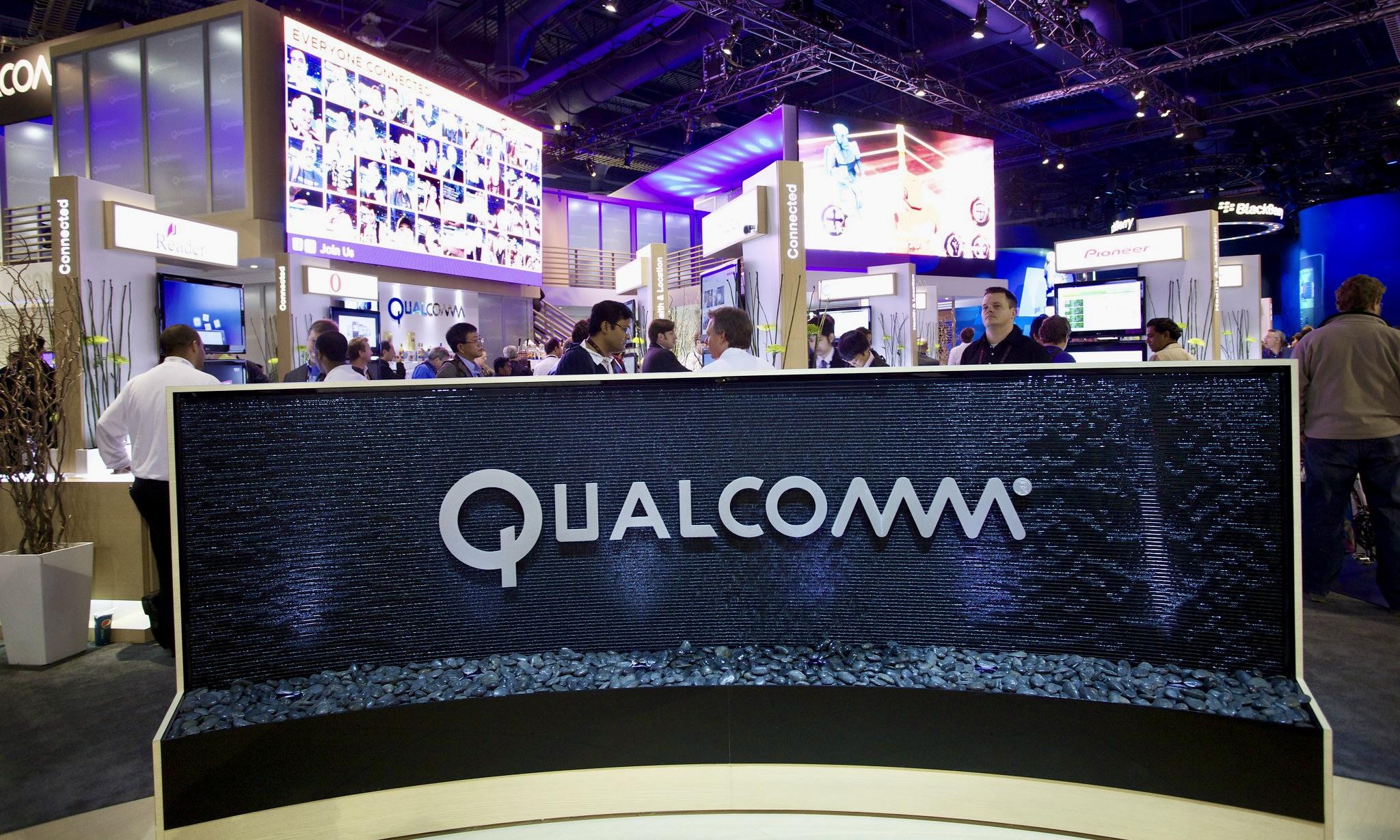
Qualcomm (NASDAQ: QCOM) shares dropped more than 4% in after-hours trading after the chipmaker issued a weaker-than-expected fiscal fourth-quarter profit forecast and warned that revenue from Apple-related products will decline faster than previously anticipated. Despite the near-term pressure, the company remains confident that its expanding AI data center and diversified chip businesses will offset the lost Apple revenue by fiscal 2027.
CEO Cristiano Amon said Qualcomm expects supply constraints to significantly reduce its share of components in Apple's next iPhone lineup, falling well below the company's earlier estimate of 20%. He added that Qualcomm will increase product prices starting September 1 to help restore historical profit margins, citing higher costs across the semiconductor supply chain.
The company is accelerating its transition away from smartphone dependence. Chief Financial Officer Akash Palkhiwala said growth from non-handset businesses is expected to fully replace Apple-related revenue by fiscal 2027. Qualcomm is targeting $5 billion in AI data center revenue by fiscal 2027 and aims to grow that figure to $15 billion by 2029.
Amon also revealed that Qualcomm has started wafer production for two custom AI chips designed for hyperscale customers, with revenue expected to begin in the December quarter. In addition, the company completed the tape-out of its first-generation high-bandwidth compute chip ahead of its planned mid-2027 launch.
For the fiscal fourth quarter, Qualcomm projected adjusted earnings of $2.05 to $2.25 per share, below Wall Street's consensus estimate of $2.36. Revenue is expected to range between $9.7 billion and $10.5 billion, compared with analysts' forecast of $10.02 billion.
Although third-quarter handset revenue declined 20% year over year to $5.09 billion, it still exceeded analyst expectations. Total third-quarter revenue slipped 4% to $9.95 billion, beating estimates of $9.67 billion, while adjusted earnings of $2.21 per share narrowly missed forecasts. Qualcomm noted that improving Android demand was offset by consumers shifting toward lower-priced premium smartphones and older devices, creating additional pressure on margins.







