


 X Challenges Australia’s Expanded Social Media Ban Enforcement Powers
  Rio Tinto Stock Jumps as Strong Earnings, Higher Dividend and AI Metal Demand Boost Outlook
  TeamViewer Shares Fall Despite Profit Growth as ARR and Customer Base Decline
  Meta CEO Zuckerberg Opposes U.S. Ban on Chinese AI Models, Warns Against Overregulation
  Nvidia Invests $1 Billion in Naver as South Korea AI Data Center Expansion Gains Momentum
  SpaceX Wins $1.6 Billion U.S. Space Force Launch Contracts for Falcon 9 Missions Through 2027
  AMD Unveils Helios AI Servers to Challenge Nvidia as OpenAI Adopts New Platform
  Samsung Q2 Profit Surges on AI Memory Chip Demand, Forecasts Strong Second Half
  Sika Raises 2026 Sales Outlook After Strong First-Half Results Beat Expectations
  ASML, Applied Materials Slide as China DUV Chip Equipment Breakthrough Sparks Market Jitters
  SpaceX Stock Slump Wipes Out Nearly $700 Billion From Elon Musk’s Paper Wealth
  CXMT IPO Debut in Shanghai Puts $85.5 Billion Chipmaker in Spotlight
  Barclays Q2 Profit Beats Forecasts as Investment Banking Strength Offsets Higher Costs
  OpenAI Revenue Surges After GPT-5.6 Launch as IPO Expectations Grow
  Johnson & Johnson Proposes $5.5 Billion Talc Settlement to Resolve U.S. Ovarian Cancer Lawsuits
  Oracle Stock Rises After Winning Up to $6.99 Billion U.S. Defense Software Contract
  Exosens H1 Profit Beats Forecasts as Defense Demand Drives Growth


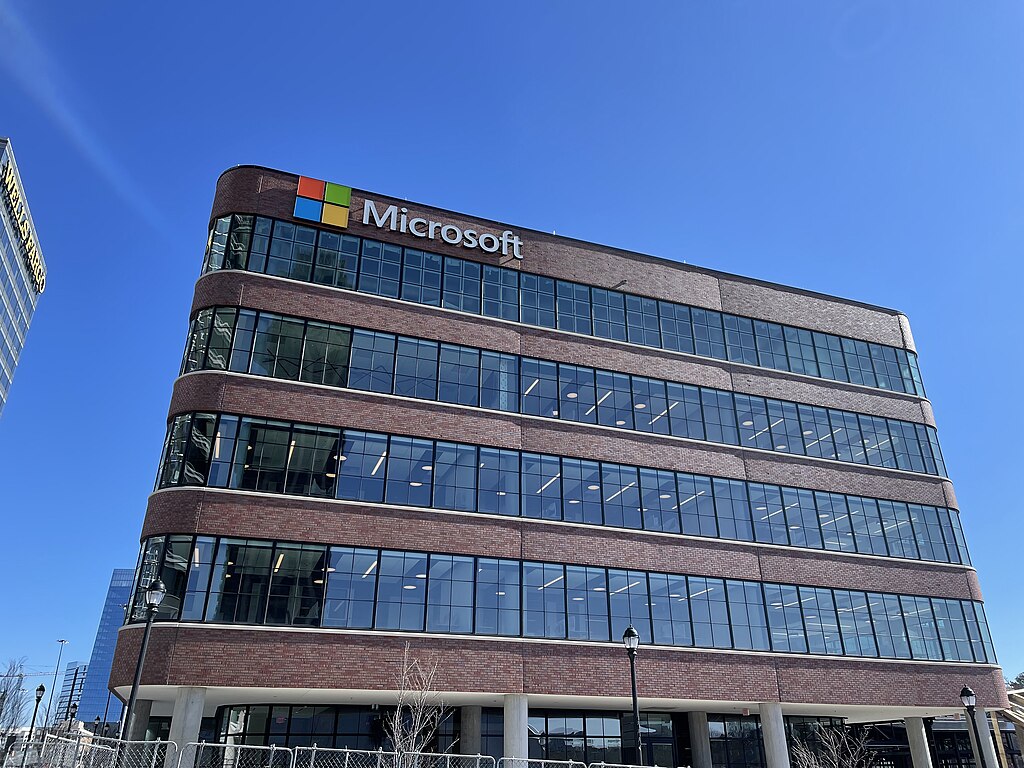
Microsoft (NASDAQ: MSFT) shares surged more than 7% in after-hours trading on Wednesday after the technology giant reported stronger-than-expected quarterly earnings, delivered robust Azure cloud growth, and reaffirmed its artificial intelligence infrastructure spending plans.
The Redmond, Washington-based company posted adjusted earnings of $4.74 per share on $90.01 billion in revenue for its fiscal fourth quarter, comfortably beating Wall Street estimates of $4.24 per share on $87.61 billion in revenue.
A major highlight was Azure, Microsoft’s cloud computing platform, which recorded 43% year-over-year revenue growth, surpassing analyst expectations of roughly 40%. Overall Microsoft Cloud revenue climbed 27% to $59.3 billion, reflecting sustained demand for AI-powered cloud services.
Investors closely watched Microsoft’s capital expenditure outlook amid growing concerns over the massive investments technology companies are making in AI infrastructure. Unlike Alphabet, which recently raised its spending forecast, Microsoft maintained its calendar 2026 investment expectations. The company said its projected capital expenditures remain comparable after accounting for changes in the estimated useful life of data centers and office buildings.
Capital expenditures reached $41 billion during the quarter, up 70% from a year earlier but slightly below analyst estimates. About two-thirds of the spending was allocated to short-lived assets such as CPUs and GPUs to support growing cloud and AI demand. CEO Satya Nadella said Microsoft added 31 new data centers across five continents during the quarter, bringing this year’s total to 88.
Microsoft also issued upbeat guidance for the current quarter, forecasting revenue between $89.85 billion and $90.95 billion.
The company achieved another milestone as annual Azure revenue exceeded $100 billion for the first time, while Microsoft 365 Copilot surpassed 30 million paid seats, highlighting accelerating enterprise adoption of its AI products.
Analysts said the results demonstrate that Microsoft’s heavy AI investments are increasingly translating into higher revenue, expanding cloud demand, and stronger commercialization of artificial intelligence, reinforcing investor confidence in the company’s long-term AI growth strategy.







