


 U.S. Stock Futures Slide as Iran Conflict and Inflation Fears Rattle Wall Street
  Iran War Fears Send Oil Prices Surging as U.S. Weighs Ground Troop Deployment
  Qatar's Economy Under Pressure: How Regional Conflict Could Reshape Global Investment in 2026
  Gold Prices Drop Amid Inflation Fears and U.S.-Iran Escalation
  U.S.-Iran War Escalates: Marines Deploy, Strait of Hormuz Closure Drives Global Oil Crisis
  Trump Issues 48-Hour Ultimatum to Iran Over Strait of Hormuz, Threatens Power Grid Strikes
  China Holds Benchmark Loan Prime Rate Steady for Tenth Consecutive Month
  Goldman Sachs Delays Bank of England Rate Cut Forecast Amid Middle East Inflation Risks
  Dollar Weakens as Middle East War Reshapes Global Rate Expectations
  Gold Prices Extend Losing Streak, On Track for Worst Weekly Loss Since 1983
  Japan Eyes Reduction in Inflation-Linked Bond Buybacks Amid Surging Investor Demand
  U.S. Markets Post Fourth Straight Weekly Loss Amid Middle East Escalation
  Asian Currencies Slide as Oil Prices Surge Amid U.S.-Israel-Iran Conflict
  Iran Threatens Gulf Infrastructure as U.S.-Israel War Enters Critical 48-Hour Window
  J.P. Morgan Now Expects Two ECB Rate Hikes Amid Inflation Pressures
  Trump Signals End of U.S. Military Campaign Against Iran as Markets Rally


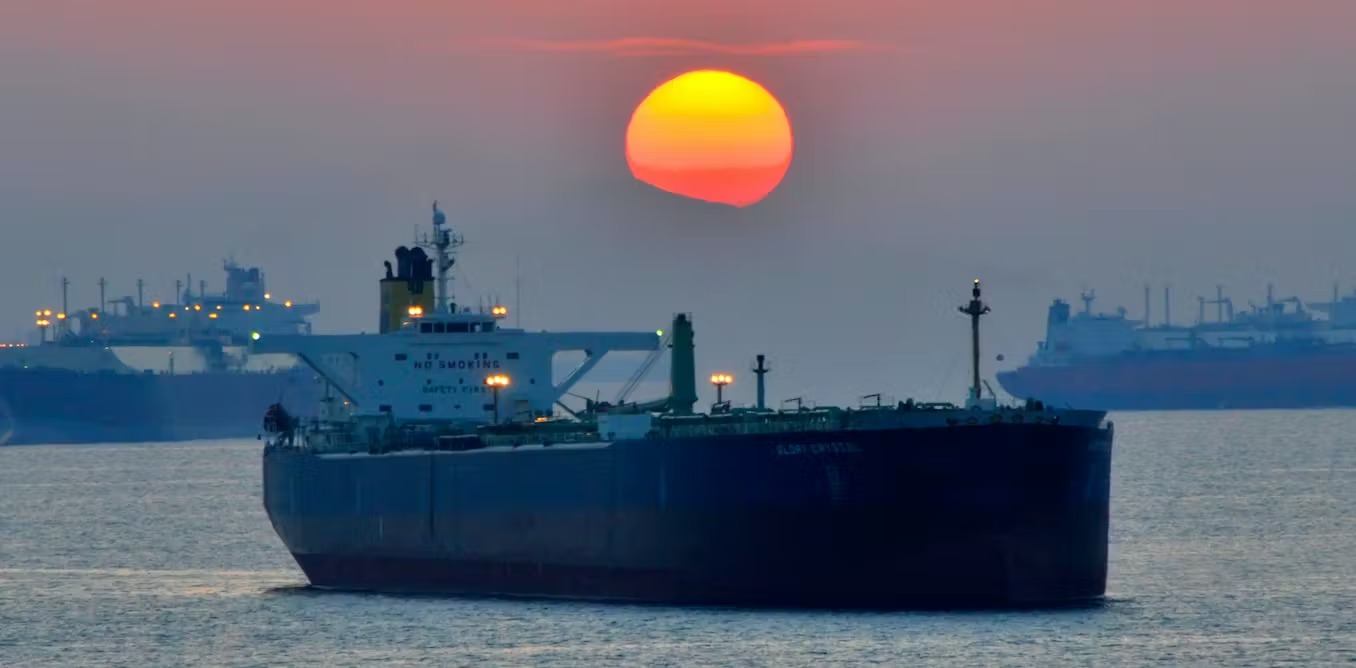
Financial markets across the globe are experiencing significant turbulence as the ongoing Middle East conflict raises serious concerns about prolonged disruptions to energy supplies. Wall Street posted sharp losses on Friday, while Asian markets in Seoul, Shanghai, Tokyo, and Sydney followed suit Monday morning, dragging the MSCI global equities index to its lowest level since November.
Tensions intensified after Iran threatened to target energy and water infrastructure throughout the Gulf region if U.S. President Donald Trump proceeds with his threat to strike Iran's electrical grid. The warning rattled investor confidence and triggered a broad flight to safety across asset classes.
Strategists and investment managers worldwide are now reassessing their portfolios. Many are moving toward defensive positions, raising cash balances, and reducing exposure to riskier assets. Analysts note that sovereign wealth funds in the Middle East — major backers of global AI investments — may begin liquidating holdings to offset weakening regional economic growth.
The bond market is also flashing warning signs. Treasury and European yields jumped as investors began pricing in a more persistent stagflationary environment — a challenging combination of slowing growth and rising inflation that undermines the traditional protective role of bonds in a diversified portfolio. Technology stocks and long-duration assets face particular pressure as higher yields compress valuations, while cyclical sectors struggle under the weight of elevated oil prices.
Crude oil has already surged more than 80% this year. Any further escalation — including a potential closure of the Strait of Hormuz or retaliatory strikes on energy infrastructure — could send prices even higher. Analysts warn that while companies and governments currently maintain reserves, prolonged conflict will eventually erode those stockpiles, deepening economic risks globally.
Investors remain cautious, with many signaling they will hold off on re-entering markets until clearer signs of regional stability emerge.













