


 Yindjibarndi Appeals Fortescue Mining Compensation Ruling
  Meta, U.S. States Discuss Settlement in Teen Addiction Trial
  PayPal Shares Sink as $50 Billion Takeover Bid Collapses
  U.S. Probes Apex Logistics Over Nvidia AI Chip Shipments to China
  Samsung Shares Tumble 8% as $79 Billion Return Plan Disappoints
  Adidas, Puma Shares Fall as Dick’s Sporting Goods Cuts Outlook
  Trump Administration Plans New Drug Pricing Deals With Biotech Firms
  New Zealand Labour Backs Social Media Ban for Under-16s
  Mercer International Stock Surges 45% on C$20 Million Canada Funding
  OpenAI Data Center Chief Chris Malone Exits Ahead of Planned 2027 Listing
  Nvidia Revenue Soars 106% as AI Demand Hits ‘Inflection Point’
  Trump Buys SpaceX Shares After Record IPO
  HP Stock Drops 9% Despite Q3 Earnings Beat and Raised 2026 Outlook
  Pinterest Stock Falls as CFO Julia Brau Donnelly Resigns
  Amazon Secures 200 MW Wind Power Deals in Sweden
  Google Changes EU Spam Policy Amid Antitrust Scrutiny


 Add as a preferred source on Google
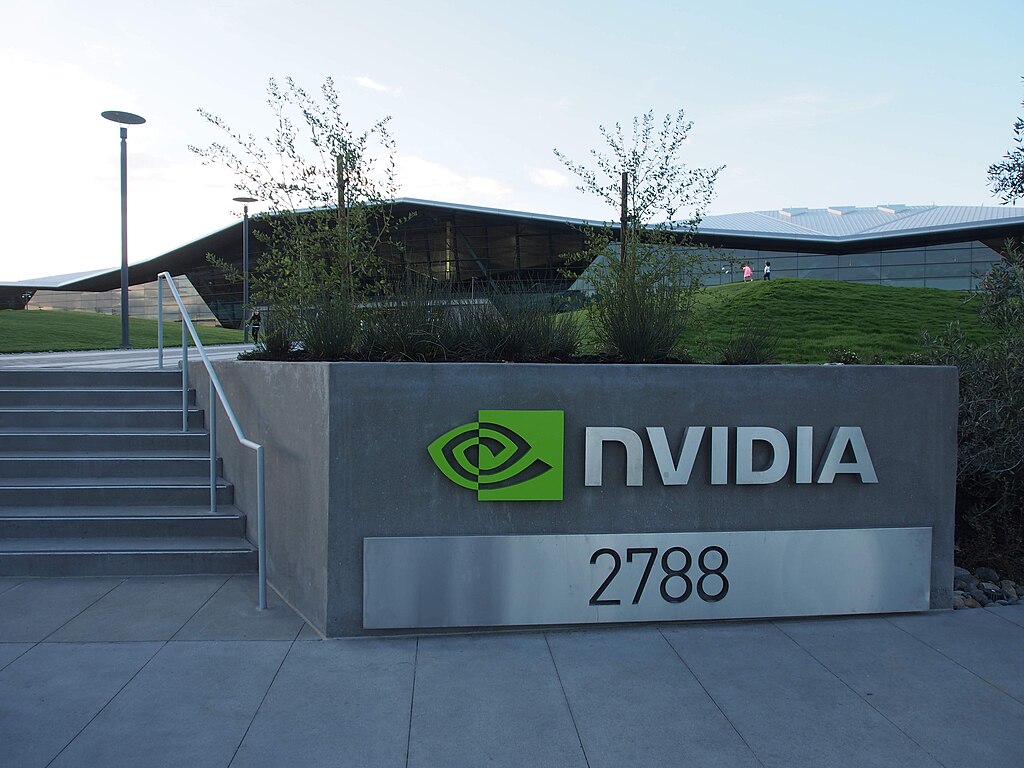
NVIDIA could be forced to redesign its next-generation Feynman artificial intelligence chip platform as contract manufacturing giant TSMC struggles to keep pace with surging global demand. According to a report from Taiwan's Economic Daily News, TSMC's cutting-edge 2-nanometer production lines are completely booked through 2028 and possibly beyond, creating significant bottlenecks for AI industry heavyweights like NVIDIA and Meta.
The overwhelming demand for TSMC's advanced semiconductor manufacturing capabilities stems from an unprecedented acceleration in AI development over the past three years. With its most advanced fabrication nodes fully allocated, TSMC is also anticipated to raise its pricing, reflecting the extreme supply-demand imbalance now defining the global chip market.
NVIDIA's Feynman platform, first unveiled in 2025, represents the company's most ambitious next-generation AI processing architecture and is targeted for a 2028 commercial release. Designed to succeed the upcoming Vera Rubin platform — which is expected to begin shipping later in 2025 — Feynman was engineered to push AI computing performance to new heights. However, constrained access to TSMC's 2nm manufacturing process could now compel NVIDIA's engineers to rethink the platform's chip architecture entirely to accommodate available production capacity.
This development highlights a growing tension at the heart of the AI hardware race: chip designers are innovating faster than the world's most advanced foundries can manufacture. TSMC, widely regarded as the backbone of global semiconductor production, continues to face extraordinary pressure as AI investment from major tech companies shows no signs of slowing down.
For investors and industry observers, NVIDIA's potential redesign of Feynman underscores both the extraordinary pace of AI-driven chip development and the real-world manufacturing constraints that even the most dominant players in the semiconductor ecosystem must navigate carefully to stay competitive.







