


 Japan Services Producer Prices Rise 3.2% in June, Supporting BOJ Rate Hike Expectations
  Asian Markets Rise as Oil Prices Fall Ahead of Fed, BOE, BOJ Meetings
  BOJ Seen Holding Rates at 1% While Keeping Inflation Risk Warning
  Japan CPI Rises in June, but Core Inflation Stays Below BOJ’s 2% Target
  Japan Manufacturing Growth Holds Strong in July Despite Middle East Uncertainty
  Europe Economy Faces Recession Risk as Energy Costs and Weak Manufacturing Weigh on Growth
  US-Mexico USMCA Talks Advance as Auto Rules Remain Major Sticking Point
  Japan’s Nikkei Slides Over 2% as Alphabet Selloff Sparks AI Spending Concerns
  Brent Oil Holds Above $100 as Red Sea Attacks, Iran Conflict Threaten Global Supply
  Iran Rejects U.S.-Backed Ceasefire as Trump Escalates Military Threats, Oil Tops $100
  Trump Administration Imposes New Forced Labor Tariffs on 60 Trading Partners
  Trump Threatens Iran With 'Major Military Punishment' as Red Sea Attacks Push Oil Above $100
  Singapore Central Bank’s Exchange Rate Policy Explained: Why MAS Uses the S$NEER Instead of Interest Rates
  Oil Prices Head for Weekly Surge as Red Sea Attacks and Kazakhstan Supply Cuts Raise Disruption Fears
  Canada Opens Gordie Howe Bridge Without U.S. Officials as Trump Tariff Tensions Persist
  Wall Street Ends Mixed as Fed Decision, Earnings and Tariffs Keep Investors on Edge
  European Stocks Flat as Oil Tops $100, Trump Tariffs Fuel Inflation Fears


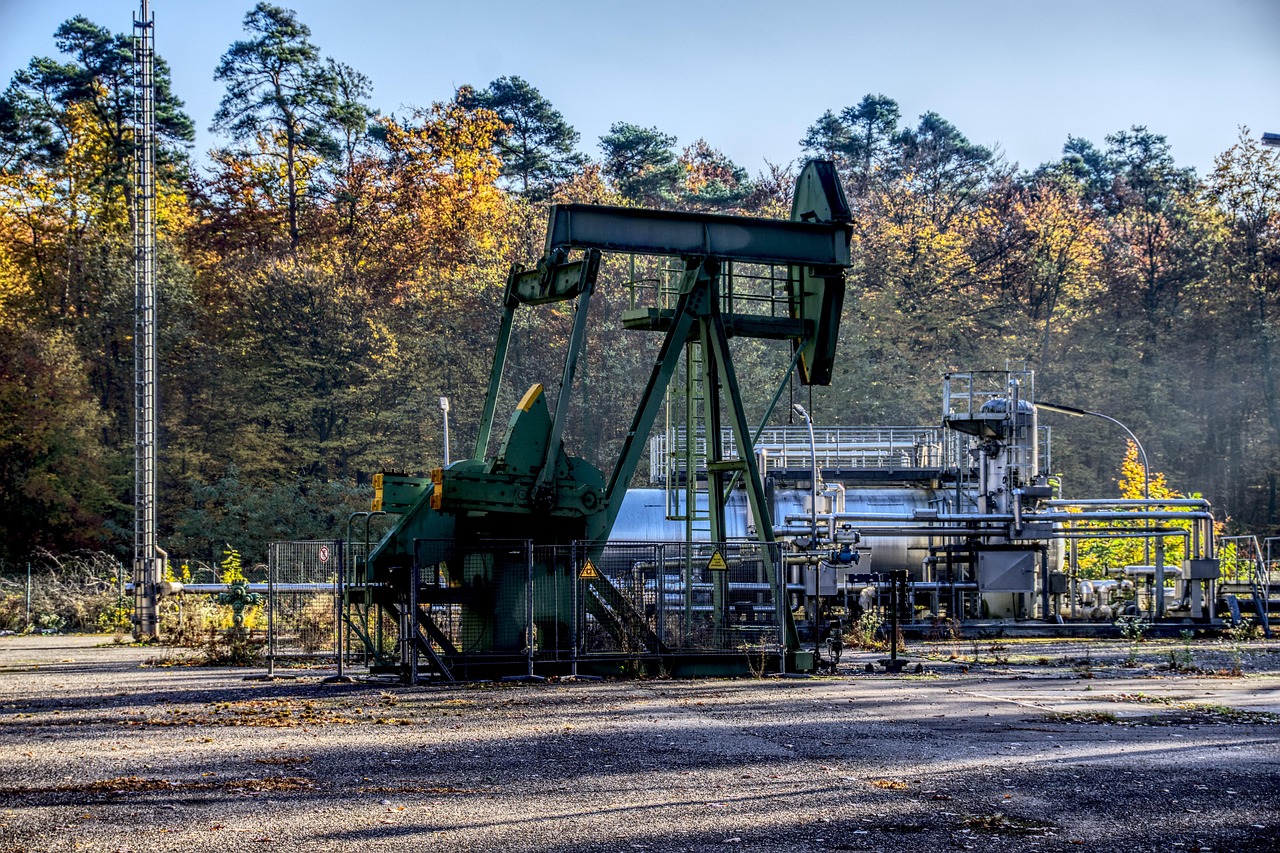
Oil prices fell sharply on Monday after the United States and Iran paused military strikes over the weekend, prompting traders to unwind the geopolitical risk premium that had pushed crude to multi-month highs.
As of 20:19 ET (00:19 GMT), Brent crude futures dropped 5.5% to $91.44 per barrel after briefly falling below $90 earlier in the session. U.S. West Texas Intermediate (WTI) crude declined 3.1% to $89.31 per barrel. The retreat followed a strong rally last week when Brent briefly touched the $100 mark as conflict expanded beyond the Strait of Hormuz into the Red Sea, raising concerns over global oil supplies.
Market sentiment improved after Washington suspended its military campaign against Iran following 13 consecutive nights of strikes, signaling an opportunity for diplomacy. Tehran responded by indicating it would halt retaliatory attacks as long as the U.S. maintained its pause, although both nations warned they remain prepared to resume military action if negotiations fail.
Investors also welcomed reports that China is attempting to revive diplomatic talks between the U.S. and Iran, boosting expectations that tensions could shift away from military confrontation. Analysts said these developments encouraged traders to reduce the geopolitical premium that had been built into crude prices during recent weeks.
Despite the sharp decline, concerns over oil supply remain. Shipping activity through the Strait of Hormuz slowed over the weekend, while traffic in the Bab el-Mandeb Strait also remained limited following Houthi attacks on Saudi oil infrastructure. These key shipping routes are vital for global energy exports, keeping traders alert to potential disruptions.
ANZ analysts noted that the market has so far managed supply risks through weaker Chinese crude demand, strategic petroleum reserve releases, and alternative export routes that allow Saudi oil to bypass the Strait of Hormuz. However, they cautioned that these measures may not provide lasting relief as emergency stockpiles shrink, commercial inventories tighten, and shipping risks in the Middle East persist.
If regional tensions escalate again or critical shipping lanes face further disruptions, oil prices could quickly regain upward momentum despite the current diplomatic optimism.







