


 Trump Signals More Iran Strikes While Leaving Door Open to Nuclear Deal
  Global Leaders Push Back as Trump Imposes New Forced Labor Tariffs
  Canada Vows Trade Fight as Trump Imposes 50% Tariffs
  Japan Manufacturing Growth Holds Strong in July Despite Middle East Uncertainty
  Japan’s Nikkei Slides Over 2% as Alphabet Selloff Sparks AI Spending Concerns
  Trump Administration Imposes New Forced Labor Tariffs on 60 Trading Partners
  Gold Price Holds Above $4,130 as Fed Rate Outlook and Middle East Tensions Support Safe-Haven Demand
  Oil Prices Head for Weekly Surge as Red Sea Attacks and Kazakhstan Supply Cuts Raise Disruption Fears
  Brent Oil Holds Above $100 as Red Sea Attacks, Iran Conflict Threaten Global Supply
  Trump Education Department Removes Disparate Impact Rules, Sparking Civil Rights Backlash
  US Dollar Pauses Rally as Middle East Tensions Support Safe-Haven Demand
  Trump Threatens Iran With 'Major Military Punishment' as Red Sea Attacks Push Oil Above $100
  South Korea Q2 GDP Beats Forecasts as AI Chip Exports Drive Growth
  Nasdaq Drops as AI Earnings, Oil Surge and Middle East Tensions Weigh on Wall Street
  Japan CPI Rises in June, but Core Inflation Stays Below BOJ’s 2% Target
  Maduro U.S. Drug Trafficking Trial Set for June 2027 as Immunity Defense Looms
  Amish Shah Wins Arizona Democratic Primary in Key U.S. House Race


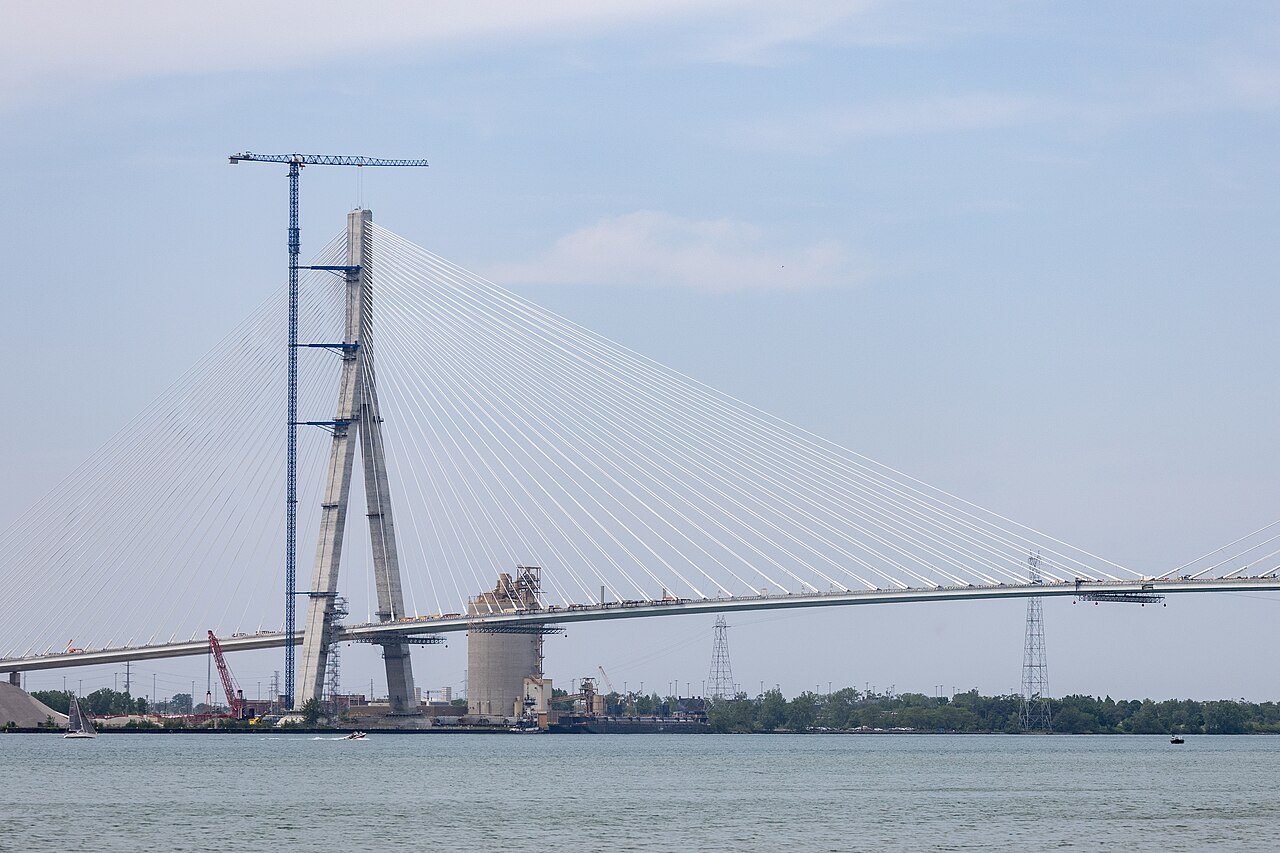
Canada officially marked the opening of the Gordie Howe International Bridge on Friday with a ceremony that excluded U.S. officials, highlighting growing tensions between Ottawa and Washington over trade, bridge toll revenues, and fresh tariff threats from U.S. President Donald Trump.
The C$4.7 billion ($4.7 billion Canadian) bridge, which connects Windsor, Ontario, with Detroit, Michigan, is scheduled to open to traffic on Monday. Canadian leaders celebrated the milestone with members of hockey legend Gordie Howe’s family and invited guests, while attendees were encouraged to wear red and white to showcase Canadian pride. Guests were not allowed to cross into the United States during the event.
The original cross-border ribbon-cutting ceremony was canceled as disagreements intensified over toll-sharing and Trump's latest proposal to impose 50% tariffs on Canadian goods. Ontario Premier Doug Ford acknowledged the strained relationship but emphasized the importance of cooperation between the neighboring countries.
“Canadians and Americans are better off when we work together instead of standing apart,” Ford said, adding that Ontario would continue defending its interests while strengthening economic ties.
The bridge, whose construction began in 2018, is designed to ease congestion at the Ambassador Bridge and improve one of North America's busiest trade corridors. Canadian officials estimate that about C$274 million in goods crosses between Windsor and Detroit each day.
Trump responded Friday by saying he was “fine” with Canada’s decision to exclude U.S. officials. In a Truth Social post, he claimed the original bridge agreement had been renegotiated, asserting the United States would now receive 50% of future profits.
Canadian Prime Minister Mark Carney disputed that interpretation, maintaining that Canada will not share toll revenues until the project’s debt has been repaid, citing the original 2012 agreement. However, a draft agreement released earlier this week indicates both countries would split net bridge-related revenues during the first 15 years, creating uncertainty over how the arrangement will ultimately be implemented.
Trade experts say the conflicting interpretations allow both governments to claim success while avoiding a direct confrontation. Analysts also noted that despite the dispute, opening the bridge remains a major achievement, reinforcing the critical trade relationship between Canada and the United States amid ongoing economic and political tensions.







