


 Wall Street Ends Mixed as Fed Decision, Earnings and Tariffs Keep Investors on Edge
  Iran Rejects U.S.-Backed Ceasefire as Trump Escalates Military Threats, Oil Tops $100
  European Stocks Flat as Oil Tops $100, Trump Tariffs Fuel Inflation Fears
  Gold Price Holds Above $4,130 as Fed Rate Outlook and Middle East Tensions Support Safe-Haven Demand
  Trump Says No Decision on Major Iran Strikes as U.S.-Tehran Talks Intensify
  Houthi Attacks on Saudi Oil Sites Raise Fears of Wider Middle East Conflict Despite U.S. Strike Pause
  Asian Markets Rise as Oil Prices Fall Ahead of Fed, BOE, BOJ Meetings
  Europe Economy Faces Recession Risk as Energy Costs and Weak Manufacturing Weigh on Growth
  Oil Prices Pull Back After Two-Week Rally as Middle East Supply Risks Persist
  Japan’s Nikkei Slides Over 2% as Alphabet Selloff Sparks AI Spending Concerns
  Oil Prices Plunge as U.S.-Iran Pause Eases Middle East Supply Fears
  Gold Price Holds Weekly Gain as Middle East Tensions and Fed Rate Outlook Drive Market
  Global Leaders Push Back as Trump Imposes New Forced Labor Tariffs
  Singapore Central Bank’s Exchange Rate Policy Explained: Why MAS Uses the S$NEER Instead of Interest Rates
  Trump Threatens Iran With 'Major Military Punishment' as Red Sea Attacks Push Oil Above $100
  Japan Services Producer Prices Rise 3.2% in June, Supporting BOJ Rate Hike Expectations
  Brent Oil Holds Above $100 as Red Sea Attacks, Iran Conflict Threaten Global Supply


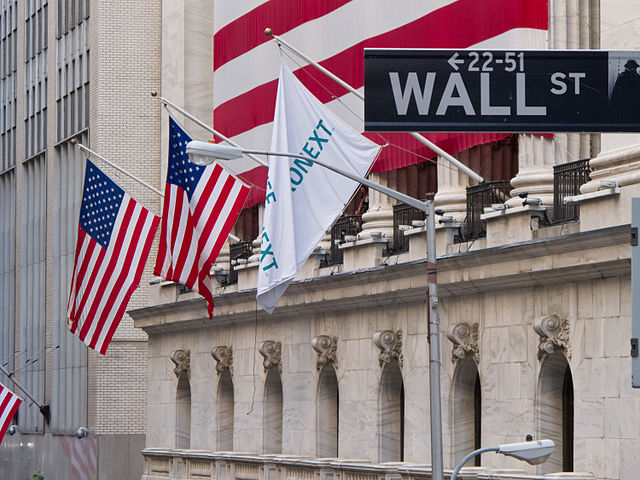
U.S. stock index futures surged Sunday night as easing geopolitical tensions in the Middle East pushed oil prices sharply lower, boosting investor sentiment ahead of a critical week featuring the Federal Reserve's policy meeting, major technology earnings, and key U.S. economic data.
As of 8:43 p.m. ET, S&P 500 Futures climbed 0.7% to 7,499.25, Nasdaq 100 Futures jumped 1.3% to 28,635.75, and Dow Jones Futures gained 0.6% to 52,410. Despite the upbeat start to the week, Wall Street closed Friday with mixed results, and all three major indexes ended the previous week in negative territory. The Nasdaq Composite fell roughly 2.1%, while the S&P 500 and Dow Jones Industrial Average declined 0.6% and 0.4%, respectively.
Investor confidence improved after President Donald Trump paused U.S. military strikes against Iran late Friday, ending a 13-day bombing campaign to allow diplomatic negotiations to move forward. Over the weekend, neither the U.S. nor Iran launched new attacks, easing concerns about a broader regional conflict.
The temporary ceasefire triggered a sharp decline in oil prices, with Brent crude and U.S. crude both dropping more than 5% during Asian trading. Lower energy prices reduced fears of renewed inflationary pressure, offering markets optimism that the Federal Reserve's policy path may become less complicated.
Markets are now focused on the Fed's two-day policy meeting, which concludes Wednesday. While policymakers are widely expected to keep interest rates unchanged, investors will closely monitor Fed Chair Kevin Warsh's remarks for signals on future rate cuts and the central bank's inflation outlook.
The week also features earnings reports from major technology companies, including Apple, Microsoft, Amazon, and Meta Platforms. Investors will be watching for updates on artificial intelligence investments, cloud computing demand, and capital spending after concerns over rising AI-related costs recently pressured tech stocks.
Additional market-moving events include the release of second-quarter U.S. GDP figures and the Personal Consumption Expenditures (PCE) Price Index, the Federal Reserve's preferred inflation measure, both of which could influence expectations for future monetary policy.







