


 European Stocks Edge Higher as Strong Earnings Offset Inflation and Fed Rate Concerns
  Gold Price Rallies as Fed Holds Rates, Middle East Tensions Boost Safe-Haven Demand
  Asian Stocks Tumble as Tech Selloff Deepens Ahead of Fed Decision, Big Tech Earnings
  Hong Kong Home Prices Extend Winning Streak With 13th Straight Monthly Gain in June
  India GDP Growth Forecast Cut as Weak Investment, High Oil Prices Weigh on Economy
  Brazil Challenges Trump Tariffs at WTO Over Trade Dispute
  Oil Prices Extend Slide as U.S.-Iran Talks Ease Middle East Supply Fears
  Eurozone Bond Yields Fall as Oil Slump Eases Inflation Fears Ahead of Central Bank Meetings
  Japan PM Sanae Takaichi Plans Temporary Food Tax Cut to Ease Inflation Pressure
  Asian Stocks Sink as AI Spending Fears and China Chip Advances Hit Tech Shares
  RBA Signals More Rate Hikes Possible as Australia Battles Stubborn Inflation
  Asian Stocks Rebound as SK Hynix Earnings Calm AI Fears, Oil Surges Ahead of Fed Decision
  Fed Holds Rates Steady as US Dollar Slides, Euro and Yen Gain
  European Natural Gas Prices Sink as Middle East Tensions Ease, Oil Slumps
  Oil Prices Jump 4% as Iran Missile Strike Revives Middle East Supply Fears
  US Stocks Slide as Fed Holds Rates, AI Chip Selloff Deepens and Oil Prices Surge
  Gold Price Slips as Stronger Dollar, Fed Rate Decision Weigh on Market


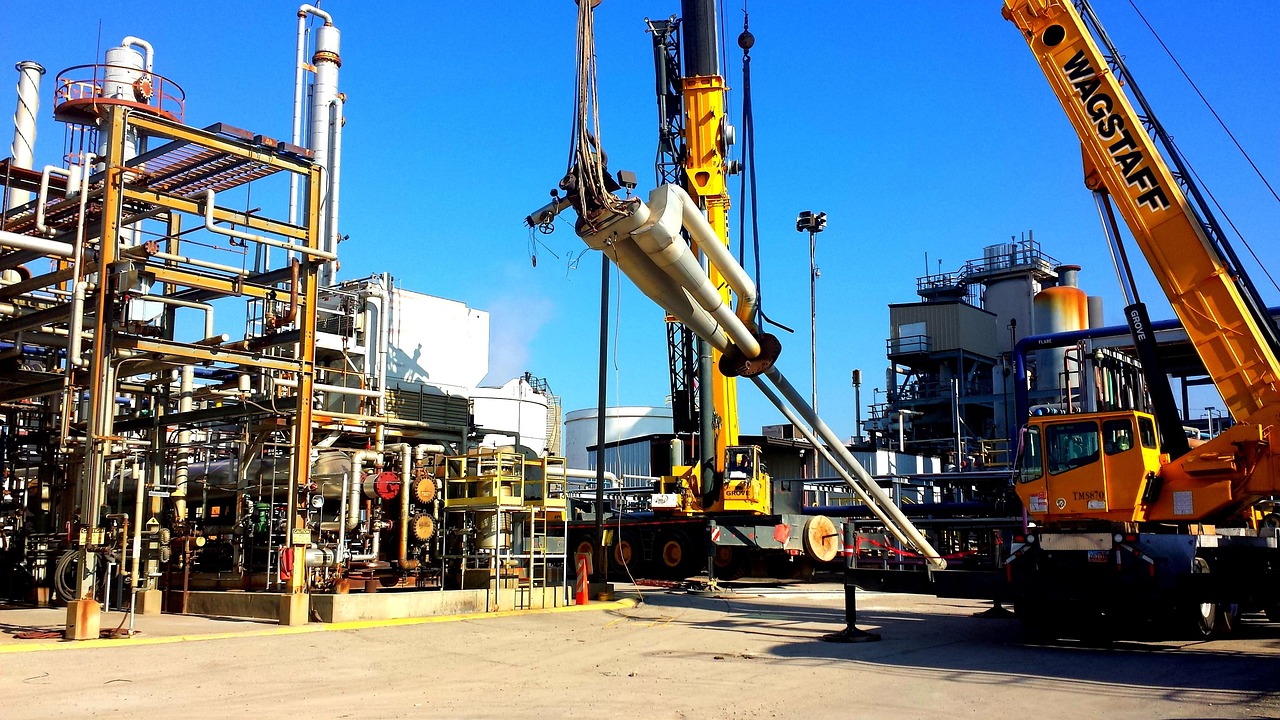
Oil prices rebounded sharply on Wednesday after the United States said it intercepted a surprise Iranian missile attack and President Donald Trump pledged a forceful response, reigniting concerns over potential supply disruptions in the Middle East. The rally also gained support from signs of tightening U.S. crude inventories and speculation that OPEC+ could delay additional production increases.
Brent crude futures for October climbed 7.5% to $87.84 per barrel, while U.S. West Texas Intermediate (WTI) crude rose 6.5% to $87.82. The recovery followed a steep three-day selloff that had erased roughly 15% from both benchmarks.
The geopolitical tensions intensified after U.S. Central Command (CENTCOM) said Iran’s Islamic Revolutionary Guard Corps (IRGC) attempted a surprise missile strike on U.S. forces stationed in the Middle East. According to CENTCOM, all incoming missiles were intercepted. Trump later stated that the U.S. military had only minutes to respond and warned that Washington would retaliate by “hitting them hard.”
Separately, U.S. and Saudi forces carried out precision strikes against Iran-backed groups in Iraq that were allegedly preparing attacks on U.S. troops and Saudi energy infrastructure. Tehran denied involvement and criticized the accusations.
The renewed conflict dampened earlier optimism that diplomatic efforts between Washington and Tehran could ease regional tensions following Israeli Prime Minister Benjamin Netanyahu’s meeting with Trump. While Trump expressed hope for future talks, Iran denied seeking negotiations or a ceasefire.
Traders also remained focused on the security of key oil shipping routes. Maritime intelligence firm Kpler reported increased vessel traffic through the Strait of Hormuz and the Bab el-Mandeb Strait but cautioned that elevated transit levels do not indicate reduced geopolitical risk. The firm highlighted ongoing concerns surrounding shadow fleet operations, sanctioned vessels, and maritime security incidents.
Oil prices also found support after reports suggested OPEC+ is considering a three-month pause in planned production increases beginning in October. Meanwhile, the U.S. Energy Information Administration reported a larger-than-expected draw of 7.2 million barrels in commercial crude inventories for the week ended July 24, compared with expectations for a 0.7 million-barrel build. Strategic Petroleum Reserve holdings fell to 307.7 million barrels, their lowest level since March 1983, while inventories at the Cushing, Oklahoma delivery hub also declined, reinforcing expectations of a tighter oil market.







