


 BOJ Expected to Hold Rates Steady While Signaling More Hikes Ahead
  Canada Opens Gordie Howe Bridge Without U.S. Officials as Trump Tariff Tensions Persist
  Asian Markets Rise as Oil Prices Fall Ahead of Fed, BOE, BOJ Meetings
  Brazil Challenges Trump Tariffs at WTO Over Trade Dispute
  Europe Economy Faces Recession Risk as Energy Costs and Weak Manufacturing Weigh on Growth
  Oil Prices Pull Back After Two-Week Rally as Middle East Supply Risks Persist
  European Natural Gas Prices Sink as Middle East Tensions Ease, Oil Slumps
  Asian Stocks Sink as AI Spending Fears and China Chip Advances Hit Tech Shares
  US Stock Futures Slip Ahead of Big Tech Earnings, Fed Decision as Nvidia Leads Chip Selloff
  Trump Says No Decision on Major Iran Strikes as U.S.-Tehran Talks Intensify
  Japan Services Producer Prices Rise 3.2% in June, Supporting BOJ Rate Hike Expectations
  US Dollar Posts Best Weekly Gain in Over a Month as Middle East Tensions Boost Safe-Haven Demand
  Dollar Holds One-Month High as Fed Rate Hike Bets Grow, Yen Remains Under Pressure
  Brent Oil Holds Above $100 as Red Sea Attacks, Iran Conflict Threaten Global Supply
  Houthi Attacks on Saudi Oil Sites Raise Fears of Wider Middle East Conflict Despite U.S. Strike Pause
  Oil Prices Plunge as U.S.-Iran Pause Eases Middle East Supply Fears
  Global Leaders Push Back as Trump Imposes New Forced Labor Tariffs


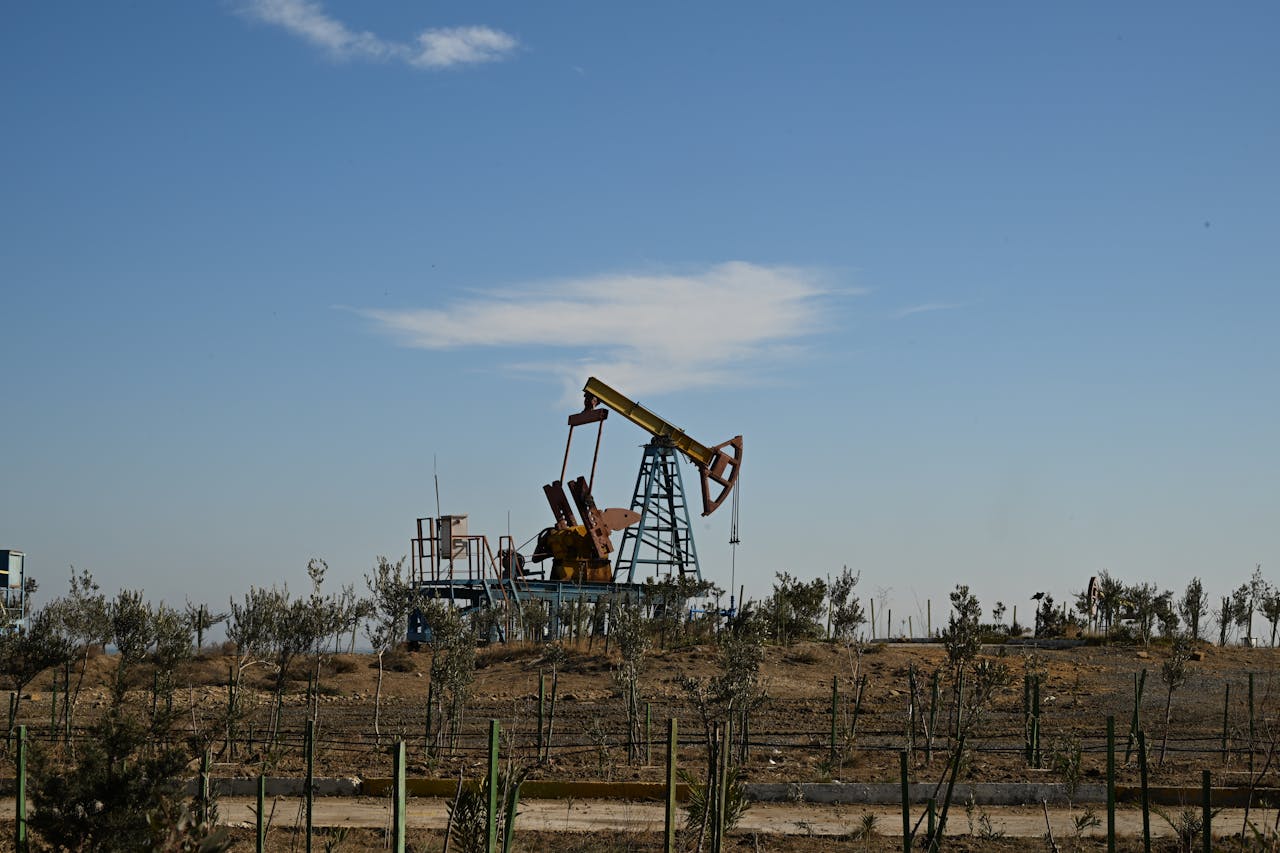
Oil prices continued to fall in Asian trading on Tuesday after suffering their steepest decline in months, as renewed optimism over U.S.-Iran diplomatic talks reduced concerns about disruptions to Middle East crude supplies. Investors trimmed geopolitical risk premiums following signs that tensions between the two countries may be easing.
Brent crude futures dropped 0.6% to $87.85 per barrel, while U.S. West Texas Intermediate (WTI) crude fell 0.8% to $81.96. The losses followed a dramatic decline of more than 9% in the previous session, reversing much of last week's rally that briefly pushed Brent above $100 per barrel.
Market sentiment improved after President Donald Trump said Washington and Tehran were engaged in negotiations aimed at ending the conflict. His decision to suspend additional U.S. military strikes and allow diplomatic efforts to continue fueled expectations that a broader regional conflict could be avoided. Iran also paused retaliatory actions, while reports suggested China has been supporting efforts to restart negotiations between both sides.
According to IG senior market analyst Tony Sycamore, the sharp selloff reflected growing confidence that diplomatic channels could reduce the risk of major disruptions to global oil supplies. However, he cautioned that investors remain cautious until there is stronger evidence of a lasting agreement.
Despite improving sentiment, supply concerns have not disappeared. Shipping activity through the Strait of Hormuz and the Bab el-Mandeb Strait remains well below normal, highlighting ongoing risks to global energy transportation. Traders are closely monitoring negotiations involving Iran and Oman aimed at restoring safe navigation through the Strait of Hormuz, a critical route that handles roughly 20% of the world's oil shipments. Any collapse in talks or renewed attacks on regional energy infrastructure could quickly revive the geopolitical premium in crude prices.
Meanwhile, global supply prospects received additional support after Kazakhstan's primary oil export terminal resumed operations following disruptions linked to Ukrainian drone attacks. The restart of tanker loadings at the Caspian Pipeline Consortium terminal near Russia's Novorossiysk port is expected to improve crude exports and further ease supply concerns.







