


 U.S. Futures Slide as Iran Denies Nuclear Talks with Washington
  Asian Currencies Stay Muted as Dollar Holds Firm Amid Iran Uncertainty
  Wall Street Slides as Iran War Uncertainty, Oil Surge, and AI Fears Rattle Markets
  Middle East War Rattles Global Markets as Oil Tops $100 and Dollar Surges
  Asian Markets Rally as Oil Prices Tumble and Middle East Peace Hopes Emerge
  Japan Eyes Oil Futures Intervention to Stabilize Yen Amid Middle East Crisis
  Oil Prices Rebound as Iran Denies U.S. Talks, Middle East Tensions Persist
  Australia's Inflation Eases in February but Core Pressures Persist
  Federal Reserve Balance Sheet Reduction: Brookings Research Outlines Possible Path Forward
  Iran-Israel Missile Strikes Continue Amid Mixed Signals on U.S.-Iran Diplomacy
  Bank of Japan Eyes April Rate Hike Despite Inflation Dip, ING Says
  Currency Markets Show Caution Amid U.S.-Iran Negotiations
  Suspicious Oil Market Trades Precede Trump's Iran Peace Post by 15 Minutes
  Trump Tariffs Show Minimal Economic Impact but Boost Federal Revenue, Study Finds
  Gold Prices Climb as Middle East Ceasefire Talks Stir Market Optimism


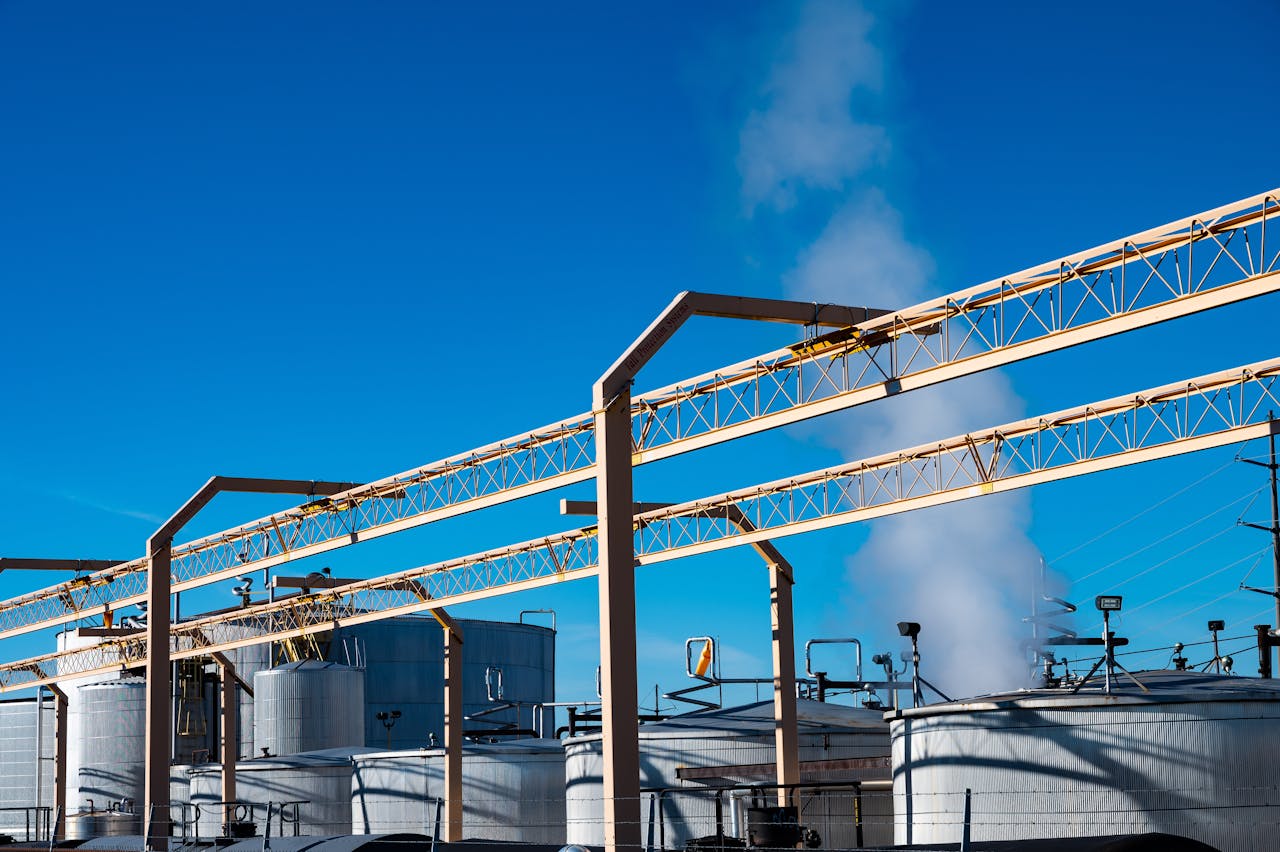
Oil prices climbed in early Asian trading on Monday, trimming last week’s losses as OPEC+ agreed to raise production at a slower pace starting in October, reflecting expectations of weaker global demand.
Brent crude rose 34 cents, or 0.5%, to $65.84 a barrel by 0047 GMT, while U.S. West Texas Intermediate (WTI) gained 30 cents, or 0.5%, to $62.17. Both benchmarks had dropped more than 2% on Friday following a disappointing U.S. jobs report, finishing the week down over 3%.
OPEC+, which includes the Organization of the Petroleum Exporting Countries and allies such as Russia, decided to increase production by only 137,000 barrels per day (bpd) from October. This is significantly below the monthly hikes of around 555,000 bpd in August and September and 411,000 bpd in June and July. Analysts said the smaller increase signals caution as the market faces the risk of oversupply heading into the winter.
“The oil market rebounded slightly, supported by relief over OPEC+’s modest output hike and a technical bounce following last week’s decline,” said Toshitaka Tazawa, analyst at Fujitomi Securities. He added that potential new U.S. sanctions on Russia could tighten supply, but downside pressure remains as OPEC+ continues gradual increases.
Meanwhile, geopolitical tensions escalated as Russia launched its largest air assault since the start of the war in Ukraine, striking central Kyiv and killing at least four people, including an infant. U.S. President Donald Trump said European leaders would meet with him this week to discuss the crisis, expressing optimism about a resolution despite growing violence.
The European Union remains committed to phasing out Russian oil imports by 2028, its energy chief confirmed, noting no pressure from Washington to accelerate the timeline.













