


 WTO Reform Talks Begin in Cameroon Amid Global Trade Tensions
  U.S. Stock Futures Steady as Iran Reviews U.S. Ceasefire Proposal
  U.S. Futures Slide as Iran Denies Nuclear Talks with Washington
  Bank of Japan Eyes April Rate Hike Despite Inflation Dip, ING Says
  ECB Eyes Rate Hike Amid Iran Conflict-Driven Energy Price Surge
  Wall Street Slides as Iran War Uncertainty, Oil Surge, and AI Fears Rattle Markets
  Oil Prices Climb as Iran Reviews U.S. Peace Proposal Amid Middle East Tensions
  Japan's Private Sector Growth Slows in March Amid Rising Costs and Middle East Uncertainty
  Bank of Japan Officials Signal Continued Interest Rate Hikes Amid Inflation Concerns
  U.S. Oil Prices Slide as Middle East Ceasefire Talks Spark Market Optimism
  Australia's Inflation Eases in February but Core Pressures Persist
  Gold Prices Climb as Middle East Ceasefire Talks Stir Market Optimism
  Asian Stocks Gain Amid Iran Conflict Uncertainty
  Iran-Israel Missile Strikes Continue Amid Mixed Signals on U.S.-Iran Diplomacy
  Federal Reserve Balance Sheet Reduction: Brookings Research Outlines Possible Path Forward
  Currency Markets Show Caution Amid U.S.-Iran Negotiations


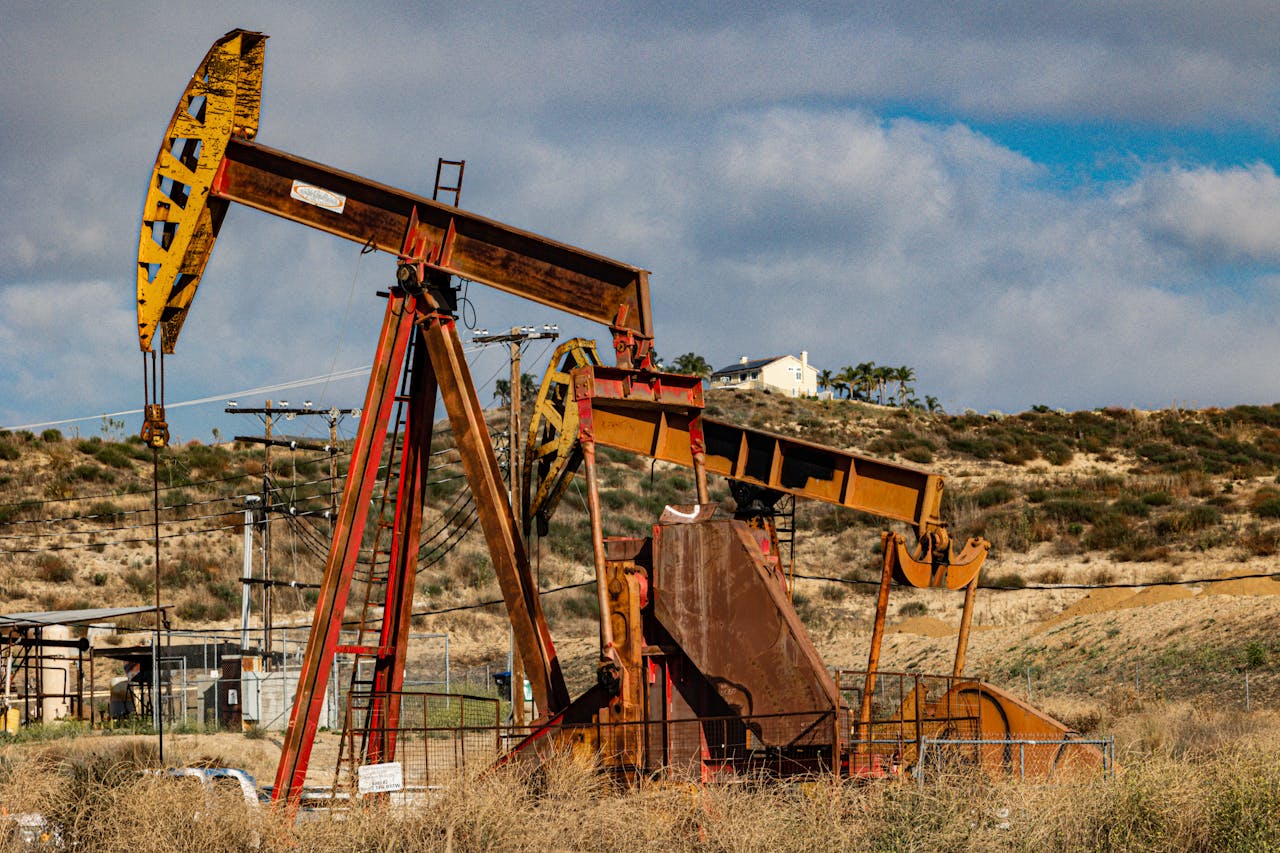
Oil prices steadied in early trade on Wednesday after two straight sessions of declines, as traders weighed the potential for a larger OPEC+ output hike against signs of tightening U.S. crude supplies. Brent crude futures for December delivery inched up 12 cents to $66.15 a barrel, while U.S. West Texas Intermediate (WTI) crude also rose 12 cents to $62.49.
Both benchmarks had suffered sharp drops earlier in the week, with Brent and WTI tumbling more than 3% on Monday—their steepest fall since August 1—followed by another decline of at least 1.5% on Tuesday.
Market sentiment was supported by expectations of shrinking U.S. crude inventories. According to estimates from the American Petroleum Institute (API), crude stocks fell by 3.67 million barrels for the week ending September 26. At the same time, gasoline inventories rose by 1.3 million barrels and distillate stocks increased by 3 million barrels. The drawdown in crude helped prevent deeper losses in oil prices.
Attention also remains on OPEC+ policy. Sources familiar with internal talks revealed that the group, which supplies nearly half of the world’s oil, may raise production by as much as 500,000 barrels per day (bpd) in November—triple October’s hike. Saudi Arabia, in particular, is said to be pushing to regain market share. Some members reportedly discussed increases ranging from 274,000 to 411,000 bpd, though others suggested the output boost could reach 500,000 bpd.
However, OPEC later clarified in a post on X (formerly Twitter) that media reports about a 500,000 bpd hike were “misleading,” adding uncertainty to the market.
Beyond oil, geopolitics also played a role in investor sentiment. In Washington, U.S. President Donald Trump secured Israeli Prime Minister Benjamin Netanyahu’s backing for a U.S.-sponsored Gaza peace proposal, though the response from Hamas remained unclear.
The combination of falling U.S. crude inventories, OPEC+ production signals, and geopolitical developments will likely continue to influence oil market direction in the coming weeks.













